Can UN chief's initiative kickstart resolution for Cyprus?
UN chief Antonio Guterres considers a resolution to the Cyprus issue to be vital for regional stability and has initiated a new diplomatic effort. What
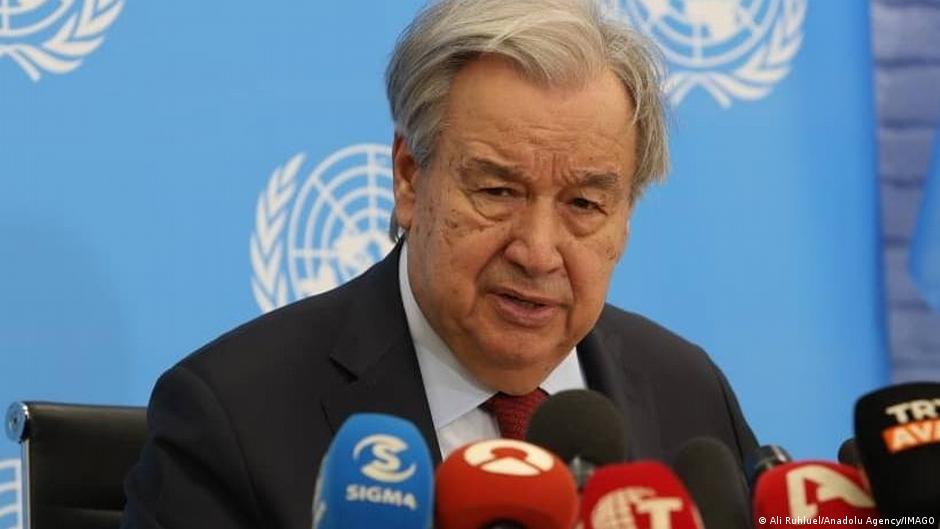
UN chief Antonio Guterres considers a resolution to the Cyprus issue to be vital for regional stability and has initiated a new diplomatic effort. What are the prospects for its success? UN Secretary-General Antonio Guterres last week became the first UN chief to visit Cyprus in 16 years. While there, he met the leaders of the island's two communities: Nikos Christodoulides, president of the Republic of Cyprus, and Tufan Erhurman, Turkish Cypriot leader and president of the self-declared Turkish Republic of Northern Cyprus, which is only recognized by Turkey. His aim in doing so was to determine whether the conditions exist for restarting negotiations on the Cyprus issue. Guterres (center) travelled to Cyprus to meet the leaders of the two Cypriot communities, Nikos Christodoulides (center right) and Tufan Erhurman (center left) Image: TRNC Presidency/Handout/Anadolu Agency/IMAGO Progress on talks has remained stalled since the collapse of negotiations in Crans-Montana, Switzerland, in 2017, when the United Nations made its most comprehensive effort to broker a reunification agreement for the island. Why now? So, why has Antonio Guterres decided to launch a new initiative now? According to diplomatic sources, the answer lies less in developments surrounding the Cyprus issue itself and more in the rapidly changing geopolitical landscape of the wider region. War in the Middle East, deteriorating relations between Israel and Turkey, and growing strategic competition in the Eastern Mediterranean have heightened UN concerns that the unresolved Cyprus conflict could undermine the stability of the entire region. Guterres said as much after the joint meeting on July 29.
"I do believe that a solution in Cyprus is absolutely crucial, not only to preserve the interests and the peace of the Cyprus people, but also as a factor of stability in what is becoming a dangerously unstable region," he said. Speaking to DW, Andreas Mavroyiannis, former permanent representative of the Republic of Cyprus to the United Nations and former chief negotiator of the Greek Cypriot side, shared the same concern. "The strengthening of relations between the Republic of Cyprus and Israel, combined with the deterioration of Israel–Turkey relations, increases the risk of the Cyprus issue being instrumentalized," he told DW. According to Mavroyiannis, the UN secretary-general fears that Cyprus could, instead of serving as a pillar of stability in the Middle East, become increasingly entangled in regional rivalries and emerge as one of the area's most vulnerable flashpoints. The European dimension The UN is not alone in viewing the Cyprus issue through the prism of regional security. The EU has also shown increasing interest in playing a more active political role in efforts to revive the peace process. A significant step came on July 7, when the European Commission appointed Executive Vice-President Raffaele Fitto as the EU's Special Representative for the Cyprus issue. His mandate is to support the UN-led process and strengthen the bloc's involvement in efforts to restart negotiations. A more active role for the EU has long been one of President Nikos Christodoulides' key policy objectives. During Cyprus' recent presidency of the Council of the European Union, he reminded fellow European leaders that he was "the president of the only EU member state that remains under illegal military occupation." President Nikos Christodoulides has long been keen for the EU to play a more active role in the search for a resolution to the Cyprus issue Image: Laia Ros/REUTERS The Cypriot government believes that the EU agenda could provide Ankara with incentives to contribute constructively to progress on the Cyprus issue.
 The BriefWire