Africa and the ICC: Why most countries are staying
A new wave of African withdrawals has swept through the International Criminal Court. Chad turned its back on the court after three junta-led states in
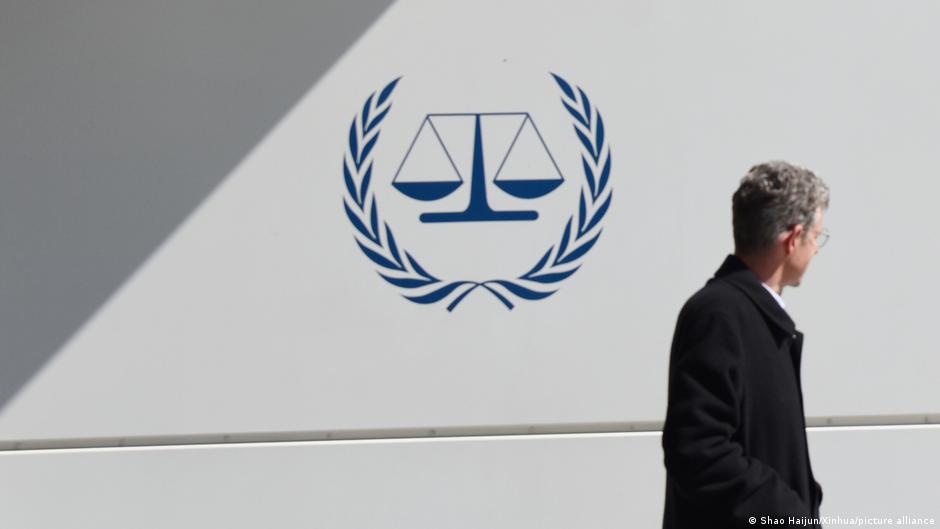
A new wave of African withdrawals has swept through the International Criminal Court. Chad turned its back on the court after three junta-led states in the Sahel exited. But most African countries still trust The Hague. The establishment of the International Criminal Court (ICC) in 2002 was seen as a breakthrough in the global fight against war crimes, genocide, and crimes against humanity. Yet criticism from parts of Africa is almost as old as the ICC itself: Time and again, the court has been accused of targeting Africa in a one-sided manner. Recently, this criticism has grown louder again — and culminated in a veritable wave of withdrawals. President Mahamat Idriss Deby, pictured here, and his late father, both military officers, have ruled Chad since 1990 Image: Daniel Beloumou Olomo/AFP At the end of July, Chad also announced its withdrawal from the court in The Hague: The government stated that the ICC's effectiveness was "limited and unbalanced." In September 2025, Mali, Burkina Faso, and Niger initiated their withdrawal from the ICC, accusing it of being a neocolonialist tool of the West. The withdrawals officially take effect one year after they are announced. At the same time, the ICC is at the center of a scandal: Its members have voted to remove Chief Prosecutor Karim Khan amid allegations of sexual misconduct. Khan has denied wrongdoing. ICC prosecutor suspended: can the court still serve justice? To view this video please enable JavaScript, and consider upgrading to a web browser that supports HTML5 video Justice: Withdrawal or accountability? The wave of withdrawals from the ICC is cause for concern, says Attila Kisla, head of the International Justice Group at the Southern Africa Litigation Centre in Johannesburg. Especially since some of these countries cited an alleged bias against Africa among the reasons. "It is important to remember, however, that many of the proceedings — particularly in the early stages — were based on voluntary referrals by African countries seeking the court's assistance,” Kisla told DW.
In December 2025, the ICC sentenced former Sudanese militia leader Ali Kushayb to 20 years in prison for war crimes and crimes against humanity in Darfur Image: Peter Dejong/ANP/picture alliance In 1998, Senegal became the first country to sign the Rome Statute, the international treaty that established the ICC in 2002. Today, 125 countries are parties to the statute. Of these, 33 are African states, representing about 60% of the continent. The ICC aims to prosecute the most serious crimes under international law and operates according to the so-called principle of complementarity: It can only take action when states are unwilling or unable to prosecute certain crimes themselves. However, according to Kisla, the fact that there have been no significant proceedings against individuals from powerful states or Western countries has not helped the court's image. The US itself is not a member of the court but its citizens could be prosecuted if they are accused of crimes committed on the territory of member states. Furthermore, one must not ignore the current global political climate: "These withdrawals are taking place at a time when the US has openly declared its intention to dissolve the ICC and is exerting unprecedented pressure on the court and its supporters,” said Kisla. The ICC has also issued arrest warrants for Vladimir Putin and Benjamin Netanyahu, even though neither Russia nor Israel is a state party. In these politically charged times, the large number of African states that remain parties to the Rome Statute is of crucial importance: "Their continued membership reflects a conscious decision to defend international justice at a time when the ICC is under political attack,” said Kisla. Conversely, however, according to Kisla, every decision to remain in the ICC also sends an important message: "Accountability for atrocities must not depend on politics or power,” he told DW. "It reflects a commitment to the rule of law and ensures that victims and survivors continue to have access to justice when domestic systems fail." People from eastern Democratic Republic of Congo who had to flee violence and atrocities found refuge in Uganda Image: Badru Katumba/AFP/Getty Images War crimes victims lose protection For the human rights organization Amnesty International (AI), the withdrawal of the four Sahel region states is a setback for the right to justice of the people in the affected countries.
 The BriefWire