Indian man in US says he didn't visit parents for 2 years while chasing startup dream
The glamorous image of startup success often comes with hidden costs. A viral video by a US-based Indian entrepreneur has peeled back that polished narrative
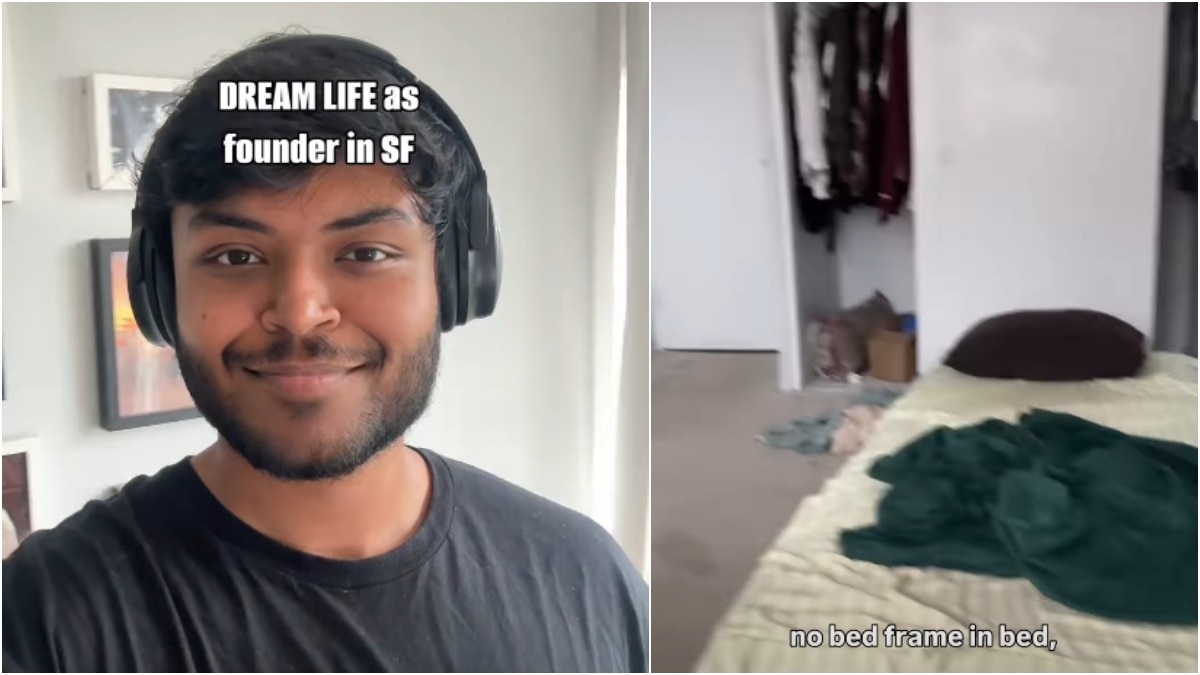
The glamorous image of startup success often comes with hidden costs. A viral video by a US-based Indian entrepreneur has peeled back that polished narrative, offering a raw glimpse into the emotional and physical toll of building a company from scratch. Utkarsh Nanda, the founder of AI platform MindHub, recently shared a personal video on social media, reflecting on the sacrifices he has made while chasing his entrepreneurial dream. Read Full Story The post quickly gained traction, with many founders and professionals relating to the realities of startup life that are rarely spoken about.
"Only $1M investment can save my soul," Nanda captioned the video, using humour to underline the pressures of running a startup. In the video, he describes spending countless hours working alone from a small room, where most of his days revolve around his laptop. The relentless routine, he says, has come at a personal cost. He revealed that he has not been able to visit his parents for more than two years as he remained focused on building his company. Watch the video here Nanda also spoke about the impact the demanding lifestyle has had on his health.
Over the course of building the platform, he said he gained more than 20 kilograms and developed a habit of consuming large amounts of Diet Coca-Cola, showing several empty bottles lined up in his room. The honesty of the video resonated with many viewers, particularly fellow entrepreneurs who said the clip reflected the less glamorous side of startup culture. Several users shared their own experiences of long working hours, isolation and neglected health, while others urged founders to prioritise their well-being alongside business ambitions. Responding to a user curious about his work, Nanda said he is building MindHub, an AI platform designed to organise users' AI queries on a visual canvas while automatically creating an expanding knowledge base.
He added that the platform's next goal is to develop a social network centred around AI interactions, describing the idea as a blend of ChatGPT and LinkedIn. While the video was deeply personal, it has also reignited conversations around hustle culture, reminding many that behind ambitious startups are founders often navigating loneliness, burnout and significant personal sacrifices long before success arrives. Ends
 The BriefWire