Bangladesh To Get New President This Month After Hasina Ally Shahabuddin Resigns
News world Bangladesh To Get New President This Month After Hasina Ally Shahabuddin Resigns Bangladesh To Get New President This Month After Hasina Ally Shahabuddin
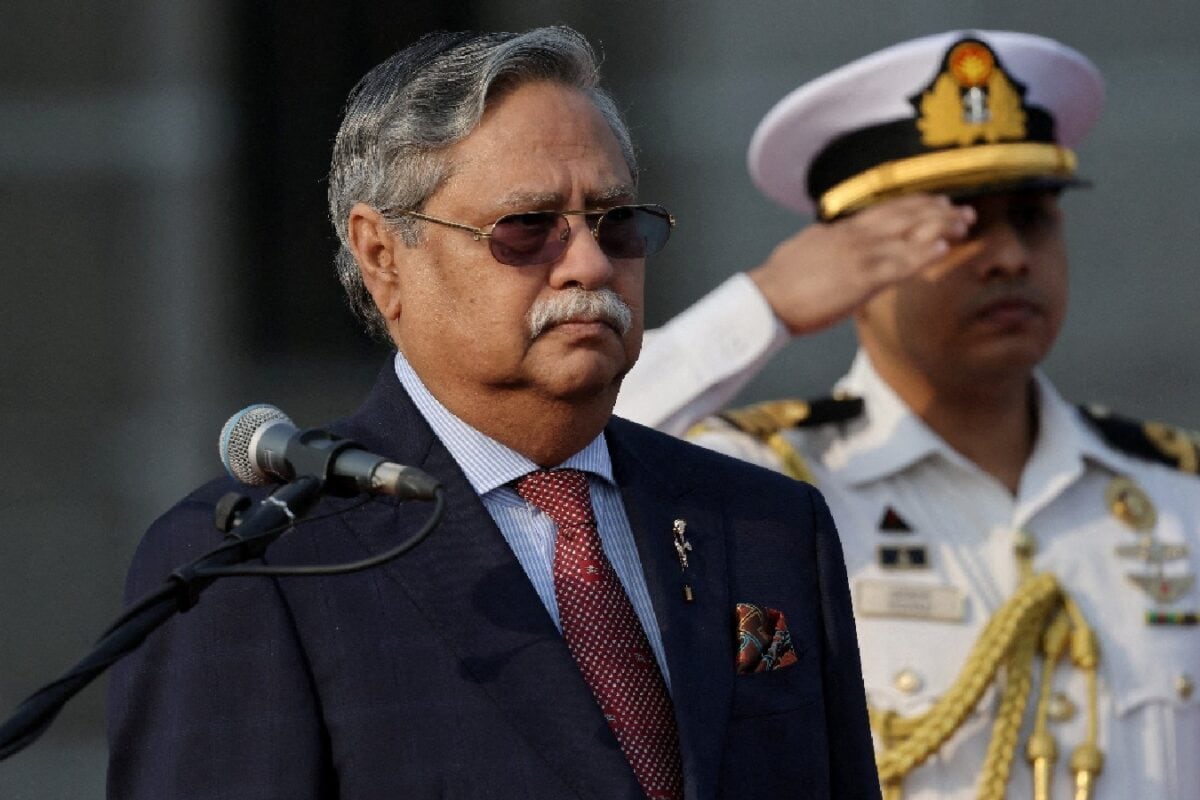
News world Bangladesh To Get New President This Month After Hasina Ally Shahabuddin Resigns Bangladesh To Get New President This Month After Hasina Ally Shahabuddin Resigns Published By, Last Updated: August 06, 2026, 15:48 IST Bangladesh will elect its next president on August 20 following the resignation of Mohammed Shahabuddin, who stepped down weeks after mounting pressure. Bangladesh’s President Mohammed Shahabuddin, a close ally of Sheikh Hasina, resigned citing ‘health reasons’. (IMAGE: REUTERS) Bangladesh will elect its next President on August 20, the Election Commission announced on Thursday, weeks after former president Mohammed Shahabuddin resigned from office amid mounting political pressure following the ouster of the Sheikh Hasina government. According to Prothom Alo, polling, if required, will be held in the Jatiya Sangsad (Parliament) session room between 2 pm and 5 pm on August 20.
The Election Commission said candidates must file their nomination papers on August 13, scrutiny will be held on August 16, and the deadline for withdrawal is August 18. Chief Election Commissioner AMM Nasir Uddin will serve as the returning officer for the election. If only one candidate files nomination papers, the Election Commission will declare the candidate elected unopposed on August 18, making voting unnecessary, Prothom Alo reported. The presidential election follows the resignation of Mohammed Shahabuddin on July 24. Shahabuddin, who was elected to the largely ceremonial post in 2023 with the backing of Sheikh Hasina’s Awami League, stepped down after facing sustained demands from political parties and student groups that had accused him of retaining office despite the change in government following Hasina’s removal from power in August 2024.
Under Bangladesh’s Presidential Election Act, 1991, the Election Commission is required to hold a presidential election within 90 days of the office falling vacant. The president is elected indirectly by members of Parliament. A candidate’s nomination must be proposed by one MP and seconded by another, along with the candidate’s written consent. According to Prothom Alo, since the restoration of parliamentary democracy in 1991, only one presidential election has required voting because of multiple candidates. In subsequent elections, nominees backed by the ruling party have been elected unopposed. News18 Newsletter Handpicked stories, in your inbox A newsletter with the best of our journalism submit About the Author Shankhyaneel Sarkar Shankhyaneel Sarkar is a chief sub editor at News18.
 The BriefWire