Shoot The Messenger? Pakistan Probes Journalists After Senate Cigarette Smuggling Report
News world Shoot The Messenger? Pakistan Probes Journalists After Senate Cigarette Smuggling Report Shoot The Messenger? Pakistan Probes Journalists After Senate Cigarette Smuggling Report Reported
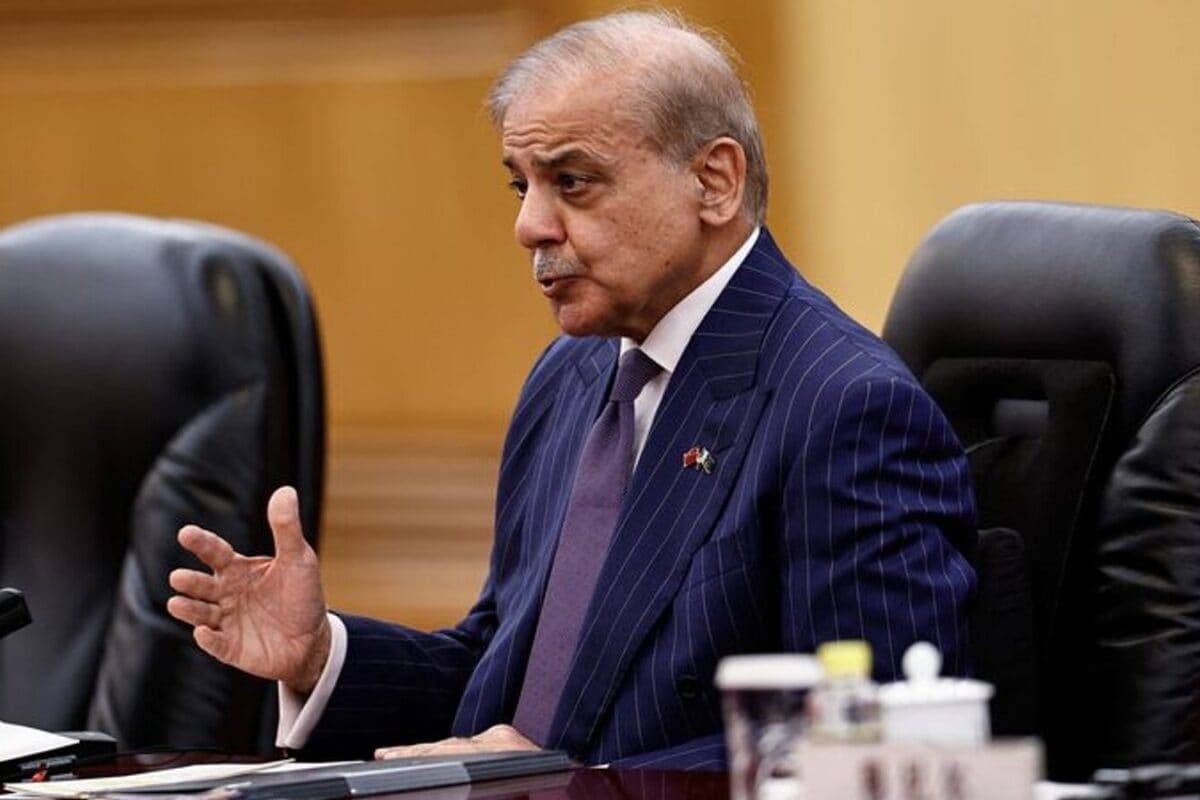
News world Shoot The Messenger? Pakistan Probes Journalists After Senate Cigarette Smuggling Report Shoot The Messenger? Pakistan Probes Journalists After Senate Cigarette Smuggling Report Reported By, Last Updated: August 06, 2026, 13:08 IST The report allegedly concerned the seizure of non-custom-paid cigarettes by Pakistan Customs and the motorway police near Chakri, and the alleged involvement of two senators. Rapid Read Pakistan's Prime Minister Shehbaz Sharif (REUTERS file) A document circulating in Pakistan has triggered fresh concerns over press freedom after authorities appeared to initiate a forensic probe into journalists linked to a television report alleging the involvement of two senators in a cigarette smuggling and ta evasion case. The document, issued by Pakistan’s Press Information Department (PID) in Islamabad and marked “Most Immediate – Senate Business", refers to a “forensic investigation report by NCCIA" into a news report aired by ABN News.
The report allegedly concerned the seizure of non-custom-paid cigarettes by Pakistan Customs and the motorway police near Chakri, and the alleged involvement of two senators. According to the notice, the PID convened a meeting on August 6, 2026, at its Islamabad headquarters to discuss the matter. The list of recipients includes the Pakistan Electronic Media Regulatory Authority (PEMRA), the Ministry of Interior and Narcotics Control, the Cyber Crime Investigation Agency (NCCIA), and notably the “bureau chief and concerned reporter" of ABN News. The development has sparked criticism from journalists and free-speech advocates, who argue that the state appears to be scrutinising the reporters rather than publicly addressing the allegations contained in the original broadcast. The controversy comes against the backdrop of a broader debate over the use of cybercrime and regulatory mechanisms in Pakistan.
In recent years, media organisations and rights groups have repeatedly accused authorities of using legal and administrative tools to pressure journalists, particularly those reporting on corruption, security issues, or politically sensitive subjects. What has drawn particular attention in this case is the reference to a forensic investigation by the NCCIA, Pakistan’s cybercrime agency. Critics fear that such an investigation could involve demands for access to phones, digital records, or communications of the journalists involved, potentially exposing confidential sources. Supporters of the journalists argue that if the allegations against public officials are false, the appropriate remedy would be through defamation proceedings or a transparent judicial process. They contend that summoning reporters to a government committee meeting risks creating a chilling effect on investigative journalism. The Pakistani government has not yet publicly detailed the scope of the NCCIA’s forensic inquiry or whether any journalist’s phone or digital data has been formally sought.
 The BriefWire