'A No Means A No’: From Bollywood To High Court, Phrase At Centre Of Tarun Tejpal Case Debate
News india 'A No Means A No’: From Bollywood To High Court, Phrase At Centre Of Tarun Tejpal Case Debate 'A No Means A No’
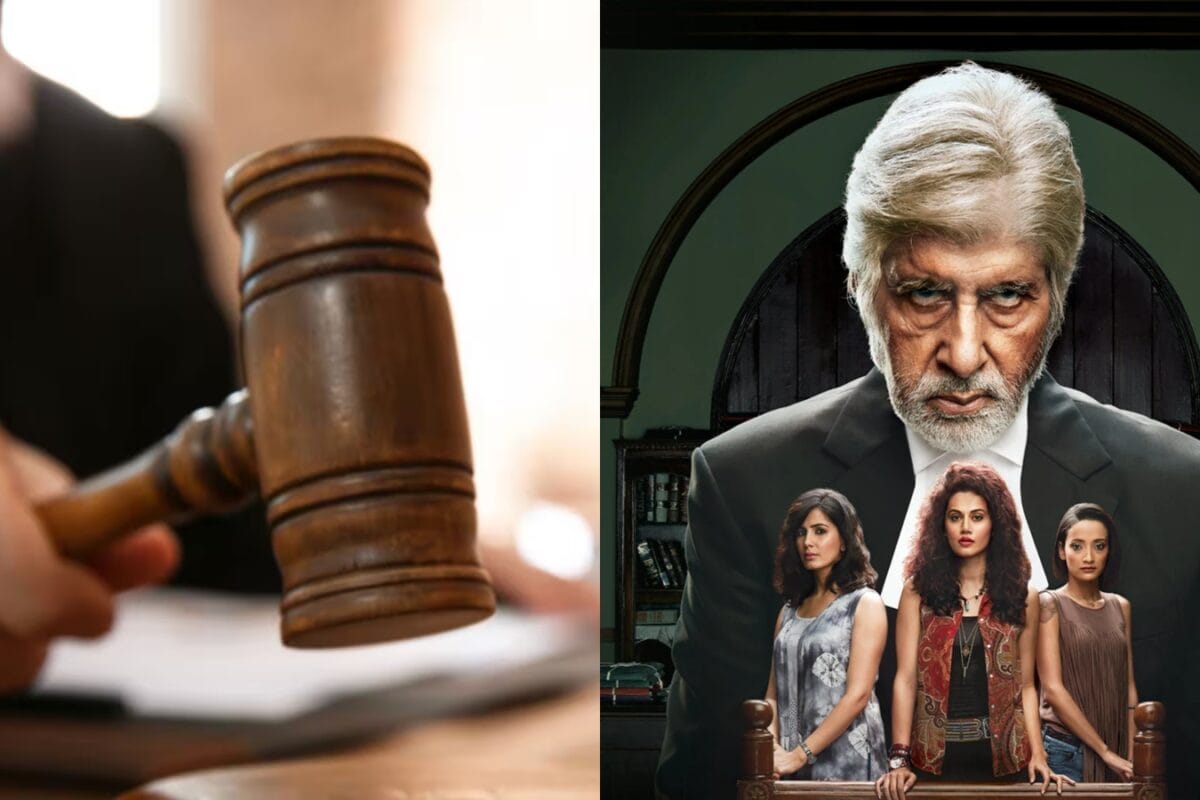
News india 'A No Means A No’: From Bollywood To High Court, Phrase At Centre Of Tarun Tejpal Case Debate 'A No Means A No’: From Bollywood To High Court, Phrase At Centre Of Tarun Tejpal Case Debate Reported By, Last Updated: August 06, 2026, 12:36 IST Solicitor General Tushar Mehta’s “A No Means A No” remark in Tarun Tejpal case has revived a conversation on consent, recalling Amitabh Bachchan’s iconic Pink courtroom dialogue. Rapid Read While the phrase, “A No Means A No,” became memorable because of Amitabh Bachchan starrer, Pink, its message extends far beyond cinema. When Solicitor General Tushar Mehta recently told the court that society must receive a clear message that “when a girl says no, it means no," the phrase once again entered the centre of public conversation.
Mehta, appearing for the Goa government, argued that the seriousness of such offences required a strong response and emphasised the importance of respecting a woman’s refusal. The words “No Means No" may sound simple, but over the years they have become a widely recognised expression of consent, dignity and personal autonomy. Read More: ‘I Have A Wife, Please Be Lenient’: Tarun Tejpal Appeals For Mercy As Court Convicts Him In Sexual Assault Case The phrase gained major public attention after the 2016 Hindi film Pink, where Amitabh Bachchan played lawyer Deepak Sehgal. In one of the film’s most memorable courtroom moments, his character argued that a woman’s refusal must be respected and that consent cannot be assumed. Following the release of Pink, discussions around consent moved beyond cinema halls and became part of social media conversations.
Many viewers described the film as a turning point in bringing everyday discussions about consent, victim-blaming and gender equality into mainstream debate. The phrase has also found resonance in legal discussions. Courts have repeatedly emphasised that a person’s refusal must be treated seriously and that consent cannot be presumed from circumstances such as past relationships or personal choices. In a 2025 ruling, the Bombay High Court also reiterated that a woman’s “no" means no while discussing consent in a sexual assault case. Years after Pink introduced the phrase to a wider audience, “No Means No" continues to appear in public discussions, from courtrooms to campaigns and social media, reflecting a larger conversation about respect, consent and individual choice. While the phrase became memorable because of a popular film, its message extends far beyond cinema: a refusal is a boundary, and respecting that boundary is a fundamental part of consent.
 The BriefWire