'P In PDA Is Pandit Too’: Decoding Akhilesh Yadav's Big Brahmin Gamble Before UP Polls
News explainers 'P In PDA Is Pandit Too’: Decoding Akhilesh Yadav's Big Brahmin Gamble Before UP Polls 'P In PDA Is Pandit Too’: Decoding Akhilesh
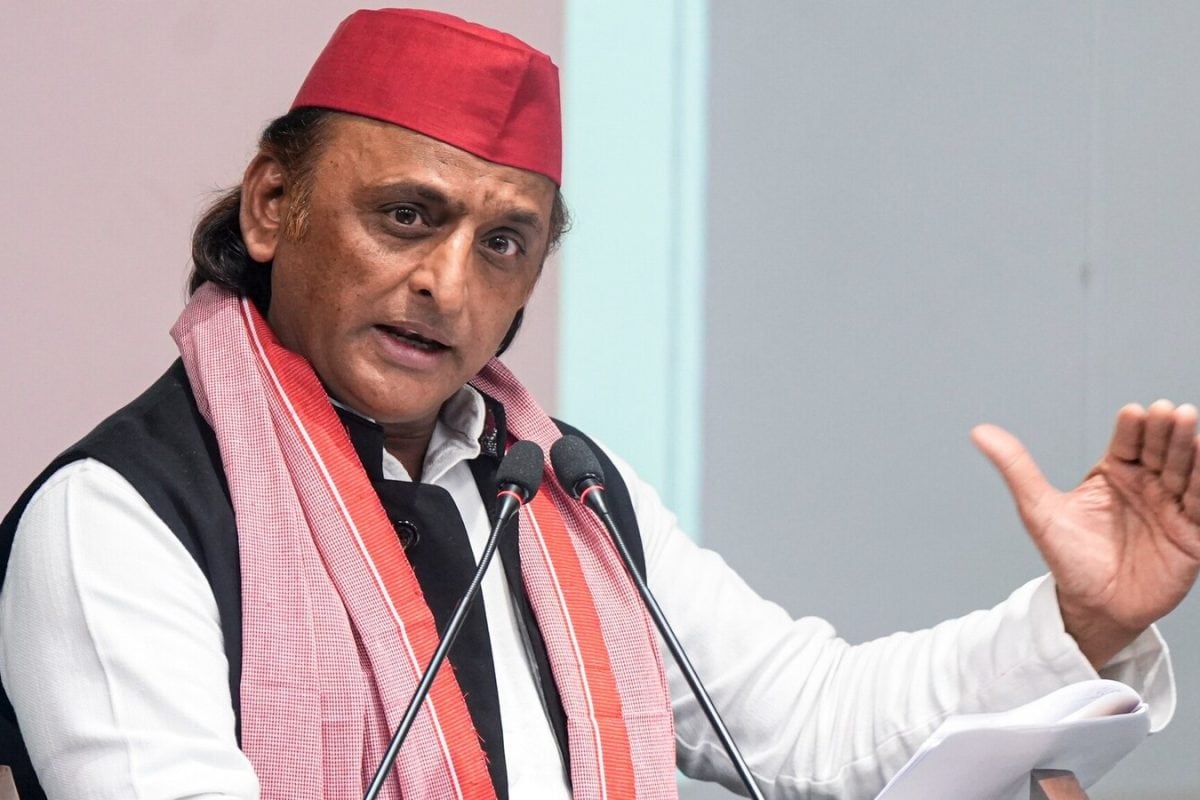
News explainers 'P In PDA Is Pandit Too’: Decoding Akhilesh Yadav's Big Brahmin Gamble Before UP Polls 'P In PDA Is Pandit Too’: Decoding Akhilesh Yadav's Big Brahmin Gamble Before UP Polls Published By, Last Updated: August 06, 2026, 11:20 IST At a recent public interaction in Uttar Pradesh, Akhilesh Yadav said, “Those who keep changing the definition of PDA should know that the ‘P’ in PDA stands for Pandit. Rapid Read Samajwadi Party chief Akhilesh Yadav. (Image: PTI) With less than a year to go for the 2027 Uttar Pradesh Assembly election, Samajwadi Party chief Akhilesh Yadav appears to be testing a significant political expansion of his party’s successful PDA formula. What began as a coalition of Pichhda (Backward), Dalit and Alpsankhyak (Minority) groups is now being recast in a broader, more inclusive language, one that explicitly reaches out to Brahmins and other groups that the SP describes as “peedit" (aggrieved or distressed). At a recent public interaction in Uttar Pradesh, Akhilesh Yadav said, “Those who keep changing the definition of PDA should know that the ‘P’ in PDA stands for Pandit, and ‘PD’ is short for Pandit." He also argued that “the more a Pandit is harassed, the stronger he will become." The remarks were made while accusing the BJP of targeting religious leaders and sections of the Brahmin community. The statement is politically striking because it signals a possible broadening of the SP’s social justice plank rather than a formal abandonment of it. The Original PDA Formula After the 2022 Assembly election, Akhilesh Yadav aggressively PDA as the SP’s central political identity. The formula sought to unite backward classes, Dalits and minorities against what the party called social and political exclusion.
The strategy paid visible dividends in the 2024 Lok Sabha election, when the SP won 37 seats in Uttar Pradesh, its best performance in a parliamentary election. The party made gains not only in traditional Yadav-Muslim strongholds but also in several constituencies with substantial non-Yadav OBC and Dalit populations. The victory in Faizabad (Ayodhya) by Dalit leader Awadhesh Prasad became one of the most discussed results of the election. For the SP, PDA was never merely a slogan, but an attempt to construct a durable anti-BJP social coalition. The ‘Pandit’ Shift Akhilesh is not officially replacing PDA. Instead, he is expanding its emotional and symbolic vocabulary. According to his recent remarks, “PD" can also mean “Pandit" and “Peedit", a formulation that allows the SP to speak simultaneously to Brahmins and to any group that feels wronged by the ruling establishment. Reports also highlighted the phrase “peedit pandit", indicating a deliberate attempt to connect Brahmin outreach with a larger narrative of grievance and dignity. The Brahmin Outreach And Arithmetic In UP Polls Brahmins have historically been a politically influential community in Uttar Pradesh, and the BJP has enjoyed substantial support among them since 2014. The SP’s traditional support base has been associated with Yadavs and Muslims. The PDA strategy widened that base by bringing in non-Yadav OBCs and sections of Dalits. But to seriously challenge the BJP in 2027, the party needs to improve its performance among upper-caste Hindus, particularly in closely contested constituencies. Akhilesh’s outreach appears designed to achieve three goals Reduce the BJP’s monopoly over Brahmin voters. Reassure Hindu voters that the SP is not confined to minority politics.
 The BriefWire