How A Proposed Deal With Oman Could Hand Iran Unprecedented Control Over Strait Of Hormuz
News world How A Proposed Deal With Oman Could Hand Iran Unprecedented Control Over Strait Of Hormuz How A Proposed Deal With Oman Could Hand
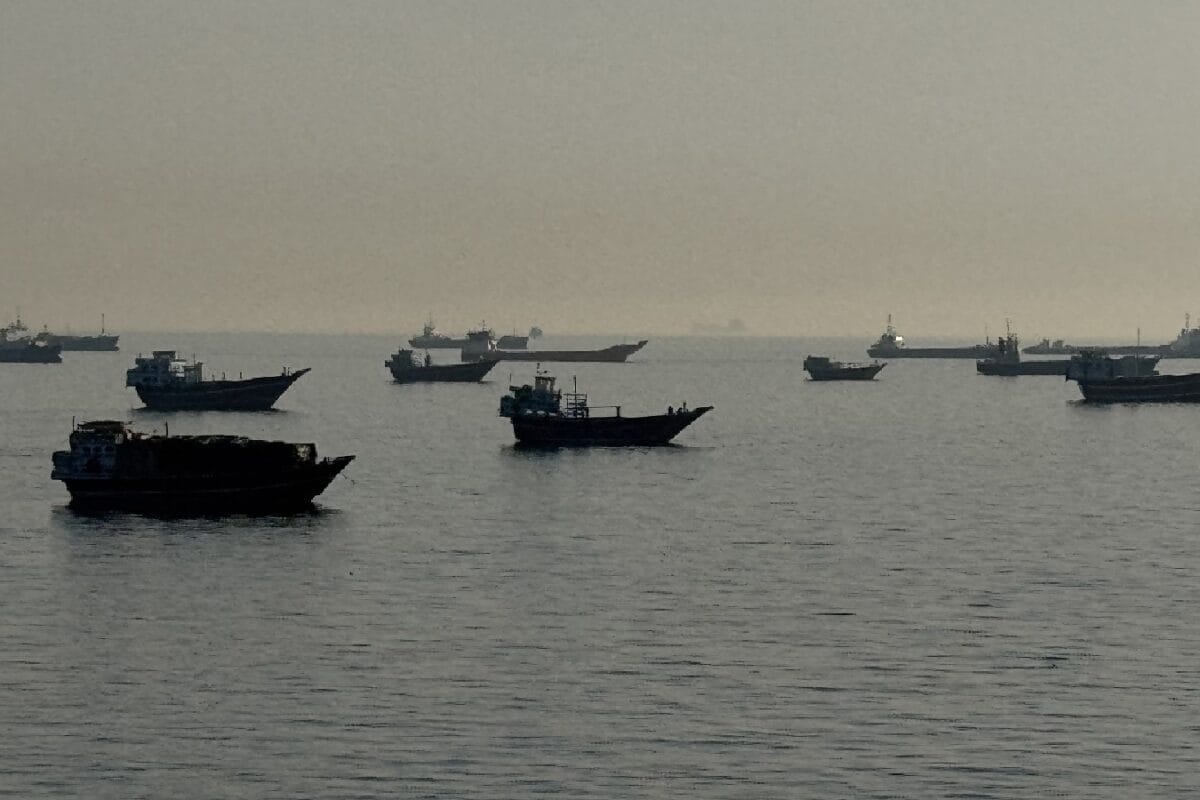
News world How A Proposed Deal With Oman Could Hand Iran Unprecedented Control Over Strait Of Hormuz How A Proposed Deal With Oman Could Hand Iran Unprecedented Control Over Strait Of Hormuz Published By, Last Updated: August 06, 2026, 09:41 IST The deal could replace decades of largely unrestricted passage with a system that gives Iran a formal role over ships entering the Gulf. Rapid Read A proposed agreement between Iran and Oman could rewrite the rules governing commercial traffic through the Strait of Hormuz by placing ships entering the Persian Gulf under Iranian oversight. (IMAGE: REUTERS) A proposed agreement between Iran and Oman could rewrite the rules governing commercial traffic through the Strait of Hormuz by placing ships entering the Persian Gulf under Iranian oversight. The arrangement is still being negotiated, but regional officials told Reuters that some form of Iranian control over the waterway had already been conceded. If finalised, the deal would mark a sharp departure from the pre-war system, under which commercial ships passed through the strait without paying transit charges or seeking approval from any single country. What Have Iran And Oman Agreed? Iran and Oman control waters on the northern and southern sides of the Strait of Hormuz. Iranian Foreign Ministry spokesman Esmaeil Baghaei said the two countries had agreed on the geographical coordinates of a new shipping route and were preparing a joint statement outlining the arrangement. Iranian Deputy Foreign Minister Kazem Gharibabadi said the talks had “reached fundamental understandings". “This progress is on the verge of being finalised," he said. According to Gharibabadi, the proposed system has been “designed in such a way that commercial ships will pass through Iranian territorial waters, both on the inbound and outbound legs".
Most of the proposed corridor would reportedly run through Iranian waters, with shorter stretches passing through Omani waters. It would replace the temporary northern and southern routes currently being used. What Would Change For Ships? The biggest change concerns vessels entering the Persian Gulf. A senior Iranian source told Reuters that the draft text envisaged Tehran controlling inbound traffic. One of the main sticking points was the extent of Iran’s role over ships travelling in the opposite direction. “The concession has already been made regarding some form of control over Hormuz," one regional source told Reuters. Another regional source said negotiators were still working out what “control" would mean in practice. The new system could therefore alter not only the route ships follow, but also the procedures governing their passage through the strait. Why Is The Strait Of Hormuz So Important? The Strait of Hormuz connects the Persian Gulf with the Gulf of Oman and the Arabian Sea. Nearly one-fifth of global oil supplies pass through the narrow waterway, along with large volumes of liquefied natural gas. That makes it the world’s most important energy chokepoint. Any disruption there can affect Gulf exporters, shipping costs and global oil prices. The proposed deal is significant because Washington has repeatedly said it would not accept Tehran controlling access to the Gulf. Yet five months of military operations, including a two-week campaign of strikes in July, have failed to break Iran’s grip on the strait. An agreement that gives Tehran a formal role in managing inbound traffic would therefore amount to one of Iran’s biggest strategic gains during the conflict.
 The BriefWire