Supreme Court Hits Full Strength Of 38: How India's Top Court Expanded Over 76 Years
News india Supreme Court Hits Full Strength Of 38: How India's Top Court Expanded Over 76 Years Supreme Court Hits Full Strength Of 38: How
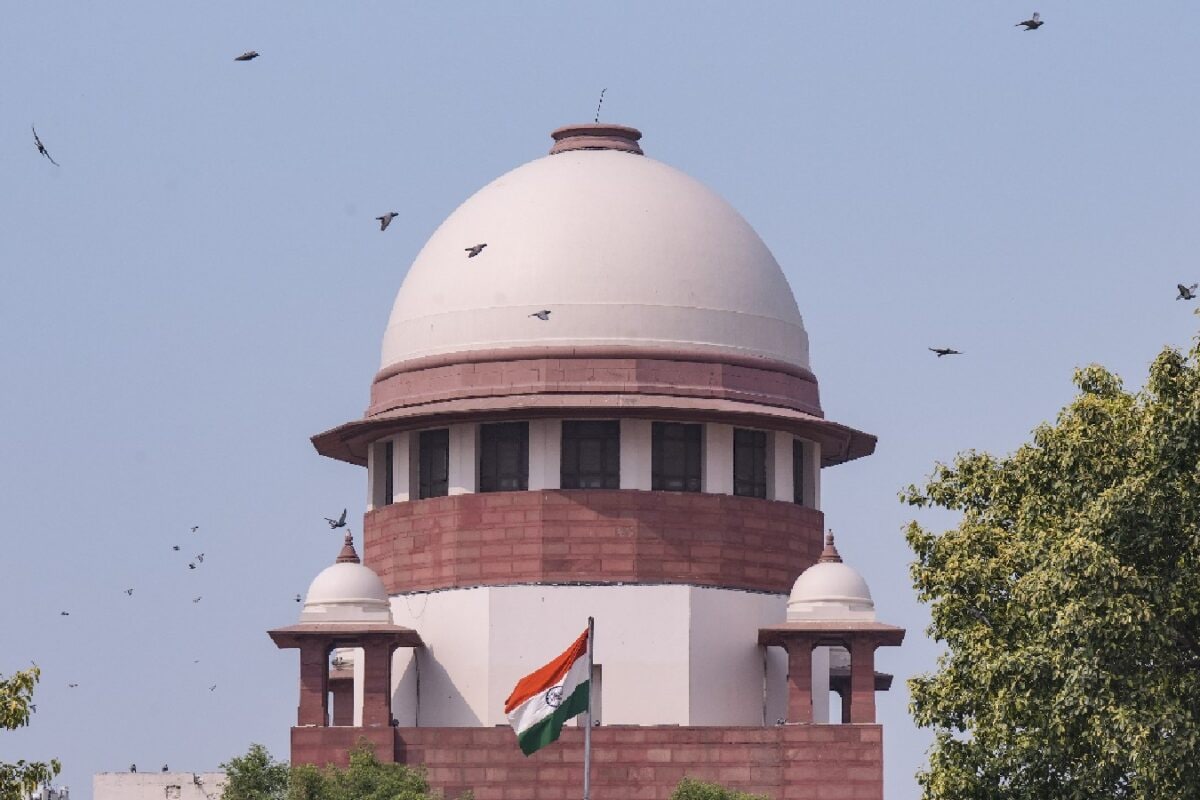
News india Supreme Court Hits Full Strength Of 38: How India's Top Court Expanded Over 76 Years Supreme Court Hits Full Strength Of 38: How India's Top Court Expanded Over 76 Years Published By, Last Updated: August 06, 2026, 09:23 IST Through India's independent journey over years, the apex court grew as an institution amid constitutional challenges and backlog burdens and always managed to keep people's faith. Rapid Read The Supreme Court of India. (File photo) Two years after the Constitution of India came into force, the Supreme Court of independent India began its journey with 8 justices — one Chief Justice, HJ Kania, and seven others. Now, 76 years later, the Government of India has increased that strength to 38 justices, including the Chief Justice. The strength of the Supreme Court is not fixed in the Constitution. Parliament decides it through amendments to the Supreme Court (Number of Judges) Act, responding to the court’s evolving needs. Over the decades, as litigation expanded and the court’s role widened, successive governments increased the sanctioned strength to manage the rising burden of cases.
This steady expansion reflects how India has built its apex court alongside a rapidly growing democracy. With more laws, more disputes, and greater public access to justice, the Supreme Court’s docket has expanded sharply, often leading to concerns over pendency and delays. In its early years, the court also shaped the constitutional foundation of the Republic through landmark rulings that defined fundamental rights, the balance of power, and the basic structure of the Constitution — decisions that continue to guide Indian democracy. How The Court Expanded Over The Years The court’s strength first increased in 1956, when Parliament raised the number of judges from 8 to 11 under the Supreme Court (Number of Judges) Act, responding to a growing caseload under the then Chief Justice. This was followed by another expansion in 1960, when the strength went up to 14 as the court saw a rise in constitutional and civil matters. In 1977, in the aftermath of the Emergency period, the sanctioned strength was increased to 18, reflecting both higher litigation and the court’s expanding role in safeguarding rights.
By 1986, as public interest litigation gained ground and access to the court widened, the number of judges was raised significantly to 26. After a long gap, the next major increase came in 2009, when the strength was raised to 31 amid mounting backlog and delays in disposal. A decade later, in 2019, Parliament further increased the number to 34 to help the court manage pendency and hear more cases simultaneously through multiple benches. The latest increase, taking the total strength to 38, comes at a time when the court continues to grapple with tens of thousands of pending cases and a growing need for more Constitution benches to decide complex legal questions. Debate Over Appointments And Reforms Alongside the question of numbers, there has been a long-running debate over how judges are appointed to the Supreme Court. The judiciary and the executive have often differed on the balance of power in this process. The introduction of the Judicial Appointments Commission (NJAC) through a constitutional amendment sought to give the executive a greater role, but the Supreme Court struck it down, reaffirming the collegium system.
 The BriefWire