Anti-quota voices get shriller: Protesters take to streets, Karni Sena vows no vote
Remember the young man who, during a TV debate on the NEET paper leak, rose from his chair and passionately argued that caste-based reservation was
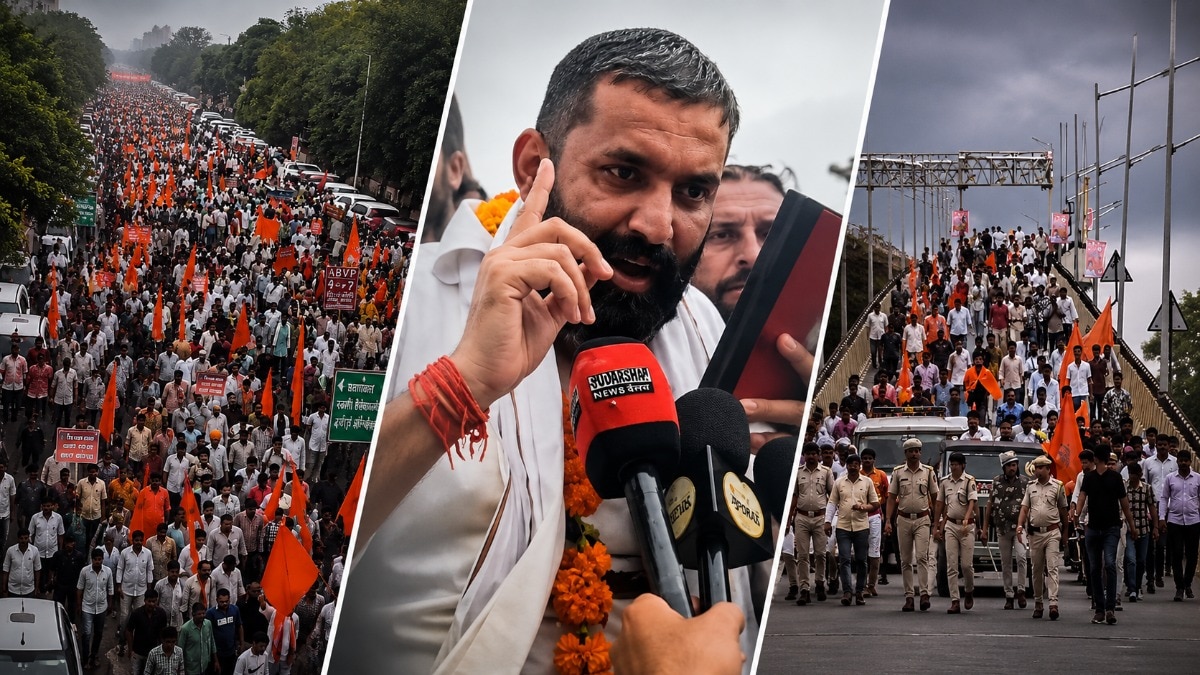
Remember the young man who, during a TV debate on the NEET paper leak, rose from his chair and passionately argued that caste-based reservation was driving student distress and even suicides? Harsh Dubey has since amassed thousands of followers on social media, reportedly given around two dozen interviews, and is now awaiting permission to stage a protest at New Delhi's Jantar Mantar. Read Full Story Over the past few weeks, a series of seemingly unrelated incidents has hinted at the emergence of a broader sentiment. Online, the anti-reservation campaign has found a growing rallying point. The Reservation Hatao Andolan (RHA) Instagram page, which began gaining traction as the CJP protests wound down, now has around 5.9 million followers, amplifying voices against caste-based quotas and calling for their rationalisation. The RHA also held its first on-ground protest in Maharashtra's Nagpur last week. Days later, an agitation by the members of the Shri Rajput Karni Sena, a group of the Rajputs, in Jaipur turned tense. They took to the streets and clashed with police over the now-stayed UGC's caste equity regulations. One death has been alleged. Karni Sena leaders have sworn in the names of their revered deities not to vote for the BJP in the local body polls. Put together, these developments suggest that anti-reservation voices are becoming louder and attracting supporters both online and offline. But the movement appears fragmented. Harsh Dubey waits to enter Jantar Mantar and lead. The RHA is continuing to mobilise anti-quota voices on the internet. The Shri Rajput Karni Sena is waging its own battle on Jaipur's streets. But it's clear that anti-reservation sentiment is growing stronger than ever, with prominent voices like academic-author Anand Ranganathan, journalist-creator Ajeet Bharti, and writer-director Anuradha Tiwari, joining in on the RHA platform that a student called Vedant started weeks ago. A list of demands has also been floated by these voices. Politicians, as always, are steering clear of the fast-boiling reservation debate. But on the ground, it is not just the Shri Rajput Karni Sena and Harsh Dubey who are trying to mobilise people against caste-based reservations in education, jobs and other domains. Influencers, commentators and public intellectuals are split over reservations. Some favour the status quo, some want it scrapped entirely, while others support it only if they have a tighter eligibility criteria. Online and offline, anti-reservation voices are steadily growing louder. The momentum threatens to widen one of India's most politically explosive and divisive debates on caste-based reservation. The timing is delicate and could unsettle multiple stakeholders. The anti-quota momentum comes weeks after the weeks-long CJP-led protests culminated in the resignation of Education Minister Dharmendra Pradhan and India saw nationwide unrest over the UGC equity regulations, which the "upper-castes" said was "unjustified, unjust, undermined merit", and would "deepen social divisions by enabling the unfair targetting of the savarna class". The "upper-castes" in February called the norms "kaala-kanoon". These developments could also spell trouble for the government at the Centre, in the states, and the parties in power.
 The BriefWire