Quote of the day by Napoleon Bonaparte: "Never interrupt your enemy when he is making…"
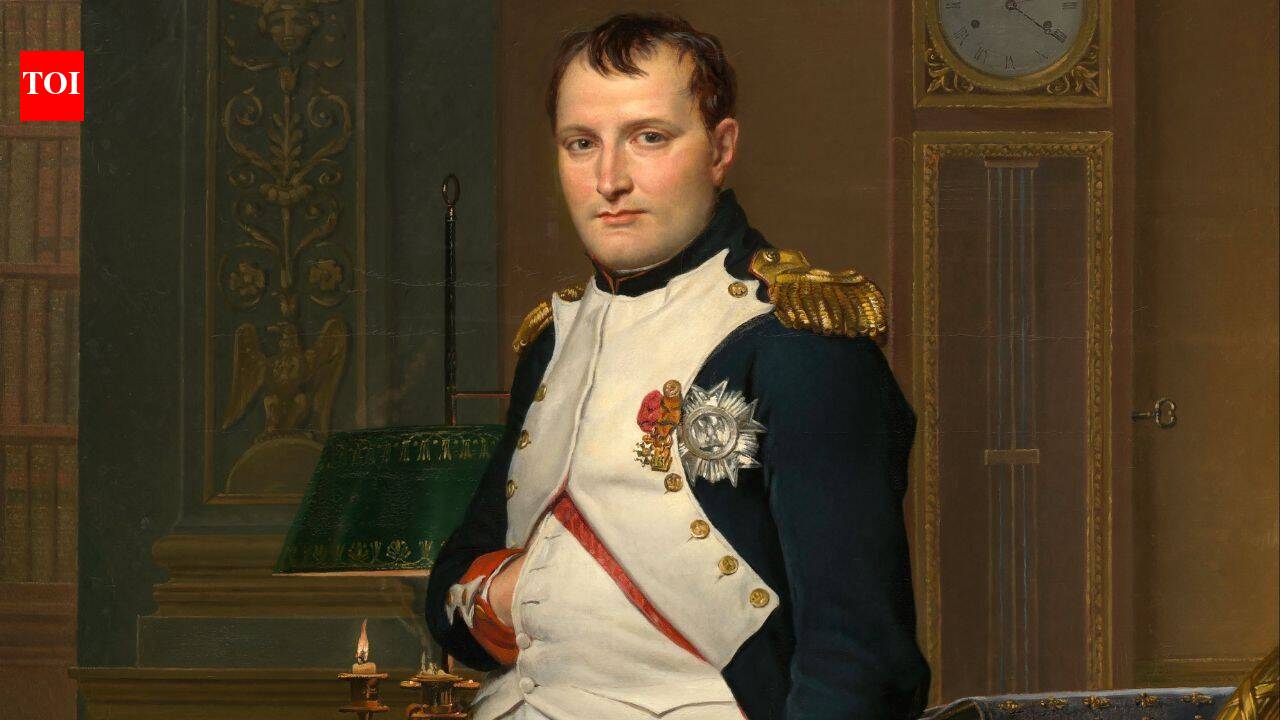
Napoleon Bonaparte (Image: Wikipedia) Quote of the day by Napoleon Bonaparte "Never interrupt your enemy when he is making a mistake" Where this quote actually
Napoleon Bonaparte (Image: Wikipedia) Quote of the day by Napoleon Bonaparte "Never interrupt your enemy when he is making a mistake" Where this quote actually comes from What the idea is actually saying Why patience can become a genuine advantage Why strong emotion tends to weaken good judgement Why careful observation is such a valuable skill Why mistakes often reveal something worth learning from Why timing matters as much as action itself in leadership Why this idea reaches well beyond the battlefield Other memorable quotes by Napoleon Bonaparte "Victory belongs to the most persevering." "Courage isn't having the strength to go on; it is going on when you don't have strength." "Ability is nothing without opportunity." "Take time to deliberate, but when the time for action comes, stop thinking and go in." Napoleon Bonaparte (Image: Wikipedia) Why this quote still resonates today Success often gets pictured as quick decisions and instant reaction, striking the moment an opportunity appears. Napoleon Bonaparte understood something quieter than that. "Never interrupt your enemy when he is making a mistake," the line widely credited to him goes. Rather than rushing to intervene the moment things start going wrong for an opponent, Napoleon recognised that letting a poor decision keep unfolding could often produce a far stronger advantage than jumping in too soon, a lesson traced right back to one of his own greatest military victories.This exact modern phrasing is not quite what Napoleon actually said, though the underlying idea genuinely is his.
The earliest documented version appears in Scottish historian Archibald Alison's 1836 history of the French Revolution, describing a real scene from the Battle of Austerlitz in December 1805, widely considered one of Napoleon's greatest victories. His marshals, sensing an opening, urged him to give the signal for action. Napoleon instead turned to Marshal Soult and asked how long it would take his troops to reach the heights of Pratzen. "Less than twenty minutes," Soult replied. "In that case," Napoleon said, "let us wait twenty minutes, when the enemy is making a false movement we must take good care not to interrupt him." The sentiment is genuinely his. The tighter modern phrasing simply evolved from that original translation over the decades that followed, gradually condensing into the sharper, more quotable version people repeat today.None of this is really an argument for wishing harm on anyone. It is a case for strategic patience instead. Stepping in too quickly when someone else is making a poor decision can actually help them avoid the consequences of that mistake before it has fully played out. Sometimes letting events unfold naturally provides considerably more clarity than intervening early ever could. Timing, in other words, often matters just as much as the action itself, if not more.Mistakes tend to grow larger the longer they get repeated.
 The BriefWire