Opposition MPs flag poor SC, ST, women representation in higher judiciary in RS
Opposition members in the Rajya Sabha on Wednesday raised concerns over the low representation of Scheduled Castes, Scheduled Tribes, backward classes and women in the
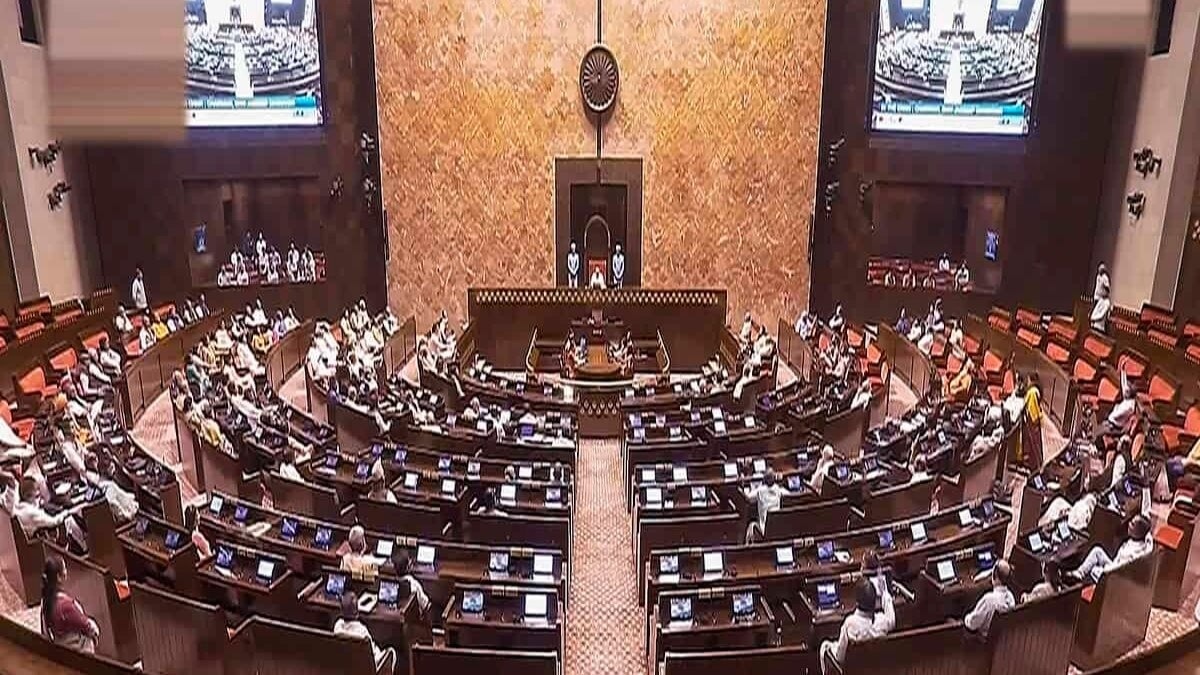
Opposition members in the Rajya Sabha on Wednesday raised concerns over the low representation of Scheduled Castes, Scheduled Tribes, backward classes and women in the higher judiciary during a debate on the Supreme Court (Number of Judges) Amendment Bill, 2026. Several members also called for greater transparency in the appointment of judges, while supporting the move to increase the strength of the Supreme Court. Read Full Story The discussion also saw sharp exchanges over the collegium system, the government bringing an ordinance in May to raise the number of judges, and the need to address the large backlog of cases. Members across parties said the increase in the number of judges should not be limited to the Supreme Court and should extend to high courts and lower courts as well. Participating in the debate, AAP member Sanjay Singh asked how many Supreme Court judges came from lower castes, Dalits, tribals and deprived sections. He said their representation in the judiciary was negligible and added that, in order to deliver justice, there must be equal representation from all sections of society in every sphere. Parliamentary Affairs Minister Kiren Rijiju replied, "The appointment notifications are definitely done by the government but the names are decided by the collegium. If the collegium does not send names from SC or ST, the government on its own cannot appoint anyone from SC or ST." RJD member Sanjay Yadav said the representation of deprived classes in the higher judiciary was not even 1 per cent and called it a matter of concern.
He said that while even a peon is appointed through examinations, judges are appointed without any examination, and suggested an all-India judicial service commission for appointing judges. He demanded transparency and said people had the right to know on what basis judges were appointed. He also alleged nepotism in judicial appointments and said the collegium system should be done away with. Menaka Guruswamy of the AITC accused the government of not appointing women, people from lower castes, religious minorities and members of the gay community to the judiciary. Congress member Vivek K Tankha criticised the government for bringing an ordinance in May, four days before the Supreme Court closed for its summer vacation, and asked what the urgency was. He said, "Why wasn't this brought as an Act straight to Parliament? Have a debate and amend, nobody is opposing increasing the number of judges. Is it radical enough to change the situation in the country," he asked. Tankha also tried to raise the issue of the abrogation of Article 370 and Jammu and Kashmir being made a Union Territory, but Deputy Chairman Harivansh did not allow it. BJP member Sangeeta Yadav said the ordinance had been necessary to prevent further delays in delivering justice. Congress deputy leader Pramod Tiwari objected to Harivansh not allowing Tankha to complete his speech, and after a heated exchange, members of INDIA bloc parties staged a walkout.
 The BriefWire