Quote of the day by Socrates: "The secret of happiness, you see, is not found in seeking more, but in…"
Quote of the day by Socrates "The secret of happiness, you see, is not found in seeking more, but in developing the capacity to enjoy
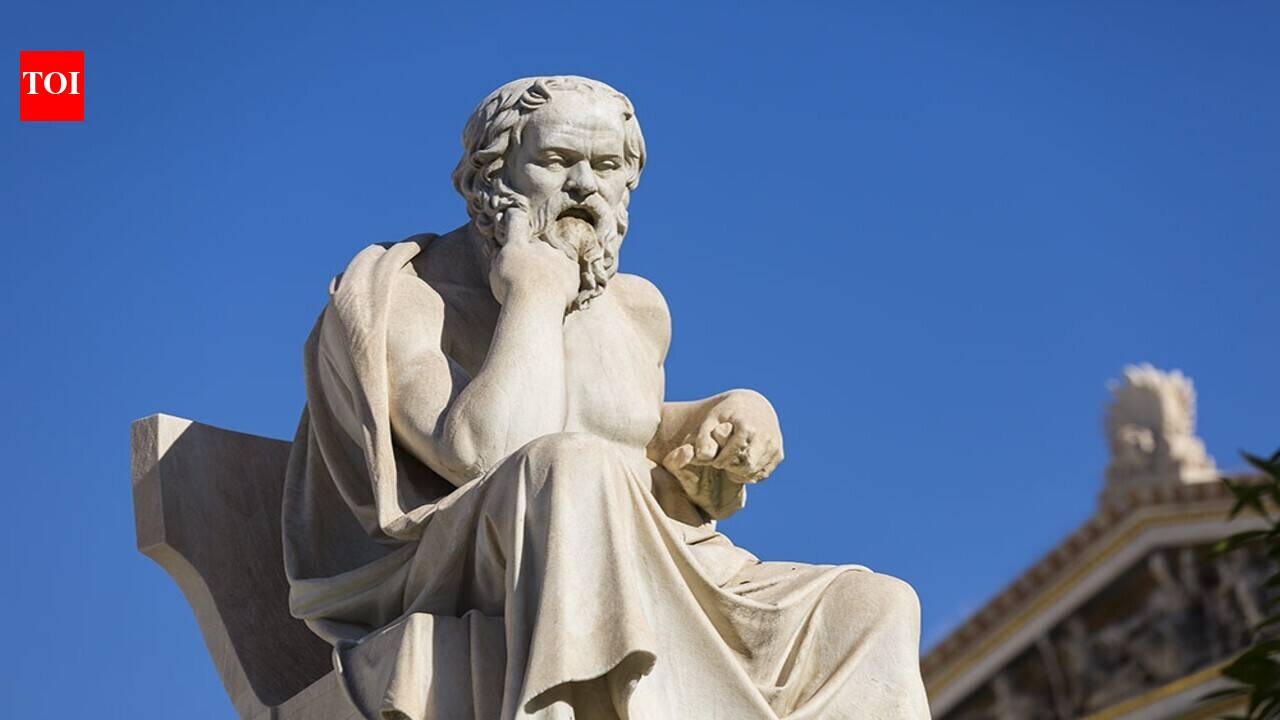
Quote of the day by Socrates "The secret of happiness, you see, is not found in seeking more, but in developing the capacity to enjoy less" Worth knowing before anything else What the idea is still saying, whoever coined it Why contentment tends to outlast temporary pleasure Why simplicity tends to reduce stress Why gratitude shifts perspective so effectively Why constant comparison quietly breeds dissatisfaction Why self-control tends to produce real freedom Why this idea still applies directly today Other memorable quotes by Socrates "The unexamined life is not worth living." "Wonder is the beginning of wisdom." "Be kind, for everyone you meet is fighting a hard battle." (Widely attributed to Socrates, though its exact origin remains genuinely debated.) "Education is the kindling of a flame, not the filling of a vessel." (Often attributed to Socrates through later tradition, without a confirmed original source.) "He who is not contented with what he has would not be contented with what he would like to have." (Traditionally attributed to Socrates.) Why this quote is relevant today Modern life often measures success by having more, a bigger house, a better job, the latest phone. A line widely credited to Socrates pushes back on that instinct directly. "The secret of happiness, you see, is not found in seeking more, but in developing the capacity to enjoy less," it goes.
Rather than chasing endless external achievement, the idea suggests happiness actually comes from gratitude and moderation, learning to genuinely appreciate what is already there. It is a striking claim to make more than two thousand years before consumer culture existed, which is exactly why the attribution deserves a closer look before taking it entirely at face value.This exact line circulates everywhere under Socrates' name, but not one source gives an actual citation, no specific dialogue, no page number, nothing beyond a repeated "attributed to Socrates" tag. One blog post claims it comes from Plato's Phaedo, but that claim is not backed up anywhere else, and Goodreads lists the quote explicitly as unverified. Socrates himself never wrote anything down. Everything we know of him comes through students like Plato, which makes precise sourcing especially important, and this particular line simply does not have it, unlike several other Socratic ideas that do trace back to a specific, citable passage.The idea itself is still worth thinking about regardless of who actually said it first.Socrates was not against ambition or progress in general. The real distinction being drawn here is between need and desire. People often assume that acquiring more money, status or possessions will finally make them happy, only to find each achievement quietly followed by a new want, an endless cycle with no actual finish line.
 The BriefWire