Hungary's Lake Velence is drying up
Hungary is feeling the heat. The country's third-largest lake is shrinking, the Danube is running low, and soaring temperatures could force the country's only nuclear
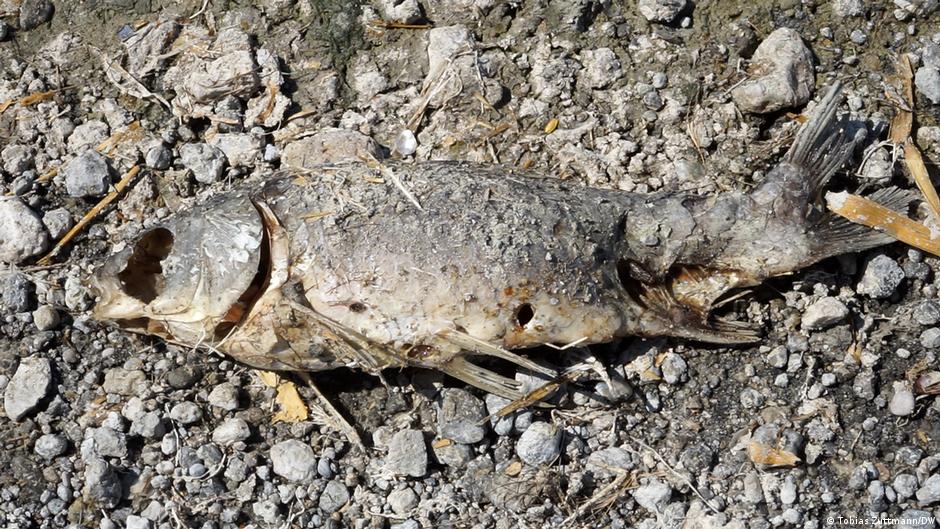
Hungary is feeling the heat. The country's third-largest lake is shrinking, the Danube is running low, and soaring temperatures could force the country's only nuclear power plant to shut down. A dead fish lies half-decayed on the shore. Its eyes have been picked out by the birds. Hungary's Lake Velence will likely experience a massive fish kill. That's because oxygen levels in the body of water are too low, according to environmental experts. This means more and more fish will suffocate. Hungary has seen temperatures soar to 40 degrees Celsius, with barely any rain. This heat is having a major impact on the country's third-largest natural lake. Its water has never been particularly deep, but the current situation is dire. Water levels have been recorded in Agard, on the southern shore, since 1933. It dropped to a historic low in September 2022, measuring just 53 centimeters. Yet as of today, August 4, the water level has dropped to a mere 29 centimeters (11 inches). As long as it doesn't rain and temperatures remain hot, the water level will continue to drop every day, by half a centimeter per day on average. The water is currently evaporating at such a fast pace that there may soon be no continuous body of water left, only isolated pools. This could mark a critical tipping point for the lake. The impact of Hungary's ongoing drought is already clearly visible. The lake has receded by dozens of meters. Ground once covered in water is now so dry that the soil is cracking. The reed belt surrounding the lake, which serves as a habitat for numerous bird species, is now largely rooted in dry soil. But not all living creatures are suffering under the current conditions: that's evident from a constant hum in the air near the water's edge. As fish and aquatic plants find their habitats shrinking, flies, bacteria, and other decomposers take over, breaking down what the drought leaves behind. No swimming The water shortage isn't just changing the lake — it's changing the entire region. Lake Velence is a popular tourist destination, located just 50 kilometers from Hungary's capital, Budapest.
It is considered less crowded than nearby Lake Balaton. Swimming is not an option this summer at Lake Velence Image: Tobias Zuttmann/DW But these days, there are barely any visitors. The remaining water has turned a brownish-green and taken on a slightly musty odor. A "No Swimming" sign has been put up, with yellow tape blocking access to the water. Five swimming spots have been closed to the public since July 23. The Velence municipal government says the beach will only reopen once the lake's water quality improves, though it is unclear when that might happen. The persistent heat and low water levels mean the lake's water is getting warmer and warmer, leading to a growth in bacteria and blue-green algae. Tourist industry under pressure The people living around the lake, who make their living in the region's tourist sector, are hard hit by the lake's falling water levels. Today, only one family is visiting the northern beach — not for swimming but sunbathing. There is a water slide, slowly rusting away, with the end of the chute not even reaching the water anymore. Only one kiosk is open today. A woman is selling langos, Hungary's well-known fried bread, as well as ice cream and lemonade. "The slide hasn't been used for years," the saleswoman tells DW. "It really needs fixing, but who will pay for it when fewer and fewer tourists come here?" Campsites and holiday homes around the lake seem deserted, with many stores closed. Peggy Barath works in an ice cream shop on Velence Promenade, telling DW, "We've always had a lot of tourists here." She says many visitors were from East Germany, the Czech Republic and the Netherlands. But in recent years, their numbers have been dwindling "because of the lake's low water levels." Peggy Barath hopes the situation will improve and tourists will return Image: Tobias Zuttmann/DW Peggy says that the ice cream shop now focuses on cyclists rather than tourists looking to swim, as cyclists are undeterred by low water levels. No long-term solution in sight Major interventions in the region's water cycle have made the lake more vulnerable to droughts over the years.
 The BriefWire