Stranger Pings & Digital Trojan Horses: How China Retained Foothold Inside US Network Infra | Exclusive
News world Stranger Pings & Digital Trojan Horses: How China Retained Foothold Inside US Network Infra | Exclusive Stranger Pings & Digital Trojan Horses: How
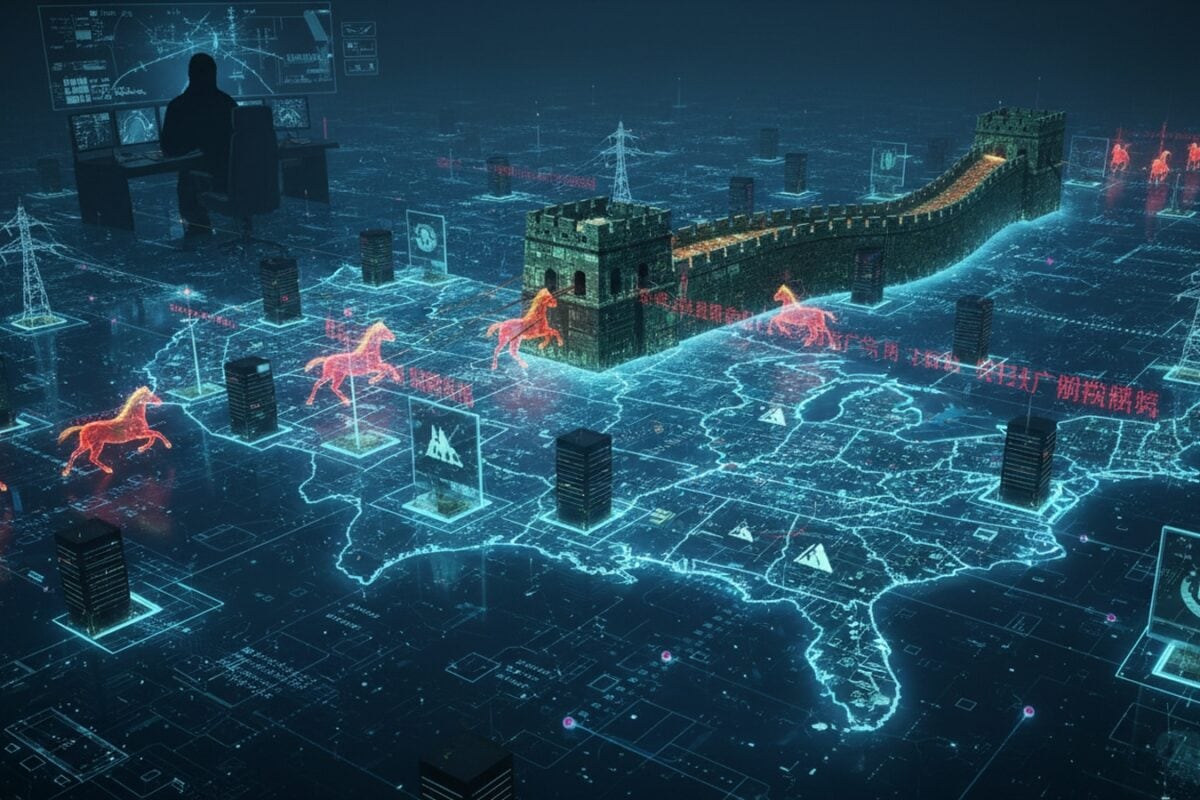
News world Stranger Pings & Digital Trojan Horses: How China Retained Foothold Inside US Network Infra | Exclusive Stranger Pings & Digital Trojan Horses: How China Retained Foothold Inside US Network Infra | Exclusive Reported By, Last Updated: August 05, 2026, 15:35 IST According to the committee's report, China Telecom, China Mobile and China Unicom retained unregulated equipment inside commercial data centres & internet exchange points across US Rapid Read AI generated for representation A bipartisan investigation by the U.S. House Select Committee on the Chinese Communist Party claims that Chinese state-owned telecom giants continued to maintain a presence inside critical U.S. internet infrastructure despite regulatory bans. According to the committee’s report, ‘Stranger Pings: Chinese Telecom Companies Infiltrate U.S. Infrastructure’, China Telecom, China Mobile and China Unicom allegedly retained unregulated equipment, server space and network connections inside commercial data centres and internet exchange points across the United States.
Sources familiar with the findings say Washington believed it had effectively banned the Chinese telecom giants years ago. However, lawmakers now claim China Telecom and China Mobile never fully exited the U.S. market. Instead, the report alleges the companies continued operating unregulated hardware deep inside private U.S. data centres, creating what lawmakers describe as hidden digital footholds within American network infrastructure. According to the report, rather than launching cyber operations entirely from overseas, Chinese state-backed actors allegedly exploited these physical footholds to reroute internet traffic from within the United States. Lawmakers warn this infrastructure may have enabled foreign operatives to manipulate internet traffic pathways and potentially divert sensitive communications through networks linked to Chinese state-controlled entities. The committee says it identified more than 100,000 instances of unauthorized Border Gateway Protocol (BGP) traffic rerouting, including routing anomalies that allegedly coincided with major state- cyber campaigns such as ‘Salt Typhoon’.
China Keeps More Than Eye On Foreigners, Indian Students: Travel, Shopping To Friends & Biometrics Explained According to the report, during the ‘Salt Typhoon’ cyber intrusions—which allegedly compromised court-authorized wiretap systems and political campaign communications—Chinese carrier infrastructure helped keep attacker-controlled server networks online and accessible. The investigation further alleges that the U.S.-registered subsidiaries of these telecom firms do not operate independently, but instead take direction from corporate leadership based in Beijing and Hong Kong. Lawmakers also claim contractual provisions discovered during the investigation required certain American clients to comply with censorship obligations derived from Chinese Communist Party policies and domestic Chinese law. The committee has recommended new legislation that would expand federal authority to remove infrastructure owned or controlled by foreign adversaries from U.S. communications networks.
 The BriefWire