North Koreans told to eat dog meat soup to beat summer heat
North Korea’s state media recommends dog meat soup to combat summer heat as temperatures soar above 40°C across the peninsula. North Korea’s state media has
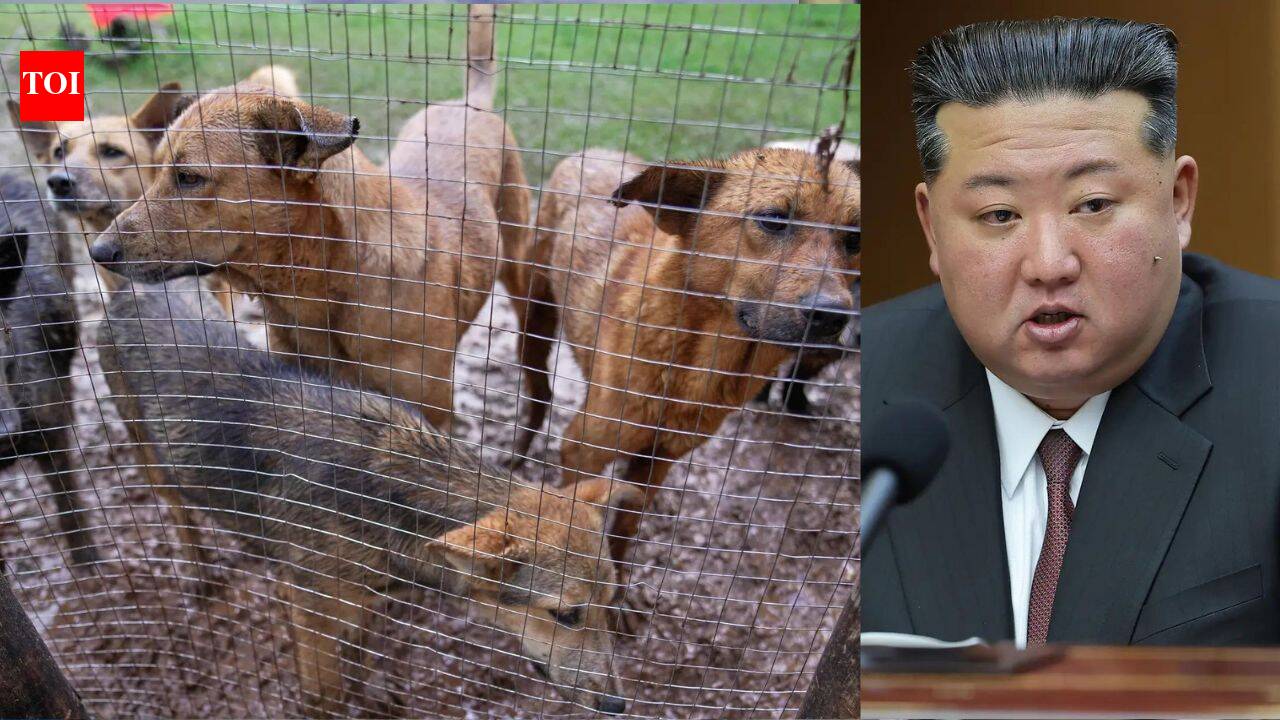
North Korea’s state media recommends dog meat soup to combat summer heat as temperatures soar above 40°C across the peninsula. North Korea’s state media has served up an unusual recipe for beating the summer heat: dog meat soup. The recommendation comes as a severe heatwave grips the Korean peninsula, with temperatures soaring above 40°C in parts of the region.According to the South China Morning Post, Rodong Sinmun, the newspaper of Kim Jong Un’s ruling Workers’ Party, published the advice on Sunday, as part of guidance on coping with the heatwave, which also included first-aid measures for heat-related illnesses.Speaking to the newspaper, a senior doctor at Pyongyang general hospital warned that “cardiovascular diseases, diabetes, and hyperthyroidism can worsen due to heat exhaustion and heatstroke”.The paper recommended cooling foods such as watermelon, mung beans and cucumbers, alongside “highly nutritious foods” including dog meat soup, fish porridge and red bean porridge, reviving Pyongyang’s long-running promotion of the controversial dish, as a traditional health food.Locally known as dangogi guk, the dog meat soup remains relatively expensive and is beyond the reach of many ordinary North Koreans.“Dangogi is popular in the North, but it is a pricey food,” Ri Chol, a former North Korean diplomat, told This Week in Asia, according to the Post.
“It is mostly consumed on hot summer days to help fend off heat exhaustion,” he said.Pyongyang has dog meat for decades, including through speciality restaurants and annual cooking competitions designed to highlight the dish as part of the country’s culinary traditions.South Korea has moved to phase out the practice of eating dog meat entirely. A law passed in 2024 prohibits the breeding, slaughter, distribution and sale of dogs for human consumption. The ban is being implemented after a three-year transition period, which ends in February 2027. Once the grace period expires, those violating the law could face up to three years in prison or fines of up to 30 million South Korean won.North Korea has meanwhile been experiencing persistent heat.
Since July 27, Pyongyang has recorded a series of tropical nights, with overnight temperatures remaining above 25 degrees Celsius.The Korean Central Broadcasting Station reported on Monday that a “sweltering heat advisory” would remain in place across much of the country through Sunday.Daytime temperatures are forecast to climb
to between 33°C and 35°C in several areas, while relative humidity is expected to remain above 70 per cent.South Korea is also facing severe heat, with temperatures recently exceeding 40 degrees Celsius in parts of the southeast. The heat is expected to spread towards the Seoul metropolitan area.
 The BriefWire