Kanwar Yatra: The Eternal Message of 'Bol Bam'
An atmosphere of love, cooperation, and social harmony naturally develops in any society when individuals set aside their ego and embrace the path of devotion
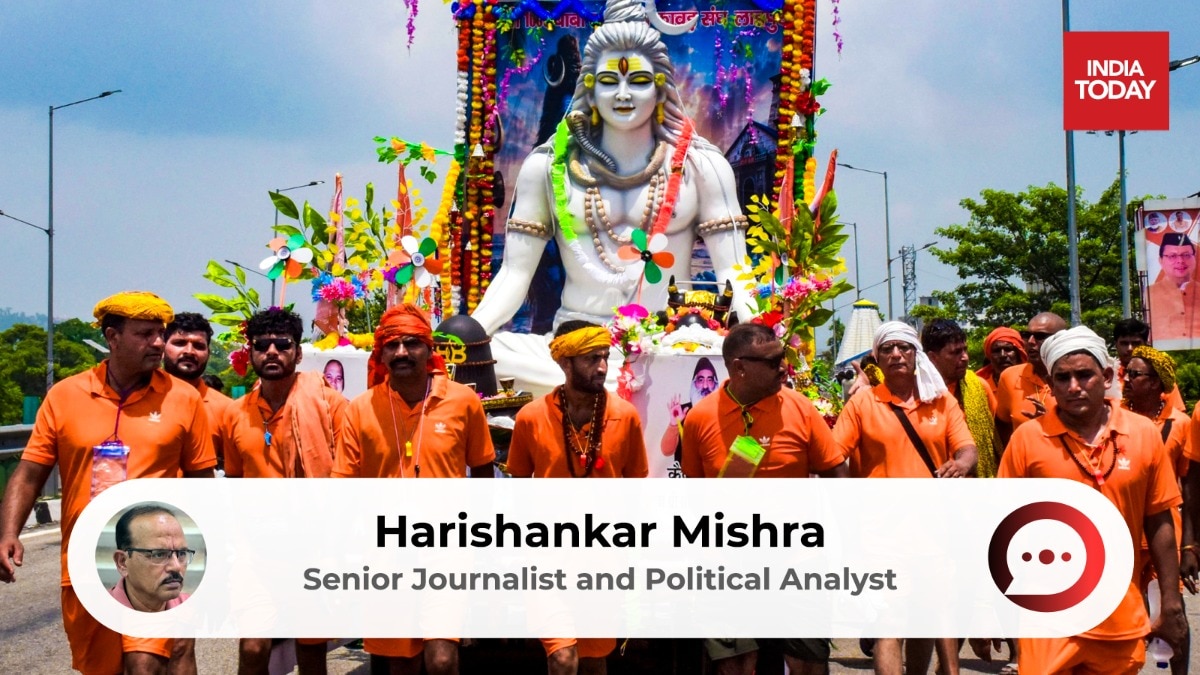
An atmosphere of love, cooperation, and social harmony naturally develops in any society when individuals set aside their ego and embrace the path of devotion. The Kanwar Yatra is a living symbol of this truth. It is a grand cultural journey that unites people beyond distinctions of caste, class, language, region, economic status, or social background. The Kanwar Yatra teaches us an important lesson: social harmony cannot be created through sermons alone; it grows through shared faith, collective participation, and mutual respect. This is clearly visible today as thousands of devotees, carrying sacred Ganga Jal on their shoulders, walk together toward Shiva temples. Read Full Story Amidst immense diversity, this spirit of unity comes alive every Shravan. Rooted in devotion, service, coexistence, and social harmony, the pilgrimage embodies a spiritual force that connects individuals with the larger interests of society and the nation. At the heart of this collective discipline lies a shared identity-Bhola, a name that symbolizes the devotee's oneness with Lord Shiva. The term Bhola is not merely a form of address; it is a language of equality. The moment a devotee lifts the Kanwar, personal identity, family background, and economic status become secondary. At roadside service camps, the son of a wealthy businessman and the son of a daily wage labourer sit together in the same row and share a meal as equals.
This is more than an act of feeding the hungry; it is a silent effort to bridge centuries-old social divides, inspired by the natural power of faith. Under the leadership of Chief Minister Yogi Adityanath, the Uttar Pradesh government has understood this social dimension deeply. This is why the Kanwar Yatra continues to receive strong administrative support. From the government's perspective, the pilgrimage is a social occasion where society itself works to bridge its internal divides. Road repairs, security arrangements, medical camps, drinking water facilities, and rest stops are all efforts to strengthen the framework of social harmony. Another emotional dimension of this harmony is reflected in Hindu-Muslim participation. In towns such as Bareilly, Meerut, Muzaffarnagar, and several parts of Delhi, the craft of making Kanwars has, for generations, been in the hands of Muslim artisans. Bending bamboo, decorating it with colourful paper and fabric, and attaching bells are skills that sustain these families, who eagerly await the arrival of Shravan each year. They hope that their craftsmanship will adorn the shoulders of Shiva devotees. This reflects the deep social fabric of India, where faith and livelihood are closely intertwined. The journey also offers many other examples of social harmony. In several towns, Muslim families arrange drinking water and sherbet for Kanwar pilgrims outside their homes. In some places, tired pilgrims are even allowed to rest within mosque premises.
 The BriefWire