Aggression in name of mighty State can aggravate situation: SC on student protest
The Supreme Court on Wednesday cautioned law enforcement agencies against adopting an aggressive approach while dealing with student protests, observing that the use of force
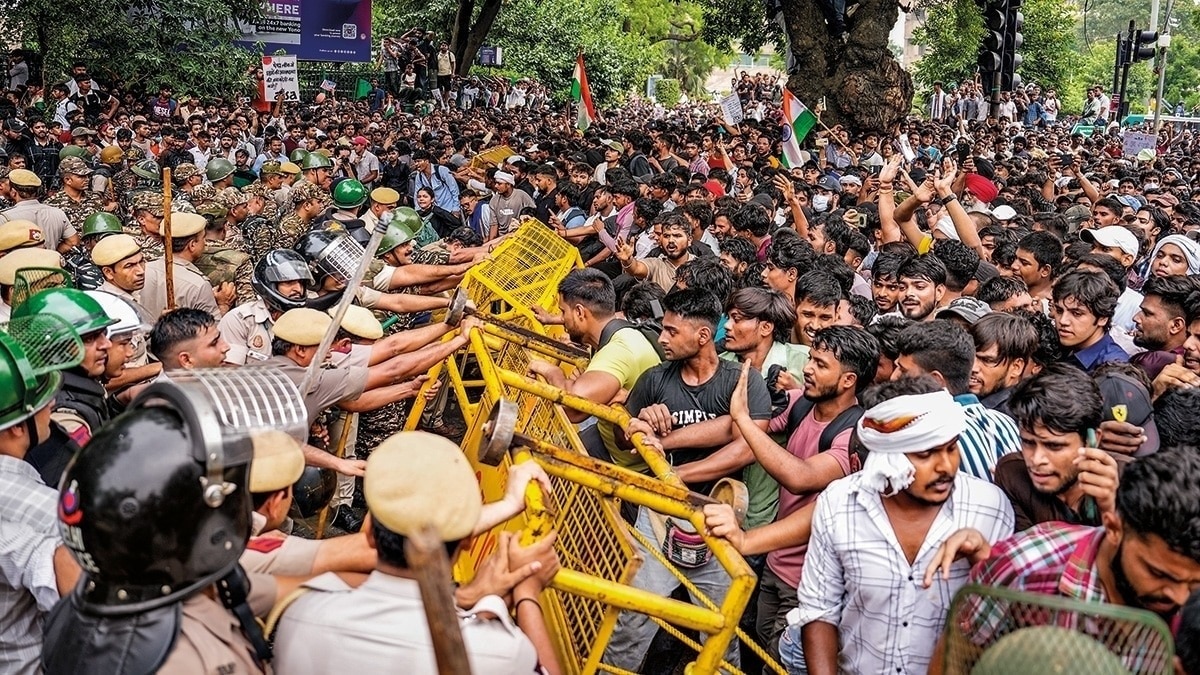
The Supreme Court on Wednesday cautioned law enforcement agencies against adopting an aggressive approach while dealing with student protests, observing that the use of force in the name of the "mighty State" could aggravate tensions and lead to further violence. The remarks came as the court agreed to hear a plea seeking action against the organisers of the July 20 Cockroach Janta Party (CJP) protest in Delhi. The petition was tagged with other pending cases related to the recent student protests in the national capital. Read Full Story "In a democracy, during such peaceful marches, forces also should exercise restraint," the court observed, adding that authorities needed to "tread very carefully" while dealing with youngsters to ensure that situations did not turn violent.
The petition sought action against the organisers of the protest and has also urged seven days of community service for youngsters who used abusive or objectionable language during the demonstration. The Chief Justice of India said that even if some "misguided" protesters resorted to stone-pelting, the preferred approach should be to engage with them and understand the reasons behind their agitation. "Responding violently would only aggravate the situation. The biggest powerful source is listening, listening to what they are saying and why they are agitating," the said. The court also observed that young protesters needed guidance and counselling rather than an aggressive response.
"These are youngsters. They need a lot of advisory consulting," it said. The bench further cautioned that aggression on the part of authorities could escalate tensions and trigger further violence. "Aggression coming from the other side in the name of the mighty state may also unnecessarily aggravate the situation and precipitate, leading to further violence. That needs to be avoided," the court said. The, however, said the manner in which such protests should be handled must ultimately be left to law enforcement agencies, which have the experience and expertise to deal with such situations. The petition relates to the July 20 protest in Delhi, when students took to the streets as part of the CJP-led agitation over alleged irregularities in the conduct of the NEET examination.
The protests eventually culminated in the resignation of Union Education Minister Dharmendra Pradhan. The petitioners have sought action against those responsible for organising the demonstration, arguing that failure to act against misconduct during protests could set a "dangerous precedent". Ends
 The BriefWire