RBI's new worry is El Nio: What Governor Sanjay Malhotra said and why it matters
Reserve Bank of India (RBI) Governor Sanjay Malhotra on Wednesday identified El Nio as one of the biggest risks to India's economic outlook, warning that
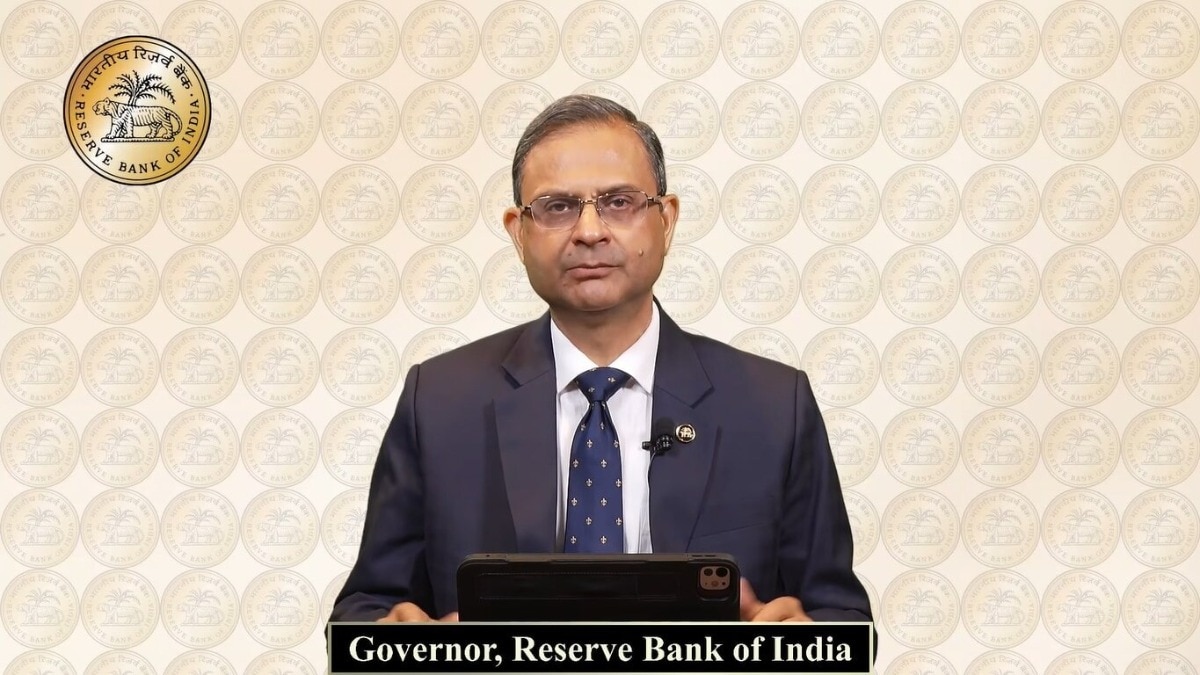
Reserve Bank of India (RBI) Governor Sanjay Malhotra on Wednesday identified El Nio as one of the biggest risks to India's economic outlook, warning that deficient and uneven monsoon rains could affect agriculture and complicate the inflation trajectory in the months ahead. While announcing the Monetary Policy Committee's (MPC) decision to keep the repo rate unchanged at 5.25%, Malhotra repeatedly referred to El Nio as a key uncertainty alongside geopolitical tensions, volatile crude oil prices and global trade disruptions. Read Full Story His remarks signal that the weather phenomenon has become an important factor influencing the RBI's assessment of inflation and economic growth. WHAT DID THE RBI GOVERNOR SAY? Speaking at the policy announcement, Malhotra said the outlook for agriculture remains uncertain because of the weather pattern associated with El Nio. "Looking ahead, the prospects for agriculture are clouded by deficient and uneven monsoons amidst El Nio conditions," the RBI Governor said.
He added that although the outlook remains challenging, healthy reservoir levels and government initiatives such as crop diversification, climate-resilient farming and water conservation are expected to provide some cushion to the farm sector. WHY IS EL NIO A CONCERN FOR THE RBI? The RBI's concern is not just about rainfall but its impact on inflation. Malhotra said the central bank expects headline inflation to rise in the coming months before moderating later in the financial year. However, he cautioned that weather conditions remain an important source of uncertainty. "The El Nio impact on temporal and spatial rainfall distribution continues to remain a major risk," he said, adding that proactive supply management and adequate foodgrain stocks should help contain some of the pressure. Poor or uneven rainfall can affect crop production, push up food prices and eventually influence overall consumer inflation, making it harder for the RBI to achieve its medium-term inflation target.
The Governor made it clear that El Nio is one of several risks the RBI is monitoring simultaneously. He said the economic outlook remains "hazy" because of uncertainties surrounding the southwest monsoon, El Nio, geopolitical tensions and global trade policies. In addition, he pointed to volatile global crude oil prices and ongoing geopolitical developments as factors that could further complicate the inflation outlook. WHY THE RBI DID NOT CHANGE INTEREST RATES Despite these risks, the RBI kept the repo rate unchanged. Malhotra said there was a need for "greater clarity" on inflation, particularly its future path and composition, before the central bank considers changing interest rates. He noted that the recent increase in inflation has largely been driven by food and fuel prices and that there are still "little signs of generalisation of price pressures", suggesting inflation has not yet become broad-based. GDP OUTLOOK REMAINS POSITIVE, BUT RISKS HAVE RISEN The RBI revised its GDP growth forecast for the current financial year to 6.7%, saying the economy performed better than expected in the first quarter.
 The BriefWire