El Nino remains a major risk, says RBI. Here's how it could hit inflation, GDP
The Reserve Bank of India (RBI) has kept the repo rate unchanged, but Governor Sanjay Malhotra made it clear that one key risk continues to
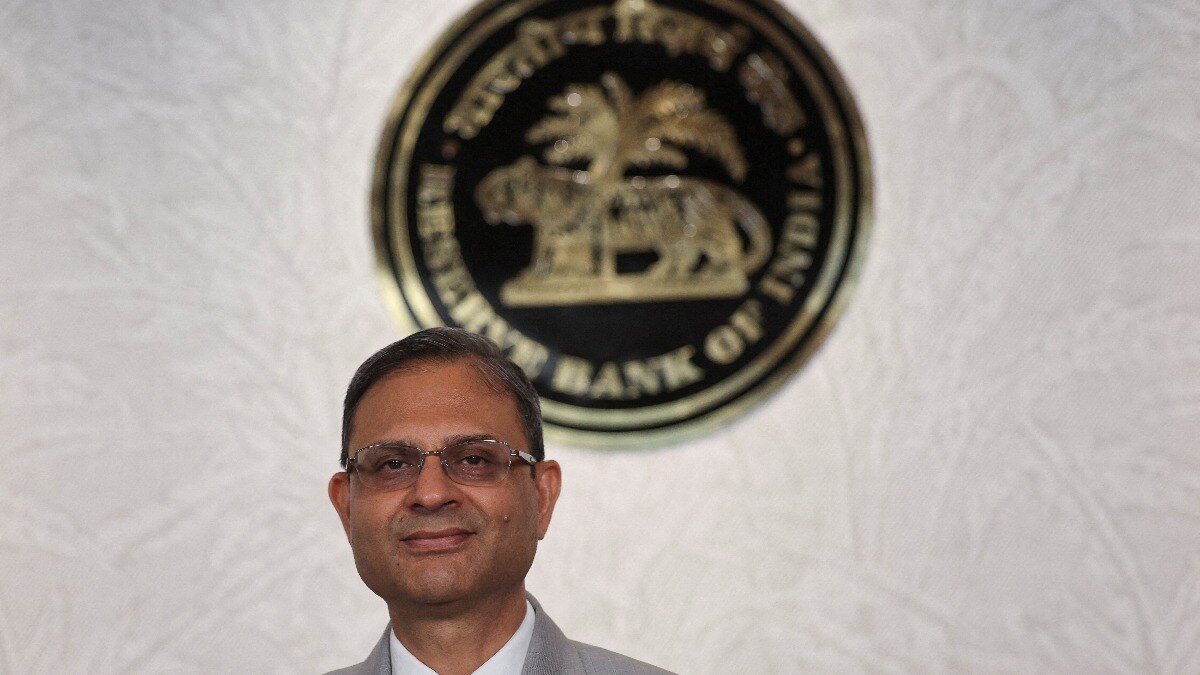
The Reserve Bank of India (RBI) has kept the repo rate unchanged, but Governor Sanjay Malhotra made it clear that one key risk continues to worry policymakers — El Nino. While inflation is expected to rise in the coming months before easing, the RBI believes uncertain weather conditions could affect both food prices and economic growth. The central bank has said it wants more clarity on inflation and the impact of the monsoon before taking any policy action. Read Full Story WHY IS EL NINO A CONCERN? Explaining the Monetary Policy Committee's decision, RBI Governor Sanjay Malhotra said the outlook remains uncertain because of several global and domestic risks. "The outlook, however, is hazy because of the uncertainties regarding southwest monsoon, El Nino, geopolitics, and global trade policy," he said. Although the RBI expects inflation to moderate after peaking later this financial year, weather-related risks remain a key concern. HOW CAN EL NINO AFFECT INFLATION? El Nino is a weather pattern that often leads to weak or uneven rainfall in India.
Poor rainfall can reduce agricultural output, affecting the supply of food items such as vegetables, cereals and pulses. Lower supply usually pushes up food prices, which then feeds into overall inflation. The RBI acknowledged that headline inflation has started moving higher, mainly because of food and fuel prices. "The higher inflation is mostly on account of food and fuel, with little signs of generalisation of price pressures so far," Governor Malhotra said. He added that while broader inflation remains under control, the central bank is closely watching whether higher food and fuel prices begin spreading across the economy. GROWTH OUTLOOK REMAINS POSITIVE, BUT RISKS REMAIN Despite global uncertainties, the RBI said India's economy continues to show resilience. According to the Governor, domestic demand remains strong, manufacturing and services are expanding steadily, and exports have been performing well. "Growth continues to be supported by the resilience of domestic demand, sustained expansion in manufacturing and services activity, and robust exports. It reaffirms India's position as the world's fastest-growing major economy," he said.
However, he cautioned that agriculture could face pressure if rainfall remains deficient or uneven. The Governor noted that "the prospects for agriculture are clouded by deficient and uneven monsoons amidst El Nino conditions." At the same time, he said normal reservoir levels and government measures such as crop diversification, climate-resilient farming and water conservation could help reduce the impact. RBI WANTS MORE CLARITY BEFORE CHANGING RATES The RBI has chosen to wait rather than rush into another rate move. Governor Malhotra said the central bank wants to better understand how inflation evolves over the coming months before taking any further action. "There is a need for greater clarity to emerge, especially regarding inflation, its path, and composition, before taking any policy action," he said. He added that any future decision on interest rates would depend on how both inflation and economic growth evolve. INFLATION EXPECTED TO RISE BEFORE EASING The RBI expects consumer price inflation to increase in the near term and peak during the third quarter of the current financial year, largely because of food and fuel prices.
 The BriefWire