RBI MPC keeps repo rate unchanged at 5.25%
The Reserve Bank of India (RBI) on Wednesday kept the benchmark repo rate unchanged at 5.25%, extending its pause for a fourth consecutive policy meeting.The
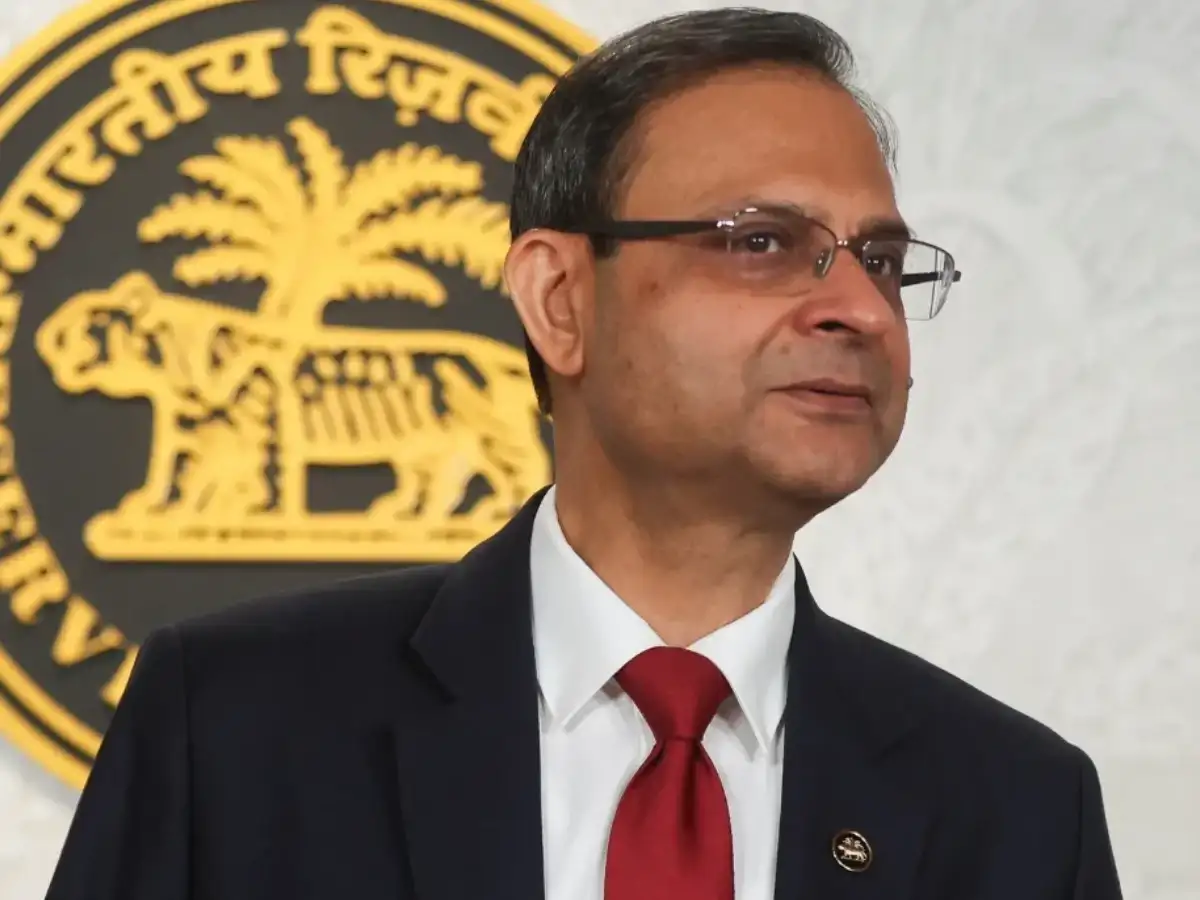
The Reserve Bank of India (RBI) on Wednesday kept the benchmark repo rate unchanged at 5.25%, extending its pause for a fourth consecutive policy meeting.The Monetary Policy Committee unanimously extended its wait and watch approach as policymakers continue to weigh persistent geopolitical uncertainties, volatile crude oil prices and emerging inflationary pressures against resilient domestic economic growth.The decision, announced by RBI Governor Sanjay Malhotra, marks another policy review since the RBI's last rate cut in December last year, with the central bank warning that global developments, particularly in West Asia, could complicate the inflation outlook.The si member MPC left the Standing Deposit Facility (SDF) rate unchanged at 5% and the Marginal Standing Facility (MSF) rate and Bank Rate at 5.5%.RBI MPC Live: Catch all the latest announcementsAlong with the policy decision, the RBI also announced to continue its neutral stance, while noting that core inflation, excluding precious metals, continues to be benign, as projected earlier.Headline inflation is expected to rise further in the near term, Malhotra said.The central bank had left the repo rate unchanged in June after raising its FY27 retail inflation forecast to 5.1% from 4.6%, citing higher input costs due to the pass-through of elevated global energy prices to petrol and diesel.
It had simultaneously lowered its FY27 GDP growth projection to 6.6% from 6.9%.Global uncertainty remains the key concernThe global backdrop remains uncertain, with recurring flare-ups in the West Asia conflict keeping markets on edge over the security of energy supplies.Apart from concerns around the Strait of Hormuz, policymakers have also been monitoring developments around the Bab el-Mandeb Strait and the Red Sea, both of which remain critical global shipping routes. Any disruption could increase freight costs and push up imported inflation.Crude oil prices have remained volatile amid geopolitical developments, although weaker Chinese crude demand and inventory drawdowns have moderated price pressures. Tariff-related uncertainties have also resurfaced globally, while several major central banks have been mulling policy tightening.Domestically, inflation risks have also increased. Food prices have started firming up due to seasonal factors and monsoon-related uncertainties, while economists continue to monitor the possibility of weather disruptions affecting agricultural output.Also Read: MPC's external members must have the courage to dissent, disagreement drives course correctionAt the same time, high-frequency indicators suggest domestic economic activity has remained resilient, with economists expecting India's GDP growth in the April-June quarter to remain in the 7.1-7.3% range.Analysts had largely pencilled in a pauseAhead of the policy decision, economists had overwhelmingly expected the MPC to maintain status quo, arguing that global uncertainty and inflation risks outweighed the case for any immediate policy action."The credit policy comes at a time when global uncertainty still exists and there is little clarity on when the war will end.
 The BriefWire