Could Buying Your Next Phone Or TV Via UPI Cost More? Why Govt Is Rethinking Free Payments
News explainers Could Buying Your Next Phone Or TV Via UPI Cost More? Why Govt Is Rethinking Free Payments Could Buying Your Next Phone Or
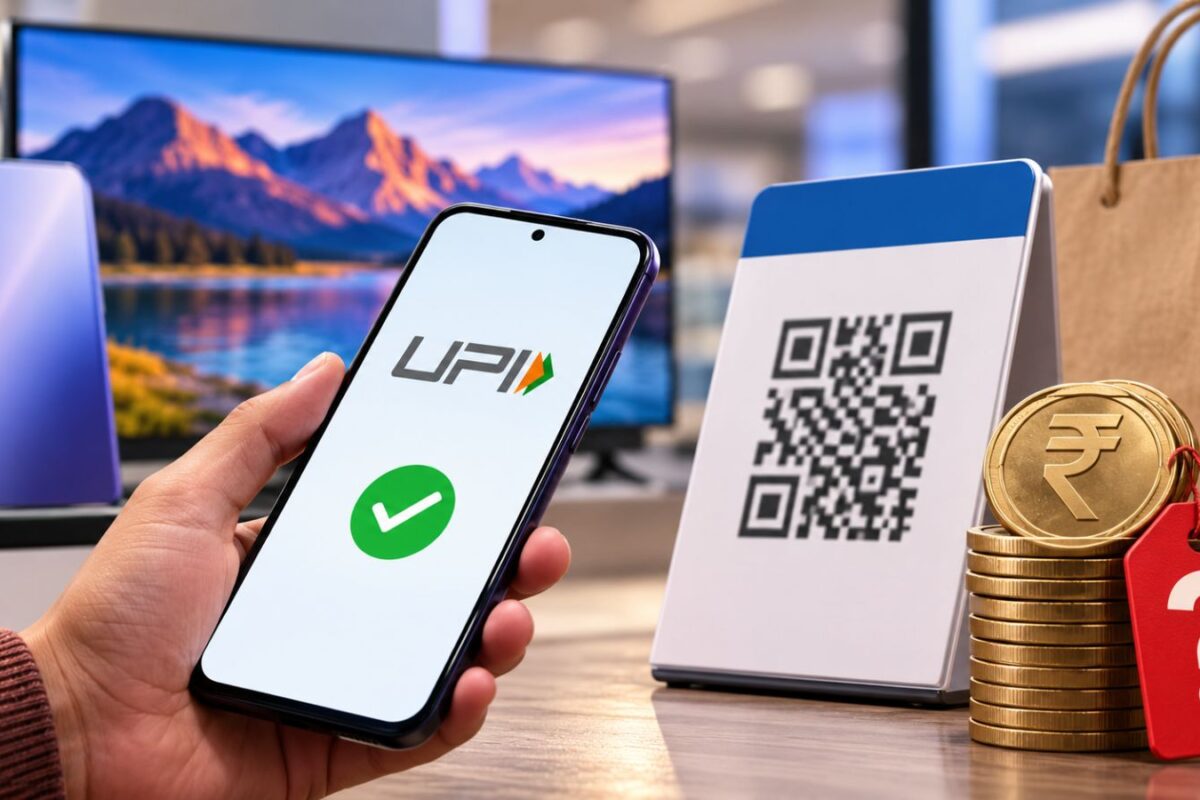
News explainers Could Buying Your Next Phone Or TV Via UPI Cost More? Why Govt Is Rethinking Free Payments Could Buying Your Next Phone Or TV Via UPI Cost More? Why Govt Is Rethinking Free Payments Published By, Last Updated: August 05, 2026, 08:54 IST The government is reportedly examining a proposal to allow banks and payment service providers to levy a Merchant Discount Rate (MDR) on merchant UPI transactions above Rs 2,000 Rapid Read Every transaction may be free for users, but it isn't free to process. (AI-Generated Image) Buying a new smartphone, television or refrigerator with UPI could soon cost merchants a little more, and that may eventually affect consumers too. The Centre is reportedly considering allowing a Merchant Discount Rate (MDR) on UPI payments above Rs 2,000 made to businesses, ending years of zero-charge digital payments for certain transactions. While the proposal is still under discussion, it has raised questions about whether India’s free UPI era is beginning to change and what it could mean for shoppers. What Is The Government Considering? According to reports, the government is examining a proposal to allow banks and payment service providers to levy a Merchant Discount Rate (MDR) on merchant UPI transactions above Rs 2,000.
The proposal does not apply to person-to-person (P2P) transfers, meaning sending money to friends or family would continue to remain free. The charge, if approved, would be paid by merchants, not directly by customers. What Is MDR? Merchant Discount Rate (MDR) is a fee that merchants pay to banks and payment service providers whenever customers make digital payments. For years, merchants have paid MDR on credit card payments, debit card transactions, and wallet payments. However, in January 2020, the government abolished MDR on UPI and RuPay debit card transactions to encourage digital payments across the country. That move helped accelerate UPI adoption, particularly among small businesses. Why Is The Government Rethinking It Now? UPI has become the world’s largest real-time payments system. Every transaction may be free for users, but it isn’t free to process. Banks, payment aggregators and fintech companies bear costs related to maintaining payment infrastructure, cybersecurity and fraud prevention, technology upgrades, settlement systems, and customer support. Industry players have long argued that the absence of MDR has made it difficult to recover these costs, especially as transaction volumes continue to surge.
While the government provides incentives to support the ecosystem, banks and fintech firms say those subsidies are not enough to ensure long-term sustainability. Will Customers Have To Pay? Not directly. MDR is charged to merchants, not customers. However, businesses could choose to absorb the cost or pass some of it on through higher prices, especially for high-value purchases where margins are thin. Whether consumers ultimately feel the impact would depend on how individual merchants respond. Who Could Be Affected? If implemented as proposed, the move is expected to affect electronics retailers, jewellery stores, furniture outlets, large supermarkets, and businesses handling high-value transactions. Smaller merchants accepting lower-value payments may continue to enjoy zero MDR if the threshold remains at Rs 2,000. Why The Rs 2,000 Threshold? The proposed threshold appears designed to strike a balance. The government wants to preserve the convenience of free digital payments for everyday purchases while allowing the industry to earn revenue from larger commercial transactions that involve higher processing costs. Most day-to-day UPI payments, such as tea, groceries, taxis and food deliveries, are typically below Rs 2,000. Will UPI Stop Being Free?
 The BriefWire