SC Judge Flags Risks From 'Digital Mobs' On Social Media, Terms It 'Hydra-Headed'
News india SC Judge Flags Risks From 'Digital Mobs' On Social Media, Terms It 'Hydra-Headed' SC Judge Flags Risks From 'Digital Mobs' On Social Media
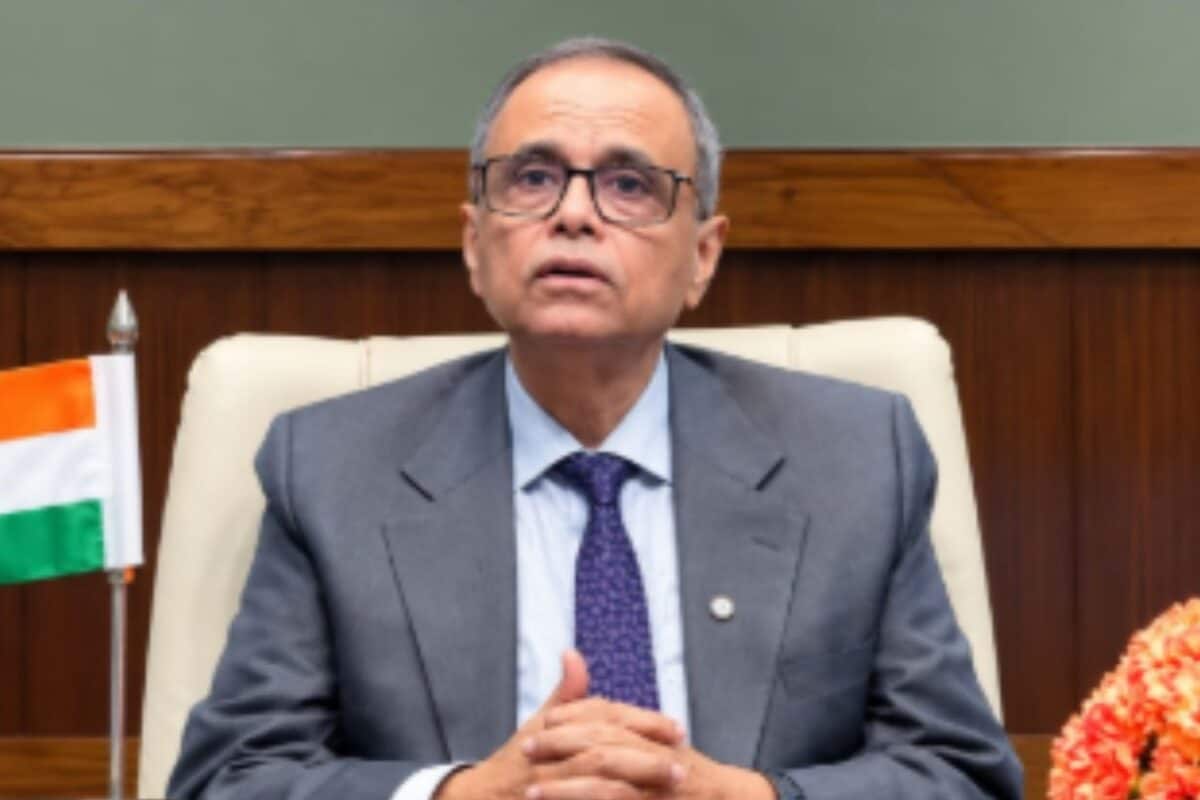
News india SC Judge Flags Risks From 'Digital Mobs' On Social Media, Terms It 'Hydra-Headed' SC Judge Flags Risks From 'Digital Mobs' On Social Media, Terms It 'Hydra-Headed' Published By, Last Updated: August 05, 2026, 07:06 IST Justice Joymalya Bagchi spoke on the risks of social media's potential of spreading misinformation and fueling media trials. He called for digital intermediaries to be more active. Rapid Read Supreme Court justice Joymalya Bagchi has claimed that social media mobs demonise judges. (Representational image) Supreme Court Justice Joymalya Bagchi has flagged misinformation on social media as a major threat to judicial independence. He said algorithm-driven platforms are shaping public opinion in ways that put growing pressure on judges and called these platforms “hydra-headed". He noted that falsehoods now spread faster than corrections, while online outrage and media trials are creating unprecedented challenges for the judiciary. Hydra is a Greek mythological creature which has the ability to grow two new heads every time one is cut off.
He stressed that “digital intermediaries" must take primary responsibility to curb the spread of false information. “Such entities which are significant reservoirs of power cannot plead that they are only a media," he said, as quoted in a NDTV report. Speaking at the fifth Justice HR Khanna Memorial Symposium on August 1, Justice Bagchi warned against the growing influence of online validation. “Dispassionate adjudication is being auctioned on the alter of ‘likes’… Guilt manufactured online brands the acquitting judge as having erred for being fair," he said. Highlighting the speed of misinformation, he added, “A clip uploaded on one platform regrows on many. Misinformation outruns the correction. Article 121 silences even parliament from discussing a judge’s conduct. Yet the digital public square tries him daily." Justice Bagchi pointed out that while live-streaming of court proceedings has improved transparency, it has also created new risks. Short clips are often shared without context, and oral remarks by judges are mistaken for final rulings.
This, he said, can distort public understanding of judicial processes. He rejected the idea of judges responding on social media to clarify such distortions. He highlighted the importance of restraint and neutrality, which are central to judicial conduct. He also cautioned that turning courts into platforms through excessive live-streaming may encourage performative behaviour. According to him, judges must resist both the fear of the “digital mob" and the lure of online praise. While new media may not directly punish judges, it can subtly influence them through approval and popularity. Justice Bagchi also raised concerns about “media trials," saying that while press freedom is essential, it cannot be used to declare someone guilty before a court delivers its verdict. He further highlighted the role of Big Tech algorithms in amplifying sensational content, which can skew public perception against the judicial process. On reforms, he suggested that live-streaming should not be mandatory in every case.
 The BriefWire