No insurance, no fuel? Supreme Court proposes pilot project at petrol pumps
The Supreme Court has proposed a major crackdown on vehicles being driven without valid insurance, asking the Insurance Regulatory and Development Authority of India (IRDAI)
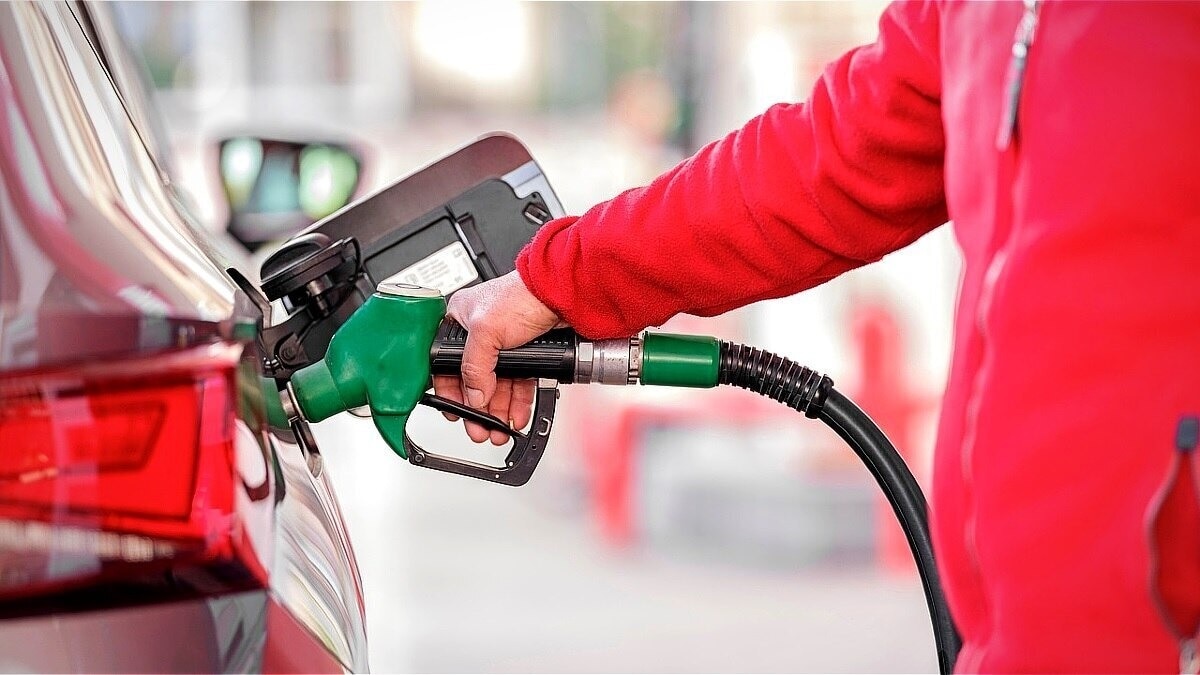
The Supreme Court has proposed a major crackdown on vehicles being driven without valid insurance, asking the Insurance Regulatory and Development Authority of India (IRDAI) and the Ministry of Road Transport and Highways to prepare a pilot project that could see petrol pumps check a vehicle's insurance before supplying fuel. Under the proposed system, vehicles without valid insurance could be denied petrol or diesel until the required cover is obtained. Read Full Story The move is part of a wider set of road safety measures proposed by the court, including linking automatic number plate recognition (ANPR) cameras with vehicle and insurance databases, giving traffic police mobile tools to check insurance instantly and extending the mandatory third-party insurance period for newly purchased vehicles. NO INSURANCE, NO FUEL PILOT The court has asked IRDAI and the road transport ministry to work on a pilot project that would allow petrol pumps to verify whether a vehicle has valid insurance before dispensing fuel.
If the vehicle is found to be uninsured, the proposed system could allow fuel stations to refuse the supply of petrol or diesel. The measure is aimed at increasing compliance with mandatory motor insurance rules and making it harder for uninsured vehicles to remain on the roads. The proposal is a pilot project and does not mean that petrol pumps across the country will immediately start refusing fuel to uninsured vehicles. ANPR CAMERAS TO BE LINKED TO INSURANCE DATA The Supreme Court has also proposed linking ANPR cameras installed on highways and roads with the VAHAN vehicle database and insurance databases. The system could automatically identify vehicles without valid insurance and generate e-challans against them. ANPR cameras are already used in several places to detect traffic violations such as speeding, jumping red lights and driving on the wrong side of the road. Linking them with insurance records could extend their use to identifying uninsured vehicles.
POLICE TO GET MOBILE INSURANCE CHECKS Traffic police could also be provided with mobile applications or handheld devices to check a vehicle's insurance status instantly during roadside inspections. The proposed devices would be linked to relevant vehicle and insurance databases, allowing officers to verify whether a vehicle has valid cover without relying on physical insurance documents. LONGER INSURANCE COVER FOR NEW VEHICLES The court has also proposed extending the mandatory third-party insurance period for newly purchased vehicles. For new private cars, the compulsory third-party insurance period would increase from three years to four years. For new two-wheelers, the period would rise from five years to six years. The move is aimed at reducing the number of vehicles that become uninsured after their initial insurance period expires. WHY THE COURT IS PUSHING FOR TIGHTER CHECKS The court has taken a wider view of the problem of uninsured vehicles, with the proposed measures aimed at ensuring that mandatory third-party insurance requirements are actually followed.
 The BriefWire