New Birth And Death Registration Rules Explained: What Changes For You
News india New Birth And Death Registration Rules Explained: What Changes For You New Birth And Death Registration Rules Explained: What Changes For You Published
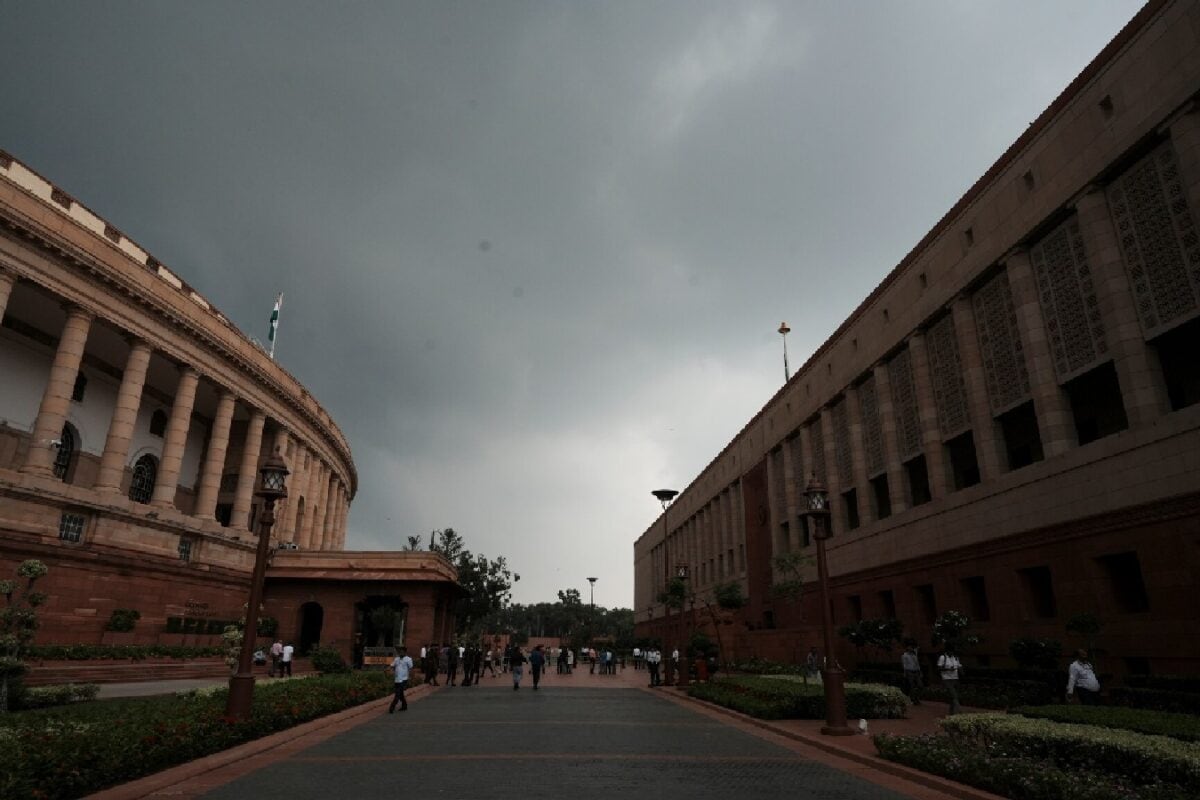
News india New Birth And Death Registration Rules Explained: What Changes For You New Birth And Death Registration Rules Explained: What Changes For You Published By, Last Updated: August 04, 2026, 20:37 IST New birth and death registration rules bring stricter checks for delayed certificates. Here's what changes after Parliament passed the 2026 amendment bill. He said the Modi government was committed to ensuring that every child born in the country was registered and that every death was recorded so that deceased persons did not continue as "ghost voters" benefiting parties pursuing "appeasement politics". (IMAGE: PTI file) Parliament passed the Registration of Births and Deaths (Amendment) Bill, 2026, bringing stricter rules for delayed registration of births and deaths. The amendment changes Section 13(3) of the Registration of Births and Deaths Act, 1969, and introduces a new approval system based on how long the registration has been delayed. The government says the move is aimed at preventing misuse of delayed birth and death certificates, improving record accuracy and ensuring greater legal scrutiny. Replying to the debate amid continued slogan-shouting by Opposition members in Rajya Sabha, Minister of State for Home Nityanand Rai said several members had explained the importance of the proposed legislation and urged the Opposition to understand its purpose.
He said the Modi government was committed to ensuring that every child born in the country was registered and that every death was recorded so that deceased persons did not continue as “ghost voters" benefiting parties pursuing “appeasement politics". “The Congress cheated this country through birth and death registration," he alleged. What Changes After The 2026 Amendment? Earlier, if a birth or death was reported after a delay of more than one year, registration could be done with the approval of an Executive Magistrate, such as a District Magistrate or Sub-Divisional Magistrate, after verification and payment of a prescribed fee. The 2026 amendment introduces a two-level system for delayed registrations. Delay Between One Year And Two Years If a birth or death is reported after more than one year but within two years, registration can be approved by District Magistrate (DM) Sub-Divisional Magistrate (SDM) An authorised Executive Magistrate The officer will have to verify the details before granting approval. 2. Delay Of More Than Two Years If the registration is delayed by more than two years, the process will become stricter. Such cases will now require an order from a Judicial Magistrate of the First Class.
 The BriefWire