Iran war depletes US missile stocks, raises concerns over readiness for China
US Army has used up most of its long-range precision missile stockpiles in the Iran war, raising concerns over readiness for potential conflicts with China
US Army has used up most of its long-range precision missile stockpiles in the Iran war, raising concerns over readiness for potential conflicts with China, Reuters report. Missile stocks become a concern as war prolongs The US Army has used up most of its stockpile of long-range precision missiles as per an exclusive report by Reuters citing three people familiar with the data. This reporting has raised serious concerns as to whether the US has military preparedness for conflict with countries like China.The weapons in question are primarily the Army Tactical Missile System (ATACMS) and the newer Precision Strike Missile (PrSM), two land-based systems designed to hit targets accurately from long distances. Two sources told Reuters that the military had used "virtually all" of its stock of the missiles, although they declined to disclose how many remain.A fourth source said US Central Command, which oversees American military operations in the Middle East, had nearly exhausted the land-based missiles available to it when the war began. However, the command has been able to replenish its supplies by drawing weapons from US military stocks elsewhere in the world.The depletion has sparked concern because the missiles could be particularly valuable in a conflict with countries such as China, whose advanced air-defence systems could make conventional air attacks more difficult.
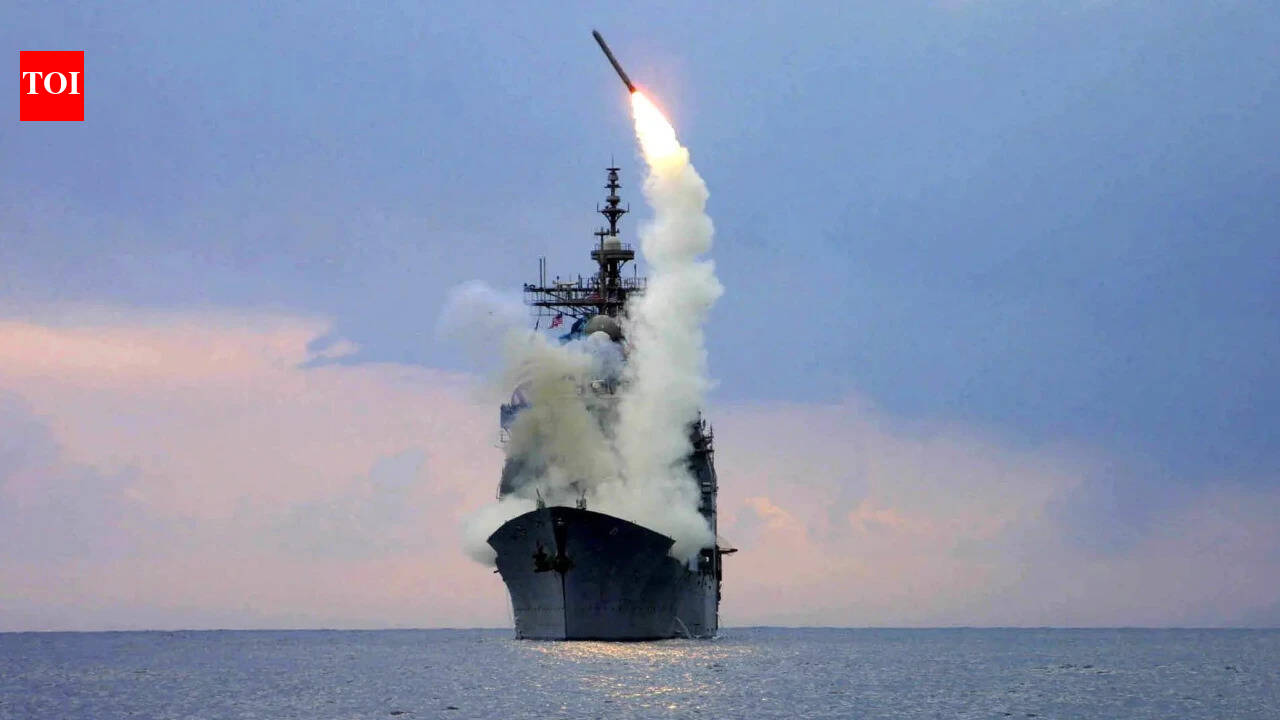
ATACMS have also been supplied to Ukraine and used to strike targets inside Russia.The issue has become more pressing as the conflict has continued far beyond the short war initially envisaged by President Donald Trump when the US launched its campaign alongside Israel in February.Three people familiar with the situation told Reuters that officials have been debating how long Washington can continue its operations against Iran without reducing weapons stocks to levels that could constrain America's ability to respond to another crisis.One source said the heavy use of ATACMS and PrSM reflected the administration's preference for attacking Iranian targets from a distance rather than taking the greater risks involved in sending manned aircraft into heavily defended areas.US officials have also faced concerns over supplies of defensive weapons. Two sources said military leaders had warned Trump that stocks of systems including Patriot interceptors were falling. A recent assessment by the Center for Strategic and International Studies estimated that the US had used about 65% of its Patriot interceptors between February and July, while its stock of THAAD ballistic-missile interceptors had fallen by at least 38%.Reuters said its own reporting could not independently verify those figures, though two sources said they were consistent with internal US data.The US has also used just under half of its global Tomahawk cruise-missile stockpile since the beginning of the war, according to one source cited by Reuters.
 The BriefWire