India's Global Hunt Brings Back 274 Fugitives From 36 Countries Since 2019
News india India's Global Hunt Brings Back 274 Fugitives From 36 Countries Since 2019 India's Global Hunt Brings Back 274 Fugitives From 36 Countries Since
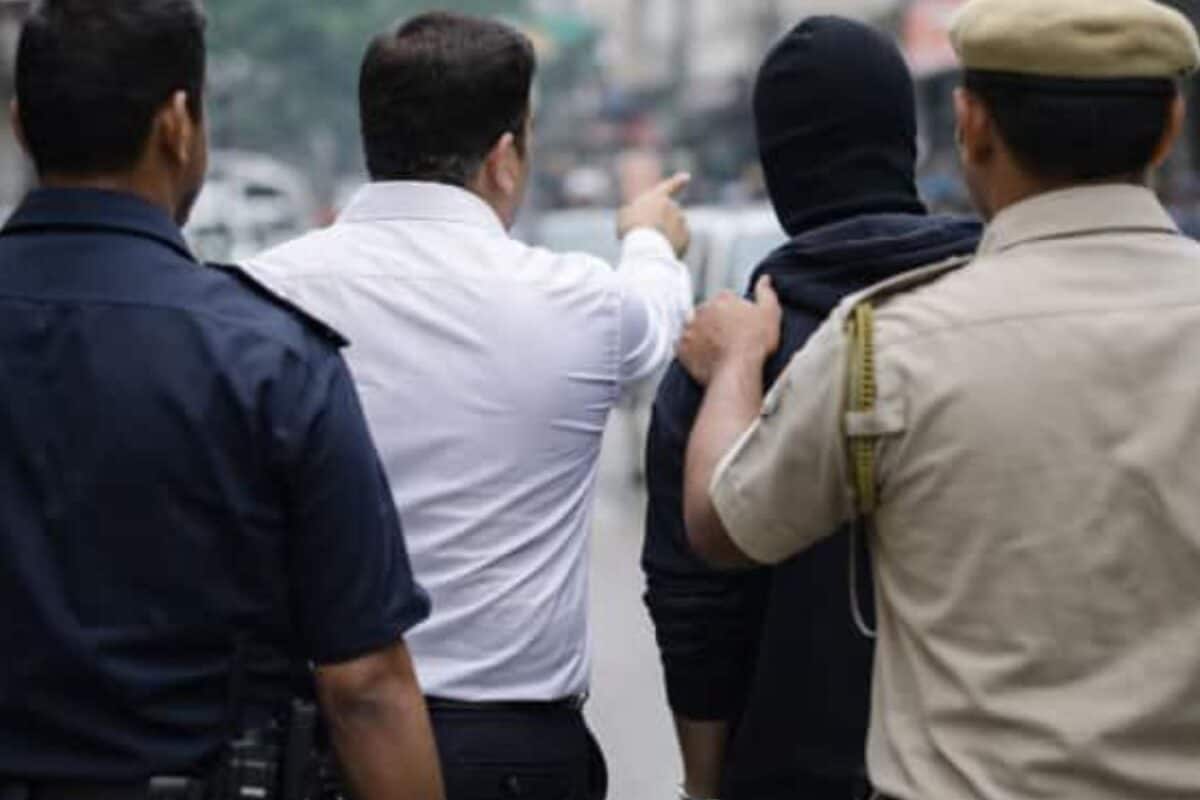
News india India's Global Hunt Brings Back 274 Fugitives From 36 Countries Since 2019 India's Global Hunt Brings Back 274 Fugitives From 36 Countries Since 2019 Published By, Last Updated: August 04, 2026, 19:34 IST The Centre said India has brought back 274 fugitive criminals from 36 countries since 2019, citing stronger extradition laws, global cooperation and technology-led investigations. Rapid Read News18 India has brought back 274 fugitive criminals from 36 countries between 2019 and July 2026, the Centre said on Tuesday, attributing the development to measures taken under the leadership of Prime Minister Narendra Modi and the guidance of Union Home Minister Amit Shah. According to a statement issued by the Press Information Bureau (PIB), the government has adopted an integrated, intelligence-led and technology-driven approach to trace and extradite fugitives. It said the strategy is based on three pillars global operations, robust coordination and smart diplomacy. The government described fugitive criminals as a threat to the country’s sovereignty, economic stability, law and order, and national security, and said extradition has been treated as a “national priority". Centre Compares Extradition Record With Previous Governments The PIB statement said that before 2014, India’s extradition framework was limited, with treaties in place with only 37 countries and no dedicated law to deal with economic fugitives or confiscate their assets. It said India secured the extradition of only four fugitives annually on average between 2004 and 2013, while 110 extradition requests remained pending. The statement attributed the delays to incomplete documentation, slow processing, legal hurdles, and lack of coordination among agencies.
Legal Changes Strengthened Extradition Framework The Centre said the Fugitive Economic Offenders Act, 2018 laid the foundation for stronger action against economic offenders. It added that the Investigation Agency (Amendment) Act and the Unlawful Activities (Prevention) Amendment Act, enacted in 2019, expanded the scope of action against individual terrorists, handlers, funding networks and support systems operating from abroad. The statement also highlighted the three new criminal laws implemented in 2024. It said Sections 355 and 356 of the Bharatiya Nagarik Suraksha Sanhita (BNSS) introduced provisions for trial in absentia, allowing judicial proceedings to continue even if an accused fugitive remains outside the country. BHARATPOL, INTERPOL Coordination Boosted Tracking The government said India hosted the 90th Interpol General Assembly in 2022, where Amit Shah emphasised communication, collaboration and cooperation in global policing. It said BHARATPOL, launched in January 2025, connected more than 1,400 State and Central agencies with INTERPOL through a unified platform, significantly improving information sharing. According to the PIB, agencies now generally share information sought by the CBI within 10 to 20 days, and in some cases within 3 to 10 days, reducing delays in investigations and extradition proceedings. The government also said the CBI established a Special Global Operations Centre and designated INTERPOL Contact Officers in every state and central investigating agency to strengthen international coordination. Red Corner Notices and Operation Trishul The statement said there has been a sharp rise in the number of INTERPOL Red Corner Notices issued against fugitives. According to the government, 40 notices were issued in 2022, 100 in 2023, 107 in 2024, 112 in 2025, and 182 have been issued so far in 2026.
 The BriefWire