Scientists find slugs, beetles and crabs help spread seeds for 186 plant species
How beetles and crabs help forests spread seeds A secret network of seed dispersers What the scientists discovered 43 peer-reviewed scientific studies documented internal seed
How beetles and crabs help forests spread seeds A secret network of seed dispersers What the scientists discovered 43 peer-reviewed scientific studies documented internal seed dispersal by at least 51 invertebrate species and 186 plant species. Why seeds have to travel through the gut Plants may be tuned to miniature helpers If we go by the scientists, the review highlights the concept of invertebrate endozoochory syndrome, which is one of the most interesting ideas. Small animals, big ecological footprint Forest conservation reconsidered When we think about how forests grow and regrow, we often think about colorful birds carrying berries or monkeys dropping fruit seeds. For a long time, these animals have been known as nature's seed dispersers, carrying seeds far from the parent plant and helping forests grow. But beneath the forest floor another team of hard-working helpers has been quietly doing the same job for millions of years. Tiny ground-dwelling invertebrates are emerging as unlikely allies in forest regeneration, from modest earthworms and slugs to beetles, crickets and even freshwater crabs. Though often ignored due to their small size, these beings play a key role in helping plants reproduce and sustaining biodiversity.A new review by researchers from the School of Biological Sciences at The University of Hong Kong (HKU) published by Phys Org, suggests that these small animals contribute much more to seed dispersal than we previously believed.
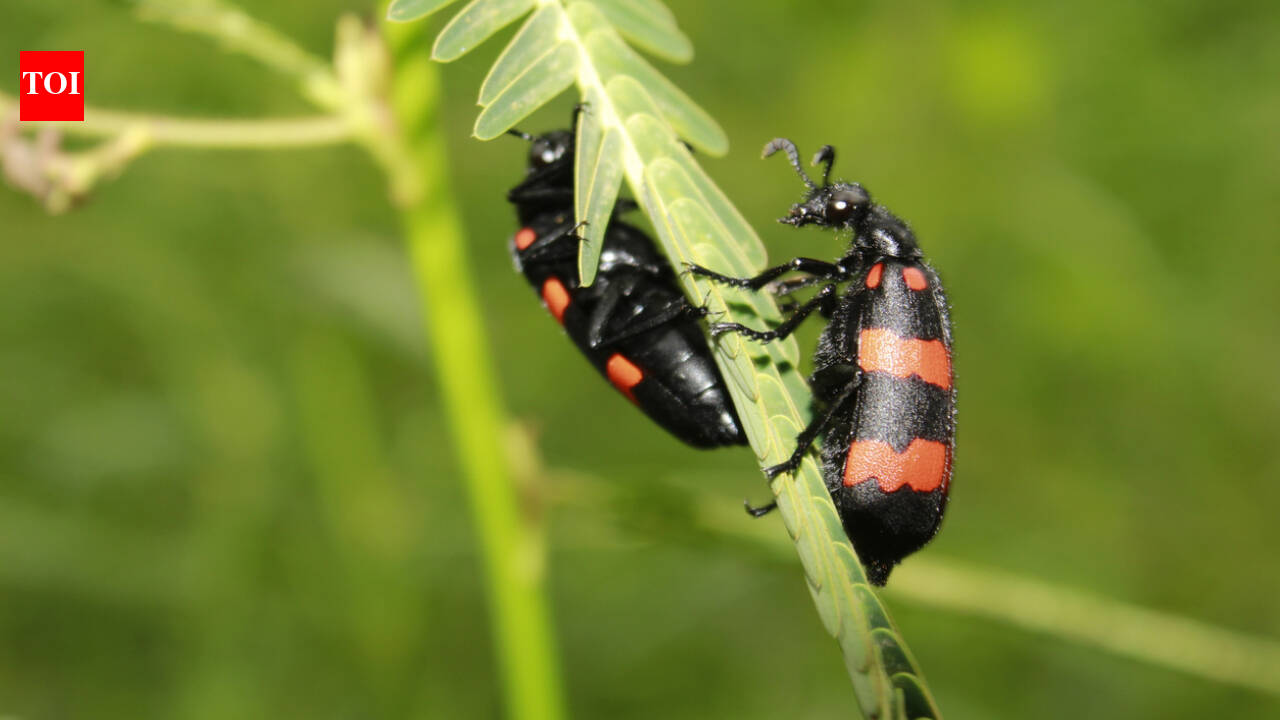
The researchers, by pooling together evidence from studies worldwide, argue that invertebrates should be given more recognition in ecological research and conservation planning.According to scientists, seed dispersal is one of the most critical processes in nature.Plants rely on animals, wind or water to disperse their seeds away from the parent plant, decreasing competition for sunlight, water and nutrients whilst increasing the chance of successful germination. Most scientific research has so far concentrated on birds and mammals because they can carry seeds over long distances after eating fruits. But the new review highlights another important mechanism, called invertebrate endozoochory. This occurs when small invertebrates ingest whole seeds that pass through their digestive systems undamaged. Later, the seeds are deposited elsewhere, where they are still able to germinate. This kind of seed dispersal is likely to be widespread across a range of ecosystems, rather than isolated observations, the review suggests.In this new research, the review was led by Professor Si-Chong Chen of HKU and involved scientists from the Chinese Academy of Sciences, Durham University in the United Kingdom and Kobe University in Japan, where the team looked at the results of 43 peer-reviewed scientific studies that documented internal seed dispersal by at least 51 invertebrate species and 186 plant species. The evidence came from ecosystems in Oceania, Asia, Europe and North America. The study highlights that scientists found that many small animals, like slugs, earthworms, beetles, crickets and freshwater crabs, often eat the seeds and then defecate them in suitable places to grow.
 The BriefWire