Bihar Was Looking For A New Leader After Lalu & Nitish. Not Tejashwi Yadav, Prashant Kishor Stepped Forward
News explainers Bihar Was Looking For A New Leader After Lalu & Nitish. Not Tejashwi Yadav, Prashant Kishor Stepped Forward Bihar Was Looking For A
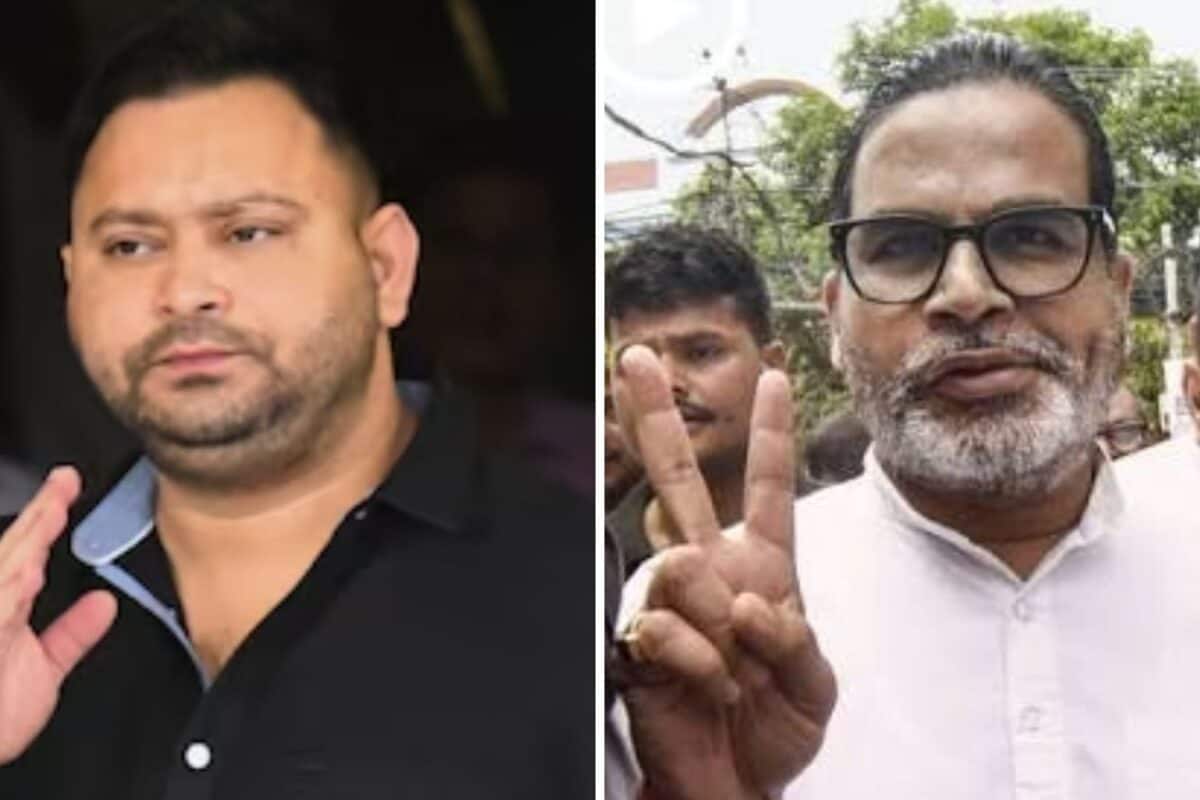
News explainers Bihar Was Looking For A New Leader After Lalu & Nitish. Not Tejashwi Yadav, Prashant Kishor Stepped Forward Bihar Was Looking For A New Leader After Lalu & Nitish. Not Tejashwi Yadav, Prashant Kishor Stepped Forward Written By, Last Updated: August 04, 2026, 17:21 IST Not BJP, Tejashwi Yadav Biggest Loser In Bankipur: While Prashant Kishor broke BJP's 31-year dominance in seat, political survival of RJD is under direct threat from JSP Rapid Read Tejashwi Yadav (left), Prashant Kishor. Prashant Kishor’s historic victory in the Bankipur assembly bypoll is a strong warning sign for Tejashwi Yadav because it positions the Jan Suraaj Party (JSP) as the primary challenger to the ruling Democratic Alliance (NDA), say experts. While the loss breaks a 31-year dominance for the Bharatiya Janata Party (BJP) in the urban seat, the long-term political survival of the Rashtriya Janata Dal (RJD) is under more direct threat. DISRUPTION OF THE OPPOSITION SPACE The RJD slipped to a distant third place, despite being the runner-up in the 2025 Assembly election. Rekha Gupta, the RJD candidate, secure with 29.55% of votes in 2025, dropped so low that she lost her security deposit. Disillusioned voters seeking an alternative to the NDA are gravitating toward Kishor instead of Yadav. Reports and field feedback indicate that Muslim voters consolidated behind Kishor’s Jan Suraaj Party, viewing him as a more capable challenger to the BJP than the RJD. The core Muslim-Yadav (MY) vote bank, which held strong at 70–74% during the 2025 general assembly election, showed clear signs of splitting.
BIHAR’S LEADERSHIP VACUUM For over three decades, Bihar’s politics revolved around three forces: Nitish Kumar, Lalu Prasad Yadav, and the BJP. With Nitish Kumar’s declining political dominance and eventual exit from active chief ministerial duties, a severe leadership vacuum emerged. While Rashtriya Janata Dal (RJD) leader Tejashwi Yadav was positioned as the natural heir to fill this void, his inability to transcend traditional boundaries left a critical opening. Voters—particularly women and the youth (Gen Z)—increasingly grew fatigued by decades of stagnation, lack of industrial development, poor educational infrastructure, and systemic migration. They began looking for a progressive alternative focused on development rather than repetitive identity politics. Capitalising on this stagnation, Prashant Kishor (PK) and his Jan Suraaj Party stepped directly into the breach, fundamentally disrupting the state’s political discourse. HOW TEJASHWI YADAV FAILED TO FILL THE VOID Despite being the most prominent face of the opposition and leading high-profile campaigns, Tejashwi Yadav failed to solidify his position as Bihar’s definitive future leader due to several critical missteps Reliance on Legacy Over Merit: Tejashwi’s authority stems almost entirely from his lineage as Lalu Prasad Yadav’s son. This dynastic branding became an easy target for opponents. Vulnerability to “Competence" Attacks: Kishor and the NDA systematically dismantled Tejashwi’s credibility by constantly highlighting his educational background (calling him a “9th-fail" leader). This effectively framed him as unequipped to lead a complex state economy. Failure to Outgrow Caste Politics: Tejashwi remained heavily reliant on the RJD’s traditional Muslim-Yadav (MY) vote bank.
 The BriefWire