When VIPs move, Delhi waits. Nobody keeps count
You know the moment. You are already late. The signal turns green, but traffic does not move. Somewhere ahead, a convoy is passing. Sirens wail
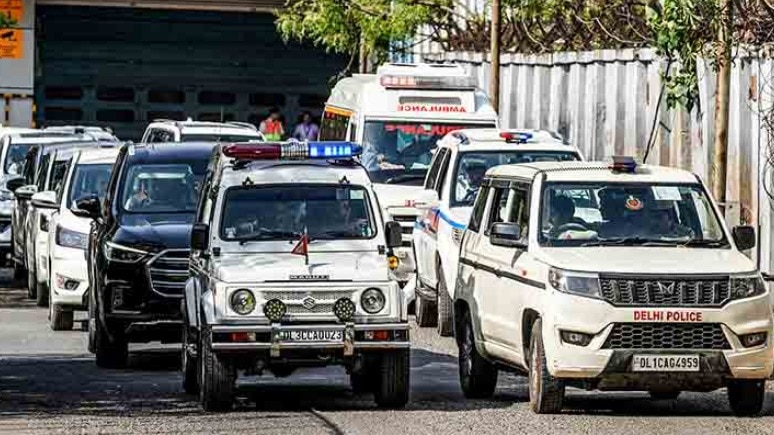
You know the moment. You are already late. The signal turns green, but traffic does not move. Somewhere ahead, a convoy is passing. Sirens wail, police personnel manage the intersections, and what should have been a two-minute wait can sometimes stretch much longer. Ambulances may be caught in the queue. Schoolchildren wait inside buses. For commuters trying to reach work, catch a flight or get to a hospital, a traffic hold-up for a motorcade can mean an uncertain wait. Read Full Story But how often does this happen? What rules govern such traffic restrictions? And does anyone keep track of their impact on the public? India Today sought answers from Delhi Police through two separate Right to Information (RTI) applications. The responses, however, leave several of those questions unanswered. TRAFFIC DISRUPTIONS WITH LITTLE DATA The first set of questions was straightforward. Who is entitled to VIP treatment on Delhi's roads? What rules determine when traffic can be stopped? How often has traffic been restricted for such movements since 2020? And has the impact of these disruptions on ordinary commuters ever been assessed?
The responses from Delhi Police provided little clarity. Two traffic offices said the questions did not pertain to them and transferred the application. On one specific question — complaints from the public regarding disruptions caused by VIP movements — both said no such records were maintained. That leaves a gap in publicly available information. Moreover, Delhi Police did not provide a list of those who qualify as VIPs or VVIPs, nor did the responses include written guidelines governing traffic restrictions during such movements. No data was provided on the duration of traffic stoppages, and no study assessing their impact on commuters was shared in response to the RTI seeking records covering five years. FOLLOWING THE MONEY The second RTI application focused on expenditure. India Today asked how much Delhi Police had spent on hiring vehicles for VIP security and sought details about vehicles purchased for the 2023 G20 Summit and their subsequent allocation. The response provided some financial data, but other questions remained unanswered. Delhi Police's security wing said financial records from before 2020 had been destroyed.
As a result, expenditure details for the earlier years covered by the query were unavailable. The RTI response did not specify the reason for the destruction of those records. For the years for which figures were available, spending on hired vehicles varied sharply. Expenditure rose from Rs 1.43 crore in 2021-22 to Rs 23.13 crore in 2022-23 — an increase of more than 16 times in a year. It subsequently declined to Rs 16.89 crore, then to Rs 2.05 crore, before falling to zero this year. The RTI response did not explain the reasons for these fluctuations. Together, expenditure over the four years amounted to more than Rs 43 crore. These figures relate to vehicles hired by Delhi Police rather than vehicles owned by the force. Questions surrounding vehicles purchased for the G20 Summit produced less clarity. According to a PTI report dated December 5, 2023, Delhi Police purchased 850 new vehicles ahead of the summit. After the event, 400 were allocated to the Police Control Room, 150 to the security unit and 300 were distributed among police districts across the city.
 The BriefWire