As Mohan Bhagwat Reaches Out To Gen Z, Sangh Reframes CJP Protest
As Mohan Bhagwat Reaches Out To Gen Z, Sangh Reframes CJP Protest Written By, Edited By Last Updated: August 04, 2026, 13:02 IST RSS frames
As Mohan Bhagwat Reaches Out To Gen Z, Sangh Reframes CJP Protest Written By, Edited By Last Updated: August 04, 2026, 13:02 IST RSS frames the debate as a wider conversation on student mobilisation, nationalism and building the citizenry it says is essential for 'Viksit Bharat' Rapid Read Sangh is now attempting to ensure that the narrative around the protests is contested not only in the political arena, but also in the larger ideological space. That shift became evident in Chhatrapati Sambhajinagar, where RSS’ joint general secretary Atul Limaye described the agitation as not merely an anti-BJP or anti-government protest but as a movement that had become a “weapon against the Constitution" and was “against the nation". The choice of words marks one of the Sangh’s strongest ideological interventions since the protests gathered momentum. By moving the argument beyond electoral politics, the RSS is signalling that it views the issue as part of a larger ideological contest rather than just a conventional confrontation between the government and its critics or a mere political event.
Beyond ‘Anti-Government’ Politics Limaye’s remarks reflect a broader attempt within the Sangh ecosystem to frame the protests through the prism of national interest rather than partisan or opposition politics. The emphasis is no longer on whether the agitation targets the BJP-led government, or the issues, but on whether such movements, in the RSS’s view, weaken constitutional institutions and India’s national resolve. The intervention also dovetails with the message emerging from the Akhil Bharatiya Vidyarthi Parishad (ABVP), the RSS’s student affiliate. Following its central working committee meeting in Ernakulam, ABVP issued a statement on Monday backing students’ movement against question paper leaks in JPSC, KPSC, BPSC and Punjab recruitment examinations, and called for wider societal and organisational participation. “We will also submit comprehensive recommendations to the high-powered committee for a fair, transparent and credible examination system," said Virendra Singh Solanki, national general secretary, ABVP. Together, the messaging suggests a calibrated effort to shift the discourse from governance and policy disagreements to larger questions of nationalism and ideological orientation. The Youth Narrative Meanwhile, on August 6, RSS chief Mohan Bhagwat is scheduled to interact with nearly 2,000 school students in Mumbai in a programme focused on Gen Z and Gen Alpha.
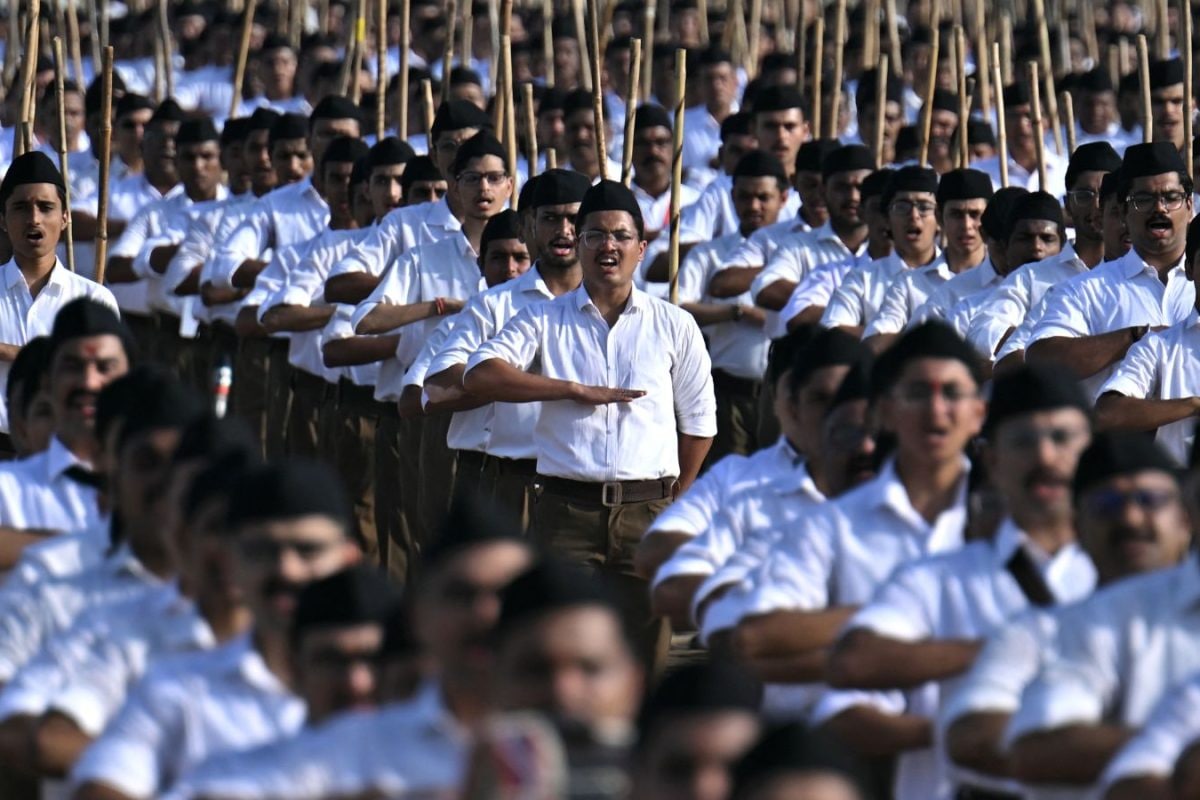
The interaction is expected to centre on the aspirations, challenges and values of India’s emerging generations. The timing is significant. The event is part of the Sangh’s continuing outreach to younger Indians, an area it has increasingly prioritised amid changing social media ecosystems and evolving political discourse. In recent years, the RSS has sought to engage with young audiences not merely through organisational expansion but by shaping conversations around identity, citizenship and national development. Seen together, Limaye’s crucial and rare intervention and Bhagwat’s forthcoming interaction underline a consistent message. While one responds directly to a contentious political issue, the other seeks to articulate the Sangh’s broader vision for India’s youth. The strategy is to ensure that the debate does not remain restricted to the immediate political flashpoint. Instead, the RSS is projecting it as part of a wider ideological conversation, one that links student mobilisation to questions of nationalism, constitutional values and the kind of citizenry it believes is necessary for their idea of ‘Viksit Bharat’. In doing so, the Sangh is now attempting to ensure that the narrative around the protests is contested not only in the political arena, but also in the larger ideological space where it has traditionally sought to shape public opinion.
 The BriefWire