Bankipur Result: Is Tejashwi Becoming Bihar's 'Mayawati'? How PK Flipped The Script
Bankipur Result: Is Tejashwi Becoming Bihar's 'Mayawati'? How PK Flipped The Script Published By, Edited By Last Updated: August 04, 2026, 10:28 IST Prashant Kishor's
Bankipur Result: Is Tejashwi Becoming Bihar's 'Mayawati'? How PK Flipped The Script Published By, Edited By Last Updated: August 04, 2026, 10:28 IST Prashant Kishor's Bankipur win and RJD's third-place finish have sparked a new debate — is Tejashwi Yadav's party headed toward the same decline that hollowed out Mayawati's BSP? Bankipur assembly bypoll result: RJD, once Bihar's largest party, has slipped to third place. (File photo) The Bankipur assembly bypoll result isn’t just about one seat — it’s being read as a signal of shifting political ground in Bihar. Prashant Kishor has taken his Jan Suraaj party to the assembly for the first time, while the RJD, once Bihar’s largest party, has slipped to third place. That result has opened up a new debate in political circles. Is the face of opposition politics in Bihar changing? Is Prashant Kishor, rather than Tejashwi Yadav, emerging as the BJP’s real challenger? And is the RJD now walking the same path that Mayawati’s BSP once did in Uttar Pradesh? The Bankipur numbers, read alongside recent election data, raise some pointed questions. Has Bankipur Changed The Electoral Narrative? Jan Suraaj’s Prashant Kishor won Bankipur with 64,151 votes, a margin of 19,324 votes. The BJP’s Neeraj Kumar polled 44,827 votes, while RJD candidate Rekha Kumari finished third with just 14,273 votes. For the first time on this seat, the contest was framed not as BJP versus RJD, but as BJP versus Prashant Kishor — which is why the result is being viewed as a potential turning point for Bihar’s opposition politics.
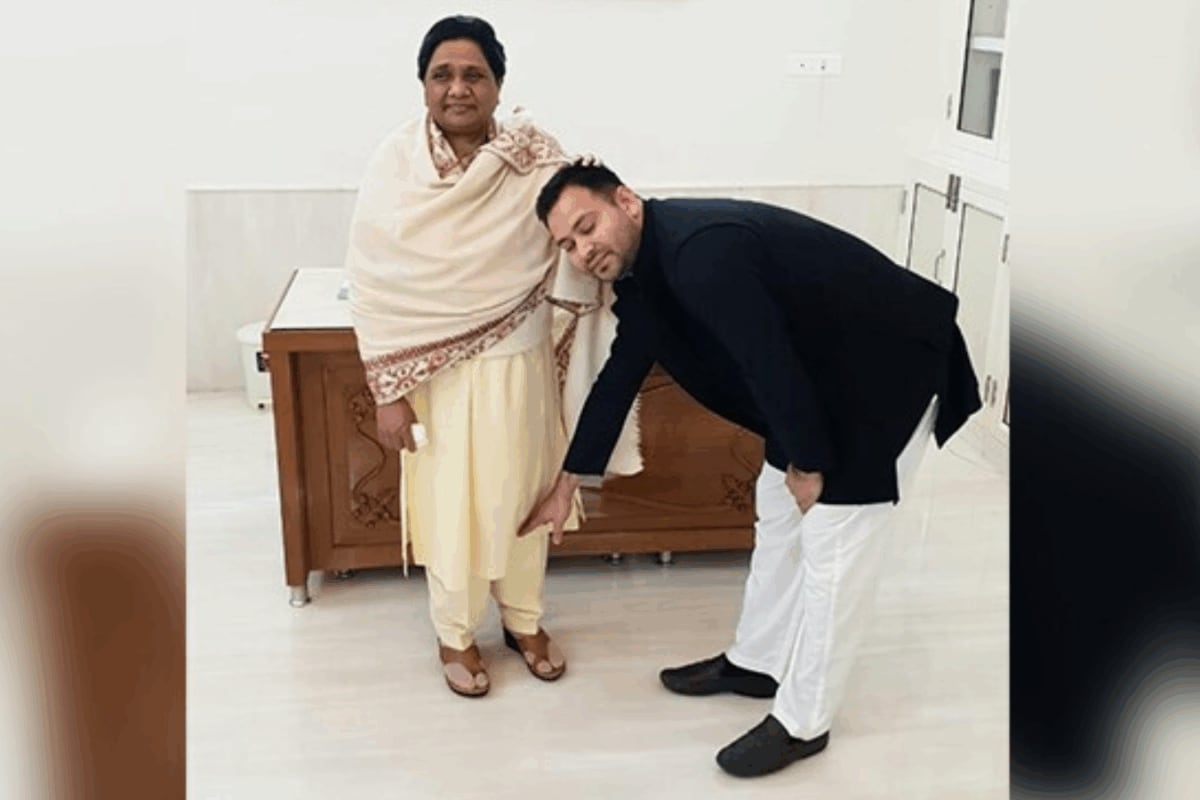
ALSO READ | CM Who Lost His Own Bypoll: India’s First Political Upset Amid Bankipur Bypoll Results Why Is Tejashwi Being Compared To Mayawati? The comparison might seem odd at first — Bihar and Uttar Pradesh have very different political landscapes, so how can RJD and BSP be compared at all? The parallel being drawn isn’t about social base or ideology, but about electoral trajectory and political relevance. BSP’s own journey once began at the summit of power: in 2007, Mayawati won 206 seats and formed a government on her own, considered the high point of Dalit politics nationally. From there, the party’s graph only fell — 80 seats in 2012, down to 19 in 2017, and just one seat by 2022. But the bigger shift wasn’t the seat count itself — it was that Uttar Pradesh’s political narrative moved on without BSP. Contests once fought as BSP versus Samajwadi Party or BSP versus BJP gradually narrowed to a straight BJP-versus-SP fight. BSP kept contesting elections, but slipped out of the central conversation. That’s the exact comparison now being drawn with RJD after Bankipur. RJD Has Had Its Own Golden Run Before — What Changed? Bihar’s own political history offers a parallel. The 2015 assembly election was RJD’s high point — it emerged as Bihar’s largest party with 80 seats, with Lalu Prasad Yadav’s leadership and Tejashwi Yadav’s rising profile making RJD the strongest claimant to power, not just the opposition.
 The BriefWire