In Somalia, AI is helping deliver food to hungry families
Although the UN’s World Food Programme (WFP) cannot reach all 6 million Somalis facing hunger, data collected by its partners and analysed through AI tools
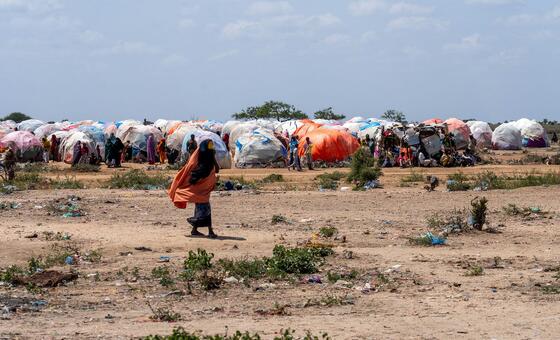
Although the UN’s World Food Programme (WFP) cannot reach all 6 million Somalis facing hunger, data collected by its partners and analysed through AI tools in its hunger-tracking platform HungerMap Live help the agency position resources in specific areas before conditions deteriorate. Somalia faces climate change-induced droughts followed by flash floods and a brutal conflict that has persisted for 35 years and killed hundreds of thousands. The Horn of Africa country also imports most of its food, exposing it to global price shocks such as the current conflict in the Middle East. © WFP/Sara Cuevas Gallardo In June, WFP and the UN’s Food and Agriculture Organization (FAO) added Somalia to their list of “hunger hotspots of highest concern” alongside northeast Nigeria, joining Sudan, South Sudan, Yemen and Palestine.
“It is a very gruesome situation, and I’m very, very concerned about these next few weeks and months,” said Simon Renk, head of vulnerability, analysis and mapping for the WFP in Somalia. Tweet URL Using AI in Burhakaba In the Burhakaba District, about 180 kilometres northwest of the capital, Mogadishu, dangerously malnourished children fill local medical centres. WFP’s humanitarian workers identified the district’s urgent need using the AI tools in HungerMap Live. Armed with that knowledge, the agency provided food assistance to 48,000 people and nutrition support to 3,000 women and children. “Instead of waiting for that malnutrition of children to deteriorate and lead to displacement or even death, we knew it prior,” Mr. Renk told UN News.
Old technology, new lifesaving potential First launched in January 2020 to monitor food security in more than 90 countries, HungerMap Live is a publicly-accessible platform that uses data on food insecurity, climate, economies, agriculture, inflation and more to display areas that are currently food insecure or moving in that direction. Although that initial version of HungerMap Live used AI to estimate levels of food insecurity in countries lacking sufficient data, its ability to predict future hunger crises was limited and it did not track the nutritional quality of diets in the countries it tracks. Enter HungerMap Live 2.0.
Released by WFP in April, the update overhauled the user interface and introduced new predictive AI features, allowing governments and WFP field offices around the world to mobilise resources and act before a crisis worsens. © WFP/Sara Cuevas Gallardo
 The BriefWire