DR Congo: New centre opens at heart of record Ebola outbreak
Why it matters As of 30 July, reports indicate a total of 3,605 confirmed cases, including 1,587 deaths, since the outbreak was first declared in
Why it matters As of 30 July, reports indicate a total of 3,605 confirmed cases, including 1,587 deaths, since the outbreak was first declared in mid-May, according to latest updates from WHO The highest number of reported cases (567) and deaths (296) were recorded in the most recent week’s data Over the last two months, the outbreak has expanded to five additional provinces and is now affecting 49 health zones The outbreak remains active in 33 of them, with confirmed cases still being reported Ituri remains the most impacted province, accounting for 88 per cent of all confirmed cases and 82.6 per cent of reported deaths nationwide Health partners will open DRC’s largest treatment centre this week, complementing an Ebola transit centre, according to the UN aid coordination agency, OCHA WHO warned a substantial scaling up of response activities is needed “Ebola is moving fast, hitting people already facing conflict and hunger,” said Carl Skau, acting chief of the World Food Programme (WFP) following a weekend visit to eastern DRC.
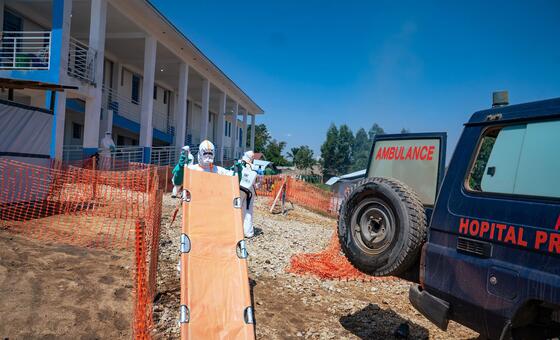
“Communities are key to ending it, but need support.” WHO said the current outbreak is now the largest recorded Ebola virus disease outbreak in the country, surpassing the 2018 to 2020 outbreak which resulted in 3,317 confirmed cases. During the most recent complete reporting week, the highest weekly number of reported cases (567) and deaths (296) to date were recorded, underscoring the exceptional pace of transmission. © WHO Inside the red zone The hardest hit areas are in a “red zone”, where lifesaving work is underway. UN agencies and partners, including the United States and the International Medical Corps (IMC), have helped to set up an Ebola transit centre at the Kigonze displacement camp on the outskirts of Bunia, the capital of Ituri. The facility will make it easier to identify suspected cases more quickly and refer confirmed Ebola patients to treatment centres, an OCHA spokesperson said.
This week, health partners will also inaugurate the biggest treatment centre of the country, with a 100-bed capacity, OCHA announced. Need for rapid action However, a substantial scaling up of response activities is needed to get ahead of the outbreak, which has seen increasing number of cases, expanding geographic spread and high mortality, WHO warned. “The convergence of insecurity, population displacement and mobility and cross-border movements complicate response operations and increase the risk of further geographical spread,” the UN agency said, noting that around 270,000 people who have fled violence now live in displacement sites across Ituri province, where conditions are ideal for the disease to spread. Meanwhile, aid teams are finding that the disease appears to be causing still births and premature deliveries, underscoring the need to provide additional care for patients who are pregnant. Tweet URL Expanding efforts As needs have climbed, so has the response.
 The BriefWire