Binging on cringe: It's as addictive as 'eating junk food'
Flexing achievements? Cringe. Expressing genuine emotions? Cringe. You want to look away, but you can’t. Cringe. It's so addictive, people have built social media careers
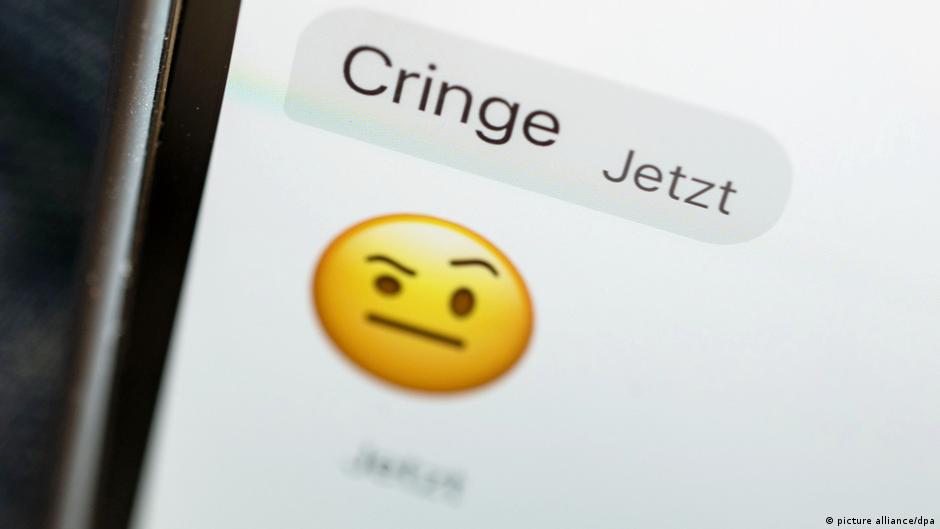
Flexing achievements? Cringe. Expressing genuine emotions? Cringe. You want to look away, but you can’t. Cringe. It's so addictive, people have built social media careers by monetizing other people's worst moments. I feel it. You probably do, too. Someone posts a crying selfie, proposes at a wedding, or confidently sings off-key at karaoke and we cringe. We cringe when we see something so awkward, embarrassing, or painfully lacking in self-awareness that it makes us recoil. But we're attracted to it at the same time because — perhaps — we've experienced similar situations ourselves or we know and care about people who have embarrassed themselves and we felt empathy. And that's why cringe is also known in psychology as secondhand or vicarious embarrassment. We feel it on behalf of other people as well as their feeling it themselves. And sometimes we just enjoy watching other people suffer in a socially awkward situation. Cringe has an online community: There are cringe compilations, reaction channels on cringe, comedy and other formats built on people's most cringeworthy moments. And people appear to be hooked. Stefan Hofmann, a clinical psychologist specializing in social anxiety disorder at Marburg University, Germany, says cringe videos are as addictive as junk food: "If you eat junk food, you want more of it [or] even more outrageous stuff," Hofmann said.
Why we can't we look away from cringe moments Embarrassment is subjective. A bad grade won't embarrass a person who doesn't care about school, but it can trigger real embarrassment in a person for whom academic success is central to their sense of self, their identity. "If you see a complete stranger misbehaving in public, you might get angry," said Frieder Paulus, a psychologist and neuroscientist at the University of Lübeck, Germany. "But if your kid is doing the same stuff, you might feel embarrassed, not only for the kid, but also for yourself," said Paulus, "because [you feel] the behavior of the kid reflects to you." Virtual people: Why you can't always trust what you see To view this video please enable JavaScript, and consider upgrading to a web browser that supports HTML5 video Embarrassment belongs to a class of emotions called emotional barometers. Emotional barometers include shame, pride, and guilt. They signal a social norm has been broken. For people to feel embarrassment, they have to be aware of the social norms, the context of the situation, and be aware there is an audience watching them. Our reactions to embarrassing situations are visible on a brain scan. "We see failure... the arousal region [lights] up because something is not okay," said Paulus.
 The BriefWire