Supreme Court says states free to close, withdraw FIRs against CJP protesters
The Supreme Court on Monday clarified that states are at liberty to close or withdraw First Information Reports (FIRs) registered against protesters linked to the
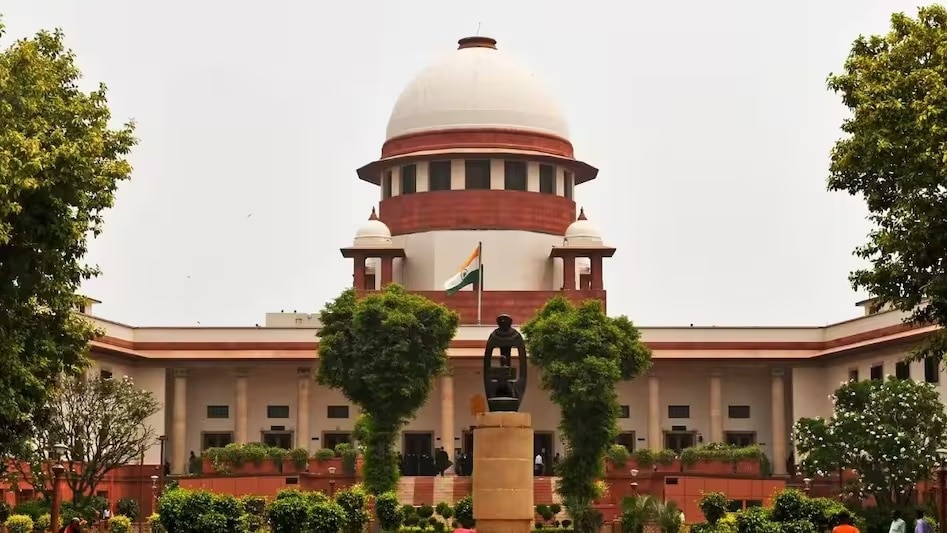
The Supreme Court on Monday clarified that states are at liberty to close or withdraw First Information Reports (FIRs) registered against protesters linked to the CJP agitation, while making it clear that the relief would not apply to those accused of grave and serious offences. The clarification came during a hearing before a bench led by Chief Justice of India Surya Kant, as the Centre reiterated that it remained committed to its assurance on the treatment of FIRs filed against protesters. Read Full Story Solicitor General Tushar Mehta told the bench that there had been some "misapprehension or miscommunication" regarding the government's stand on the FIRs. "I have instructions to say that the government is serious on that commitment," Mehta submitted, adding that if those leading the protest remained in touch with the government, "semantics can be worked out.” When counsel for the petitioners sought clarity on whether the FIRs would be quashed or withdrawn, the Solicitor General responded that the government would adopt "whatever is legally permissible,” while reiterating that the relief would not be available to those with criminal antecedents.
The bench then clarified its July 28 order, observing that the expression "criminal antecedents" would refer only to those involved in grave and serious offences. "It is clarified that the NCT of Delhi and any other state shall be at liberty to close or withdraw FIRs against protesters. The expression 'criminal antecedents' is clarified to include grave and grievous offences," the court said. Senior advocate AM Singhvi, appearing for the petitioners, argued that the term "criminal antecedents" required judicial clarification, warning that authorities could otherwise interpret it too broadly. He submitted that many students could have minor cases, such as traffic violations, and should not be denied the benefit of the court's order on that basis. Responding to the submission, Mehta said the issue had already been discussed with the protesters' counsel, senior advocate Vrinda Grover. During the hearing, Chief Justice Surya Kant observed that information regarding FIRs could first be collected from all states before authorities segregate genuine student protesters from hardened criminals.
The Solicitor General informed the court that 2,738 offenders had been identified during the investigation and clarified that these included people accused of offences such as murder and rape, "not petty offences". On the process of identifying suspects, Mehta said facial recognition technology was only the starting point. He explained that every identification was followed by field verification, including matching the person's previous location and other evidence before names were finalised. The petitioners also raised concerns over the alleged use of excessive force during the protests. Their counsel referred to videos purportedly showing police excesses and identified specific police officials whose conduct should be examined. They also sought directions to the Inspector General of Police and the Director General of the Rapid Action Force over the alleged use of pellet guns during crowd control. The Supreme Court directed the authorities to respond to these allegations through an affidavit and indicated that it may constitute a high-powered committee to examine the issue.
 The BriefWire