Drones Were Winning Ukraine The War. Then Russia Changed The Game
Drones Were Winning Ukraine The War. Then Russia Changed The Game Written By, Last Updated: August 03, 2026, 12:01 IST Ukraine's drone revolution stunned the
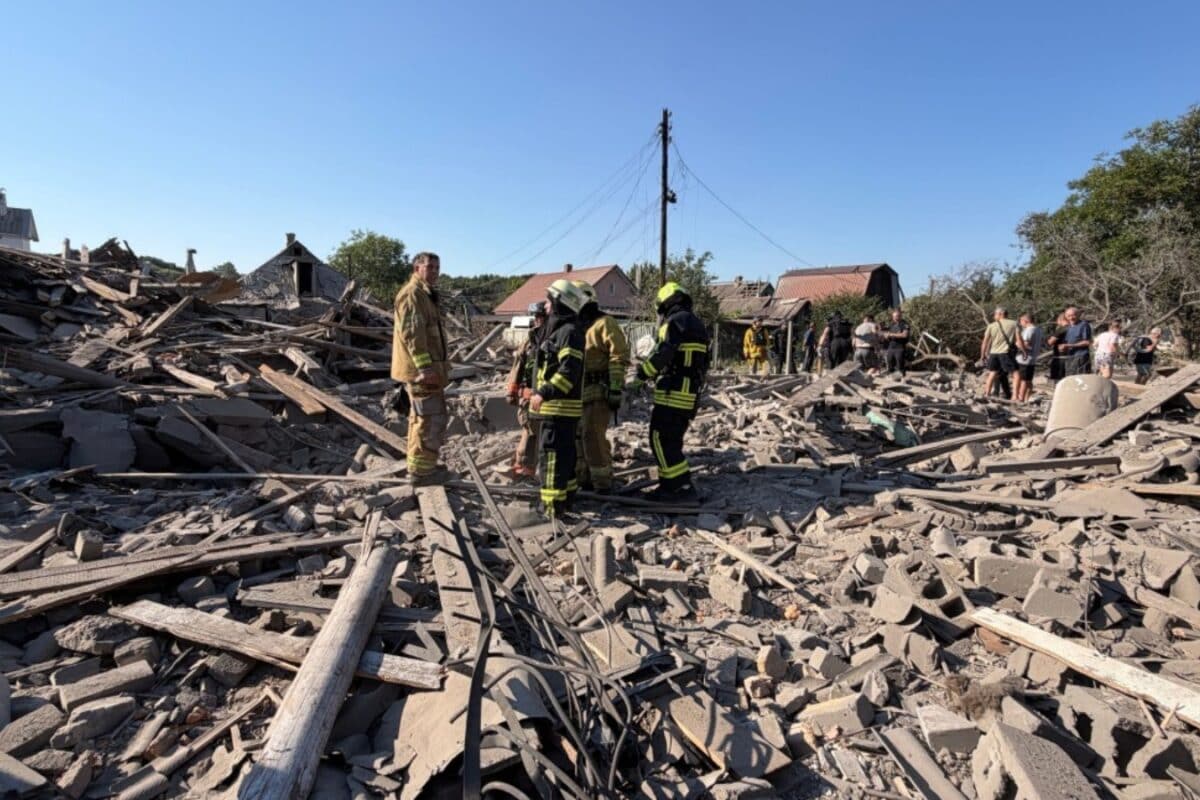
Drones Were Winning Ukraine The War. Then Russia Changed The Game Written By, Last Updated: August 03, 2026, 12:01 IST Ukraine's drone revolution stunned the world and humbled one of the world's largest militaries. Here's how Russia learnt, adapted and fought back. Rapid Read Ukrainian rescuers work amid rubble at the site of a Russian airstrike in Zaporizhzhi. (Photo: AFP) For much of the past three years, drones appeared to have given Ukraine a decisive battlefield edge no military alliance or weapons package could. Cheap first-person-view (FPV) drones costing as little as $500 were knocking out Russian tanks worth millions. Heavy bomber drones nicknamed “Baba Yaga" flew night missions, dropping ammunition on trenches and even laying mines. Naval drones such as the Sea Baby and MAGURA V5 repeatedly struck Russian warships, eventually forcing much of the Black Sea Fleet to shift from its long-time base in Sevastopol to Novorossiysk. Long-range strike drones carried the war deep into Russia, hitting oil depots, military airfields and logistics hubs hundreds of kilometres from the front. For a while, it seemed drones had rewritten the rules of modern warfare. Military analysts spoke of a revolution in combat where inexpensive, expendable machines had made traditional military superiority far less relevant. But wars have a way of punishing any side that believes innovation alone is enough. Today, the same drone war looks very different. Not because Ukraine stopped innovating, but because Russia learnt. The $500 Weapon That Humbled Million-Dollar Tanks Ukraine’s early success wasn’t built on sophisticated military technology. It was built on scale. Thousands of volunteers, start-ups and engineers began modifying commercially available quadcopters into FPV kamikaze drones.
Costing anywhere between $400 and $1,000, these drones gave individual soldiers the ability to destroy tanks, artillery pieces and armoured vehicles worth millions. Soon came larger systems. The Vampire drone, better known by Russian soldiers as “Baba Yaga", became one of Ukraine’s most feared battlefield weapons. Capable of carrying payloads of up to 15 kilograms, it flew mostly at night, bombing trenches, laying mines and even delivering supplies to isolated units. Ukrainian officials say the drone has now completed more than one million combat missions, making it one of the most extensively used unmanned platforms in the war. The innovation wasn’t confined to land. Ukraine’s Sea Baby and MAGURA V5 naval drones transformed the Black Sea into one of the most unpredictable theatres of the conflict. In repeated attacks, these unmanned boats damaged or destroyed Russian vessels and compelled Moscow to relocate much of its fleet away from occupied Crimea. By 2025, Ukraine had turned drone manufacturing into an industrial enterprise, producing more than four million drones a year. The message was unmistakable. Ukraine might not match Russia tank for tank or aircraft for aircraft. But it could overwhelm it drone by drone. When Russia Started Adapting The assumption for a long time was that Russia was losing the drone race. That assumption no longer holds. Rather than trying to replicate Ukraine’s innovation ecosystem, Moscow focussed on industrial scale and battlefield adaptation. Its workhorse became the Shahed-136, originally developed in Iran and produced domestically as the Geran-2. Carrying a 30-50 kg warhead over distances of more than 1,000 kilometres, these relatively inexpensive drones allowed Russia to attack Ukraine in overwhelming numbers.
 The BriefWire