'Double tap': How terrorists are trapping Pakistan's security personnel
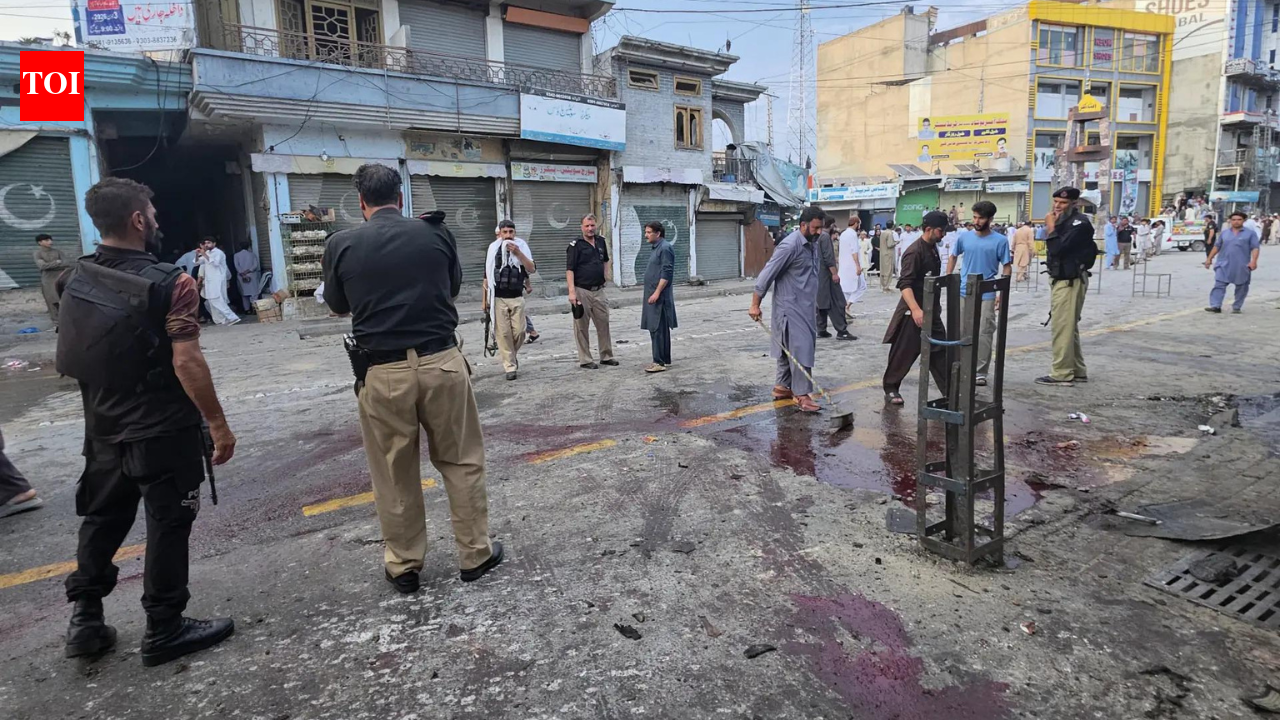
The latest assault came on Sunday, when a suicide bomber struck outside a police station in Swat's Kabal town during an anti-terror rally A 'double
The latest assault came on Sunday, when a suicide bomber struck outside a police station in Swat's Kabal town during an anti-terror rally A 'double tap' strategy to maximise casualties Recent attacks expose worsening security crisis Pakistan's security forces are increasingly facing a deadly challenge as militant groups adopt a "double tap" strategy that turns rescue missions into ambushes. The tactic, analysed by Pakistani newspaper Dawn, involves an initial attack on a police or security installation, followed by a second strike targeting reinforcements rushing to the scene.The evolving strategy has coincided with a sharp rise in militant violence, particularly in Khyber Pakhtunkhwa, where police and military personnel have repeatedly come under attack in recent months. The latest assault came on Sunday, when a suicide bomber struck outside a police station in Swat's Kabal town during an anti-terror rally, killing at least 14 people, including police personnel, and injuring 18 others.According to an analysis by Dawn, militants have refined their tactics by carrying out coordinated two-stage attacks aimed at inflicting the highest possible casualties on responding security forces.The first team attacks a police station, checkpost or security installation, drawing personnel into a firefight.
Simultaneously, another militant group positions itself along likely reinforcement routes.As additional police or military teams rush to assist, they are targeted through improvised explosive devices (IEDs), roadside ambushes or quadcopters capable of dropping explosives.Dawn said predictable response patterns have repeatedly turned reinforcement teams into easy targets. Over the past three years, at least 16 police personnel, including three deputy superintendents of police (DSPs), have been killed while responding to attacks rather than during the initial assault.The newspaper pointed to the July 29 attack in Hangu district as the latest example. Terrorists first stormed a police checkpost before attacking the reinforcements sent to support officers already under fire. Nine police personnel, including DSP Diyar Khan, were killed and 28 others injured. According to Dawn, it was the third major incident in which the second phase of the attack caused the heaviest losses.The pattern dates back to January 2023, when DSP Sardar Hussain and two of his guards were killed in an IED blast while responding to an attack on the Sarband police station near Peshawar.The strategy has unfolded alongside a broader escalation in militant attacks across Khyber Pakhtunkhwa.On July 24, at least 15 people, including 14 security personnel, were killed after Tehreek-i-Taliban Pakistan (TTP) militants attacked a joint police checkpost in Tank district.
 The BriefWire