UPI Payments May Soon Need An Extra 'Yes' Before Money Leaves Your Account
UPI Payments May Soon Need An Extra 'Yes' Before Money Leaves Your Account Written By, Last Updated: August 03, 2026, 09:07 IST A transaction could
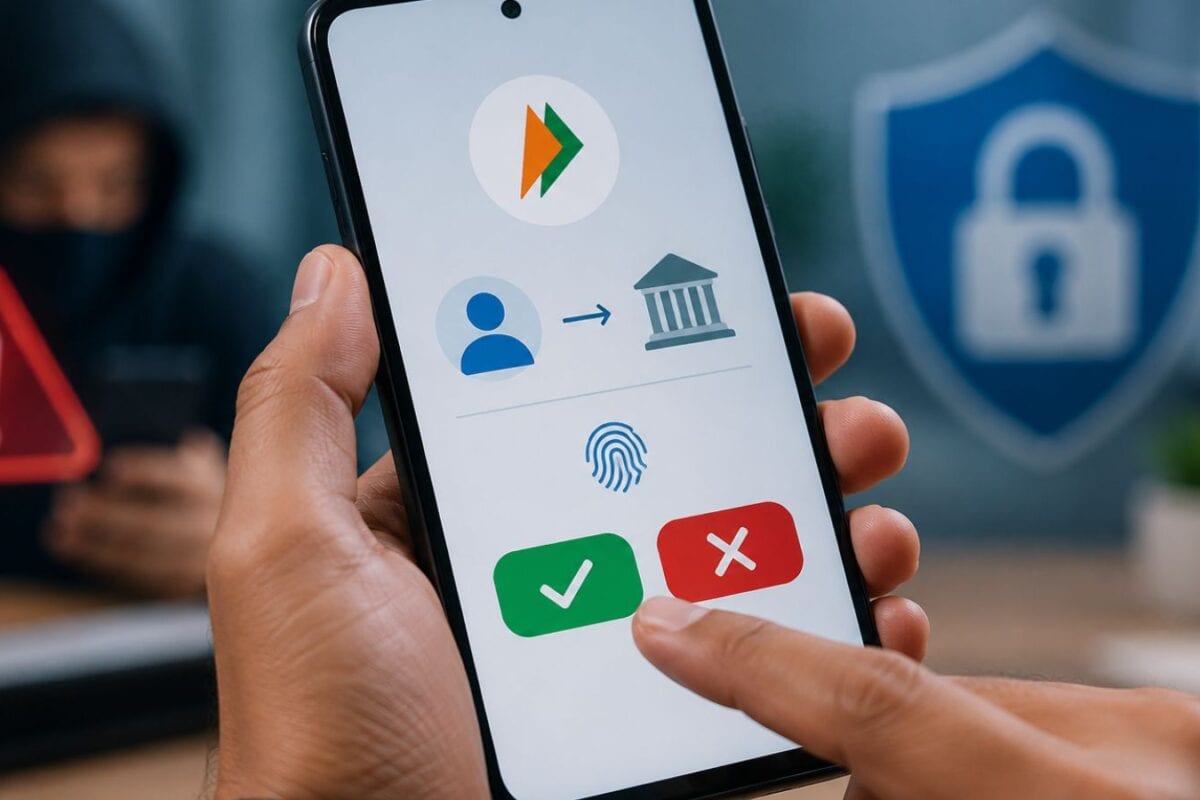
UPI Payments May Soon Need An Extra 'Yes' Before Money Leaves Your Account Written By, Last Updated: August 03, 2026, 09:07 IST A transaction could be flagged if it involves an unusually large amount, a first-time beneficiary, a new device or a payment pattern that differs from a customer's spending habits Rapid Read Instead of applying additional checks to every high-value payment, banks have suggested a risk-based verification system. (AI-Generated Image) Your next UPI payment may not always go through with a single tap. Banks have proposed introducing a simple “Yes/No" confirmation prompt for certain UPI transactions that may be high risk, in a bid to tackle the growing menace of digital payment frauds without slowing down the country’s real-time payments system, according to a report by The Economic Times. The proposal has been submitted to the Reserve Bank of India (RBI), which is working on new measures to strengthen safeguards against online financial fraud. What Is The Proposed Change? Instead of applying additional checks to every high-value payment, banks have suggested a risk-based verification system. ALSO READ | No Internet, No Problem: Soon, You’ll Be Able To Tap And Pay Offline Using UPI If a transaction is flagged as suspicious by a bank’s fraud detection engine, the customer would receive a pop-up asking them to confirm whether they really want to proceed.
Only after clicking “Yes" will the payment be processed. The additional prompt will apply only to transactions that appear unusual based on the bank’s risk assessment, rather than to all UPI payments, the ET report said. Why Are Banks Proposing This? The move comes amid a sharp rise in UPI-related frauds, many of which rely on social engineering rather than technical hacking. Fraudsters often convince victims over phone calls, messaging apps or fake customer-care numbers to transfer money immediately. Since UPI payments are instant and largely irreversible, victims often realise they have been scammed only after the money has left their accounts. Banks believe that introducing a brief moment of friction before suspicious transactions could give users a chance to pause, rethink and avoid falling victim to such scams. Why Not Bring In Delays For Every Payment? According to the ET report, banks are opposed to blanket measures such as mandatory cooling-off periods or delays for all high-value transactions. Industry executives have argued that such restrictions would undermine one of UPI’s biggest strengths—its speed and convenience. Millions of consumers and merchants rely on instant payments every day, and slowing down every transaction could hurt user experience and business operations.
 The BriefWire