SC Has Over 10,000 Cases Pending For More Than A Decade; 80,660 HC Cases Await Disposal For 30 Years
SC Has Over 10,000 Cases Pending For More Than A Decade; 80,660 HC Cases Await Disposal For 30 Years Published By, Last Updated: August 03
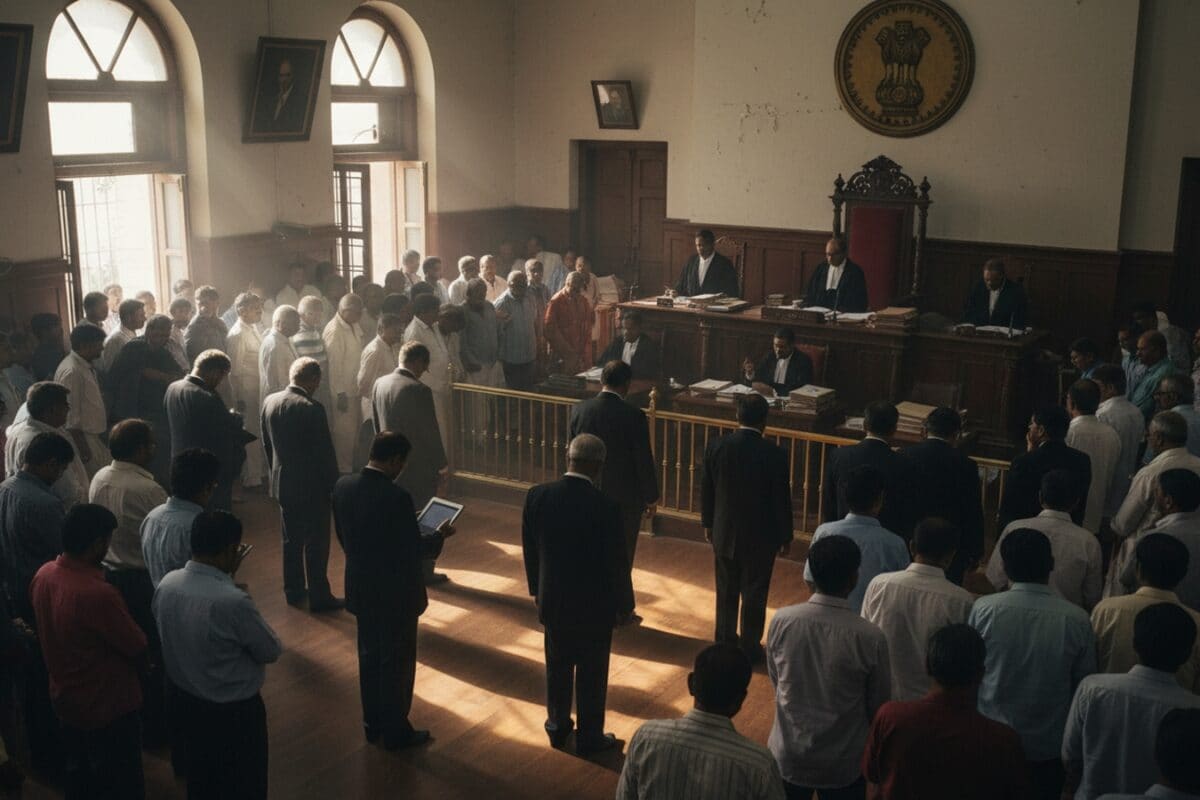
SC Has Over 10,000 Cases Pending For More Than A Decade; 80,660 HC Cases Await Disposal For 30 Years Published By, Last Updated: August 03, 2026, 07:32 IST The Supreme Court has over 96,000 pending cases, including more than 10,000 awaiting disposal, while 80,660 high court cases have remained pending for over 30 years. Parliament was informed that over 10,000 Supreme Court cases have been pending for more than a decade, while 80,660 high court cases are over 30 years old. (AI-generated image/News18) More than 10,000 cases have remained pending in the Supreme Court for over a decade, while 80,660 cases in high courts across the country have been awaiting disposal for more than 30 years, the Rajya Sabha was informed. In a written reply, Law Minister Arjun Ram Meghwal said the Supreme Court has more than 96,000 pending cases. Of these, over 10,000 have been awaiting disposal for more than 10 years. The minister further informed the House that 26 cases in the apex court have remained pending for more than 30 years, while 558 cases have been awaiting disposal for over 20 years.
Collectively, 5.64 crore cases are pending across the Supreme Court, the country’s 25 high courts, and district and subordinate courts, according to data available on the Judicial Data Grid, Meghwal said. HIGH COURTS CONTINUE TO FACE LONG-PENDING CASES The minister said 80,660 cases have remained pending in high courts for more than three decades, underlining the scale of judicial backlog across the country. Responding to a question on delays in the judicial system, Meghwal said the disposal of cases falls within the exclusive domain of the judiciary, indicating that the executive does not prescribe timelines for courts to decide cases. ALSO READ | Whistling, Pulling Minor Girl’s Hand After She Ignores Is Harassment, Not Sexual Assault: Madras HC He said pendency arises due to several factors, including the complexity of facts involved, the nature of evidence, and cooperation of stakeholders such as the Bar, investigating agencies, witnesses and litigants. GOVT CITES MULTIPLE REASONS FOR DELAY According to the minister, timely disposal of cases also depends on the availability of an adequate number of judges and judicial officers, supporting court staff, and physical infrastructure.
He said efficient disposal further hinges on the proper application of procedural rules and coordination among all stakeholders involved in the judicial process. The written reply, as reported by The Times of India, also highlighted that timely disposal depends on adequate judicial manpower and infrastructure, including the availability of judges, judicial officers and supporting staff. The report noted that while the Supreme Court has largely moved promptly to fill judicial vacancies, vacancies continue to persist in the high courts and subordinate judiciary. According to the report, the 25 high courts currently have 341 judicial vacancies against a sanctioned strength of 1,122 judges, while subordinate courts have 7,311 vacancies against an approved strength of 30,868 judges. The minister reiterated that the pace of case disposal is influenced by several operational and procedural factors, making pendency a multifaceted issue rather than one attributable to a single cause. ALSO READ | ‘People Abandon Cattle, Then Object If They’re Eaten’: Supreme Court Slams Double Standards News18 Newsletter Handpicked stories, in your inbox A newsletter with the best of our journalism submit About the Author Vani Mehrotra Vani Mehrotra is the Deputy News Editor at News18.com.
 The BriefWire