Built for tomorrow's wars: How India's 350kg turbojet reshapes warfare
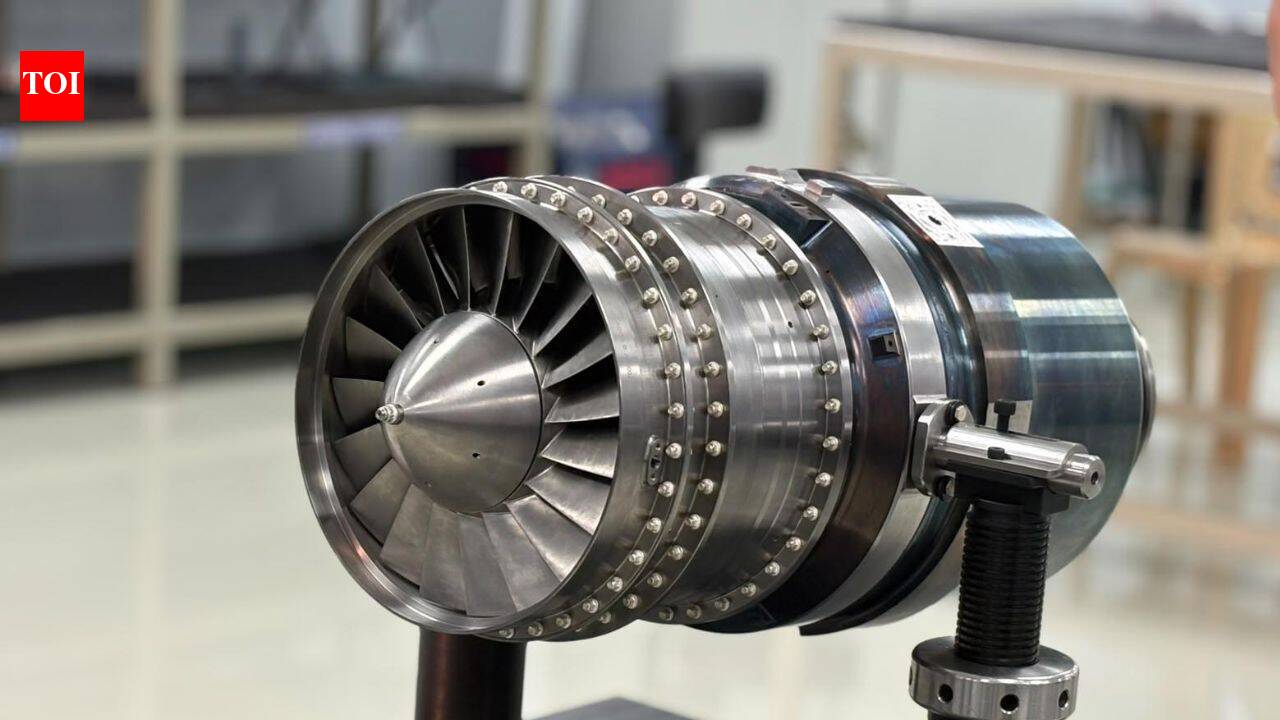
India has successfully developed its first indigenous expendable turbojet engine. (Image credit: DRDO) Why this engine matters The small engine that could reshape India's military
India has successfully developed its first indigenous expendable turbojet engine. (Image credit: DRDO) Why this engine matters The small engine that could reshape India's military aviation ambitions What exactly is an expendable turbojet engine? What can the new engine power? Cruise missiles: The most obvious application is India's future generation of cruise missiles. Cruise missiles require compact, fuel-efficient engines capable of flying long distances at low altitude while maintaining subsonic speeds. Such missiles can strike command centres, logistics hubs, ammunition depots, radar installations and strategic infrastructure hundreds of kilometres away. India is already developing long-range land attack cruise missiles (LR-LACM), and indigenous turbojet technology could eventually support future variants while reducing reliance on imported propulsion. The most obvious application is India's future generation of cruise missiles. Cruise missiles require compact, fuel-efficient engines capable of flying long distances at low altitude while maintaining subsonic speeds. Such missiles can strike command centres, logistics hubs, ammunition depots, radar installations and strategic infrastructure hundreds of kilometres away. India is already developing long-range land attack cruise missiles (LR-LACM), and indigenous turbojet technology could eventually support future variants while reducing reliance on imported propulsion. Jet-powered loitering munitions: The engine could also power high-speed kamikaze drones. Unlike propeller-driven loitering munitions that generally fly below 200 kmph, jet-powered systems can reach speeds exceeding 400 kmph, dramatically reducing enemy reaction time. India recently inducted the Agniveg (Peacekeeper) loitering munition, capable of speeds approaching 450 kmph and designed for precision strikes in contested environments.
Faster loitering munitions are harder to intercept and better suited for attacks against time-sensitive targets. The engine could also power high-speed kamikaze drones. Unlike propeller-driven loitering munitions that generally fly below 200 kmph, jet-powered systems can reach speeds exceeding 400 kmph, dramatically reducing enemy reaction time. India recently inducted the Agniveg (Peacekeeper) loitering munition, capable of speeds approaching 450 kmph and designed for precision strikes in contested environments. Faster loitering munitions are harder to intercept and better suited for attacks against time-sensitive targets. Target drones: Another important application is high-speed target drones used to test air defence systems. Such drones simulate enemy cruise missiles or aircraft during military exercises, allowing armed forces to evaluate interceptor performance under realistic conditions. Another important application is high-speed target drones used to test air defence systems. Such drones simulate enemy cruise missiles or aircraft during military exercises, allowing armed forces to evaluate interceptor performance under realistic conditions. Tactical UAVs: Compact turbojets also enable higher-speed unmanned aerial vehicles for reconnaissance, electronic warfare and specialised strike missions. From cruise missiles to combat jets: India's turbojet breakthrough cuts import dependence and opens new defence possibilities. Why are turbojet engines so difficult to build? How is this different from India's fighter aircraft engines? India's long journey in jet engine technology Other indigenous engine programmes Small Turbofan Engine (STFE): DRDO has also developed a 450kg thrust-class Small Turbofan Engine intended for future long-range land attack cruise missiles. Compared with turbojets, turbofans provide improved fuel efficiency, making them suitable for longer-range weapons.
 The BriefWire