It's Not Netanyahu: Who Really Influences Trump's Decisions On US-Iran War Now?
It's Not Netanyahu: Who Really Influences Trump's Decisions On US-Iran War Now? Published By, Last Updated: August 02, 2026, 16:10 IST As Trump weighed fresh
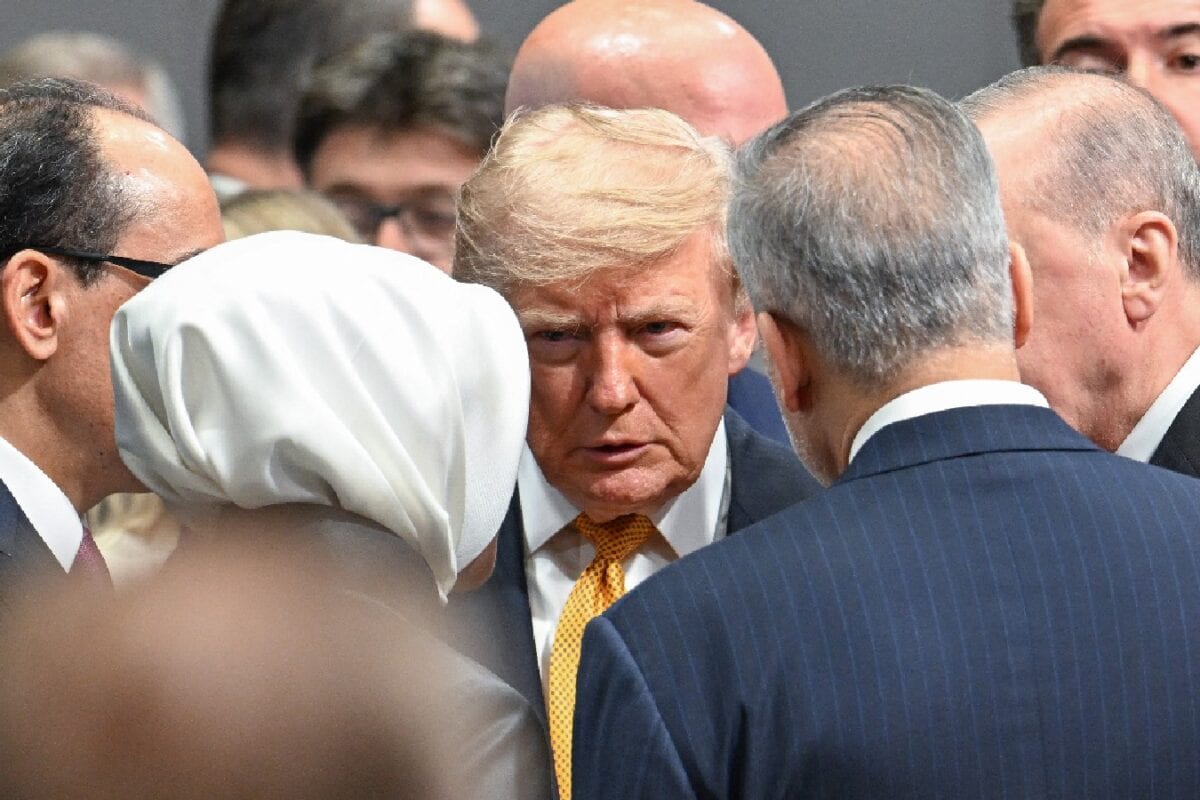
It's Not Netanyahu: Who Really Influences Trump's Decisions On US-Iran War Now? Published By, Last Updated: August 02, 2026, 16:10 IST As Trump weighed fresh strikes on Iran, Saudi Arabia and regional allies intensified efforts to prevent a wider Middle East war. US President Donald Trump. (IMAGE: AFP) US President Donald Trump on Sunday stepped back from launching threatened attacks on Iran, just days after warning that Washington would continue hitting the country “very hard". Behind the decision is a growing diplomatic effort led by key regional allies, particularly Saudi Arabia, to prevent a wider conflict in the Middle East. According to Axios, Saudi Crown Prince Mohammed bin Salman (MBS) personally called Trump on Saturday and urged him to reconsider plans for major strikes against Iran. Saudi Arabia pushes for de-escalation Two US officials and another source familiar with the conversation told Axios that MBS raised concerns about the proposed military action. “The Saudis expressed concern and asked for clarity about the plan of action," one US official said. A second source said the Saudi Crown Prince went further and urged Trump to de-escalate and avoid launching the strikes altogether.
The intervention came only days after joint US-Saudi strikes targeted pro-Iranian militias in Iraq, highlighting Riyadh’s effort to prevent a broader regional conflict. Saudi Arabia is prepared to defend its own oil facilities but does not want another conflict that could trigger Iranian retaliation against Gulf energy infrastructure. Prince Khalid carried the same message The diplomatic effort began before MBS spoke directly with Trump. Saudi Defence Minister Prince Khalid bin Salman met US Vice President JD Vance earlier in the week before a meeting with Trump was added to his schedule. According to a source familiar with the discussions, Prince Khalid told Vance that Saudi Arabia favoured de-escalation with Iran. The meetings were intended to convey MBS’ views on the Iran conflict and the wider regional situation. The White House and the Saudi Embassy in Washington declined to comment on the reported conversations. Regional powers join diplomatic push Saudi Arabia is not alone in urging restraint. According to Axios, Qatar, the United Arab Emirates, Turkey and Pakistan are also pressing both Washington and Tehran to step back from further escalation. Iranian Foreign Minister Abbas Araghchi spoke on Saturday with Pakistan’s Army Chief, Field Marshal Asim Munir, who has served as a key mediator between Washington and Tehran.
 The BriefWire