California spent $7M and six years removing escaped killer algae
Caulerpa taxifolia, commonly known as “killer algae,” originates from the tropical waters of the Caribbean The killer algae on the rise Why it went so
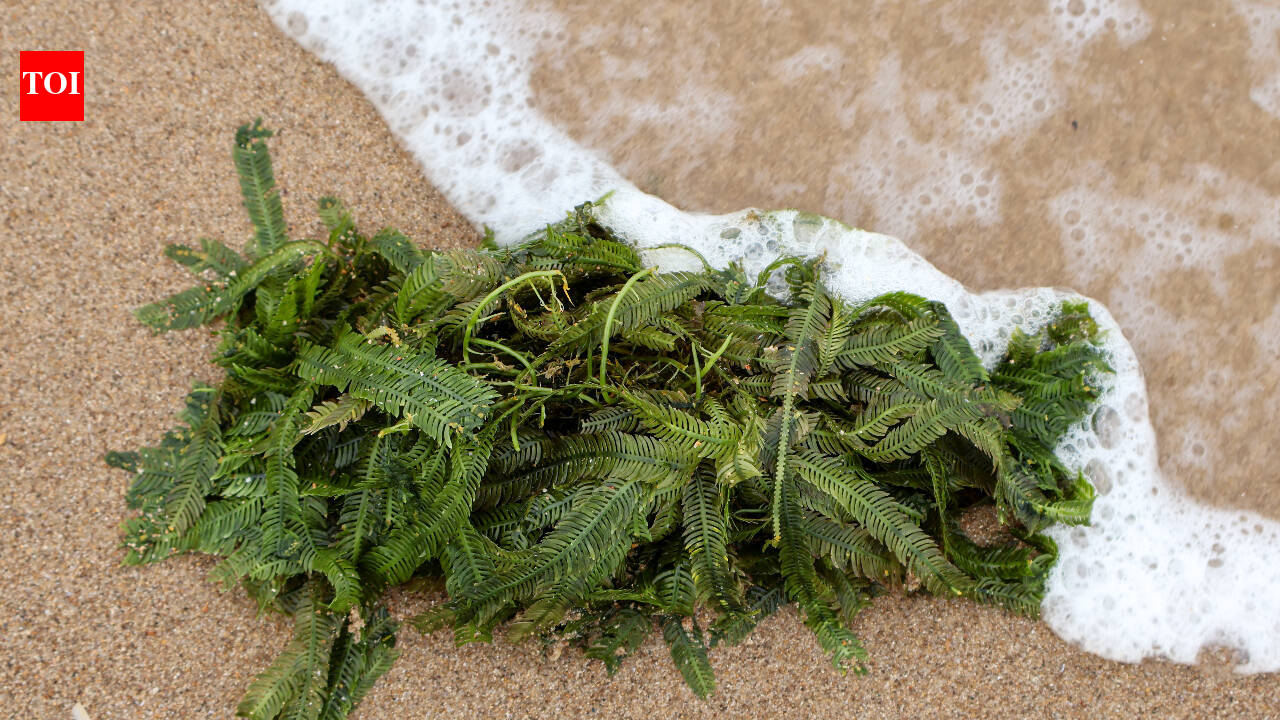
Caulerpa taxifolia, commonly known as “killer algae,” originates from the tropical waters of the Caribbean The killer algae on the rise Why it went so viral One of the coolest things about Caulerpa taxifolia is how well it can reproduce An ecological catastrophe California’s costly fight The eradication effort took six years, officially ending in 2006, at a cost of over US$7 million Some of the biggest ecological disasters start in the least likely places. Here it may have started with a home aquarium. An online report by the Centre for Invasive Species Research states that an ornamental seaweed, Caulerpa taxifolia, escaped into the coastal waters of Southern California in 2000, likely after an aquarium owner illegally dumped marine plants into a stormwater system. What seemed to be an isolated incident quickly became an environmental emergency and a si year eradication campaign costing over US$7 million.
This is one of the most dramatic examples of how a non-threatening aquarium species can become a destructive invasive threat.For the uninitiated, Caulerpa taxifolia, commonly known as “killer algae,” originates from the tropical waters of the Caribbean, the Indian Ocean and parts of the Pacific. But its invasive story started in Europe. In the 1980s, aquarium managers at the Wilhelma Zoo in Stuttgart, Germany, bred a cold-tolerant strain for display tanks. In 1984, this modified strain had accidentally escaped to the Mediterranean Sea from the Oceanographic Museum of Monaco and soon covered thousands of hectares of the seabed. Unlike many marine plants, this strain grows in cooler waters, can survive out of water for up to 10 days in damp conditions and occurs in a range of underwater habitats including rocky reefs, sandy bottoms, mudflats and seagrass meadows.It was one of the world's most successful marine invaders, due to its remarkable adaptability.One of the coolest things about Caulerpa taxifolia is how well it can reproduce.
The invasive strain reproduces by asexual fragmentation. Even the tiniest fragment, only one centimetre in size, can develop into a brand new plant. Fragments can be transported unwittingly long distances by ocean currents, boat anchors, fishing gear and ballast water from ships, allowing new colonies to quickly become established. Once established, this resilience makes the species particularly difficult to control.It is said that dense underwater meadows of the algae smother native seaweeds, seagrasses and marine invertebrates by blocking out sunlight and releasing toxic compounds known as caulerpenyne. This leads to less native habitat, which leads to fewer fish, which leads to less biodiversity and disrupts whole marine ecosystems. Some fish species that feed on the algae accumulate the toxins in their bodies, making them unfit for human consumption and threatening local fisheries. The expansion of Caulerpa has severely altered coastal ecosystems in some areas of the Mediterranean and has had consequences for commercially important fishing grounds.Authorities moved quickly after the algae was found first in California’s Agua Hedionda Lagoon near San Diego and later at Huntington Harbour near Los Angeles, states the report.
 The BriefWire