From ‘Mere Pyare Deshvasiyon’ To ‘Hi, Friends’: PM Modi’s Message Of Forgiveness To Gen Z
From ‘Mere Pyare Deshvasiyon’ To ‘Hi, Friends’: PM Modi’s Message Of Forgiveness To Gen Z Written By, Last Updated: August 02, 2026, 09:08 IST At
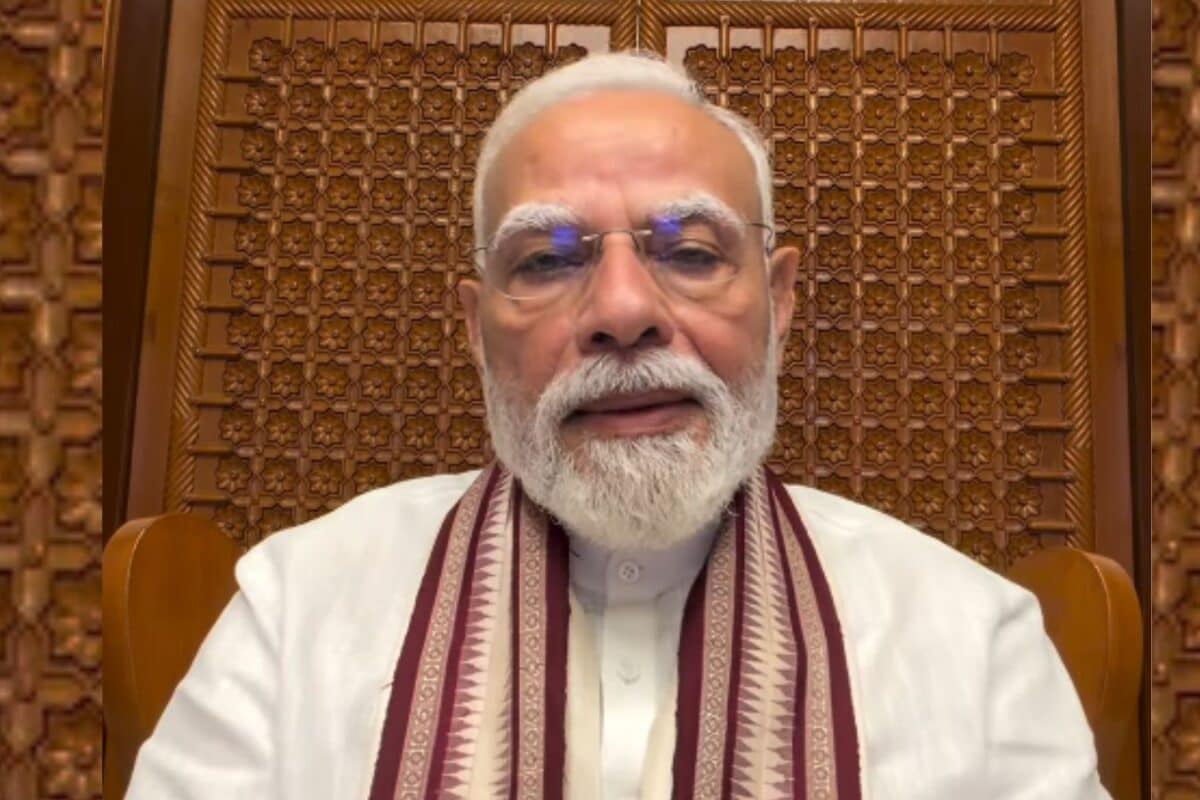
From ‘Mere Pyare Deshvasiyon’ To ‘Hi, Friends’: PM Modi’s Message Of Forgiveness To Gen Z Written By, Last Updated: August 02, 2026, 09:08 IST At a time when the political atmosphere had turned deeply acrimonious, PM Modi chose not to respond with anger. Instead, he chose forgiveness. Rapid Read Prime Minister Narendra Modi. At a time when the political atmosphere had turned deeply acrimonious, with videos of abusive slogans against the Prime Minister and even his late mother dominating social media, Modi chose not to respond with anger. Instead, he chose forgiveness. In Indian politics, where confrontation often invites a sharper counterattack, the decision stood out. Rather than demanding exemplary punishment for every protester, the Prime Minister argued that many of those involved were young people who had made mistakes and deserved an opportunity to learn from them. It was a conscious attempt to separate misguided youth from those responsible for violence, replacing the language of retribution with that of reform. Equally significant was the way he chose to deliver that message. For more than a decade, Modi has addressed the nation with the now-familiar “Mere pyare deshvasiyon", a phrase associated with formal national addresses and major policy announcements. This time, he looked into the camera and simply said, “Hi friends." The greeting was informal, conversational and unmistakably aimed at a younger audience. It reflected an evolving communication strategy in which the Prime Minister is increasingly speaking directly to India’s digital generation through Instagram Reels and YouTube Shorts instead of relying solely on rallies, television or traditional speeches.
The timing was deliberate. The country had spent days watching political tempers escalate over the protests in Delhi. Videos of offensive slogans and personal abuse had sparked widespread outrage. The expectation in many quarters was that the government’s response would focus almost entirely on punishment and legal action. Instead, Modi adopted a different political register. While condemning the language used by sections of the protesters, he appealed to society not to treat every young participant as an enemy. “Children make mistakes" was the essence of his message. The responsibility of society, he suggested, was not merely to punish but also to guide. His analogy was equally revealing. Sometimes, he said, our teeth accidentally bite our tongue. The tongue bleeds, but we do not break our own teeth because both belong to the same body. In one sentence, he sought to redefine the relationship between the state and agitating youth—not as adversaries but as members of the same larger family who must eventually move forward together. That formulation closely mirrors the distinction emerging from the Supreme Court. While hearing petitions related to the protests, the apex court observed that genuine students participating in demonstrations should not face coercive action merely for protesting. At the same time, it made it clear that those involved in violence or attacks on police personnel must face the law. The court effectively separated peaceful participation from criminal conduct. The Prime Minister’s message follows a similar line.
 The BriefWire