'Right To Dissent, Not Anarchy': Smriti Irani Says Govt Responded With Action On NEET Protests
'Right To Dissent, Not Anarchy': Smriti Irani Says Govt Responded With Action On NEET Protests Published By Last Updated: August 02, 2026, 09:20 IST BJP
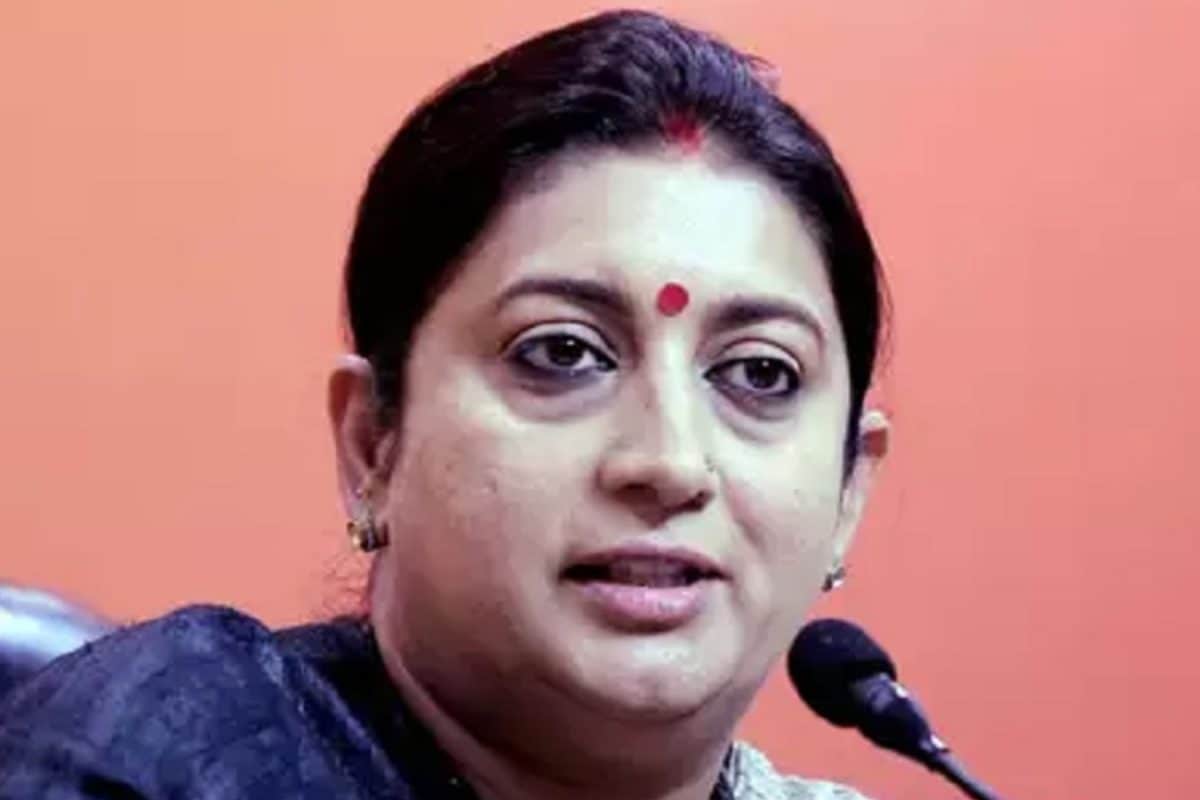
'Right To Dissent, Not Anarchy': Smriti Irani Says Govt Responded With Action On NEET Protests Published By Last Updated: August 02, 2026, 09:20 IST BJP leader Smriti Irani has defended the response of the Centre to the Students' protest over paper leaks. She also reminded students that they have the right dissent, not anarchy. Rapid Read Senior BJP leader Smriti Irani defended the response of the government to the students' protest against paper leaks. (Representational image) Senior Bharatiya Janata Party (BJP) leader and former Union Education Minister Smriti Irani has pushed back against claims that the NEET paper leak protests signalled a growing rift between Gen Z and the Narendra Modi government, arguing instead that the Centre acted promptly and decisively. Speaking in an interview with India Today, Irani said the government addressed the issue through legislation, outreach and direct communication from the Prime Minister, underscoring its responsiveness to student concerns. Govt Response, Outreach Highlighted Irani rejected the suggestion that the protests reflected a disconnect with young people, pointing to the passage of the anti-paper leak law and Prime Minister Narendra Modi’s outreach to students via social media as evidence of engagement.
“It is a great insult to Parliament when you say the issue has merely been papered over," she said during the interview. She also stressed that the government had taken concrete steps, including forming a task force, passing legislation and communicating directly with students. She also criticised sections of the media for focusing heavily on protests at Delhi’s Jantar Mantar while overlooking similar demonstrations in other states such as Jharkhand. Addressing concerns about the effectiveness of past reform efforts, Irani said the new law “speaks for itself" and noted that issues related to examination integrity predated the current government. Recalling her tenure as Education Minister, she highlighted the extensive consultations behind the Education Policy, involving over 2.25 lakh village education councils, along with inputs from district officials, state ministers, parent-teacher bodies and student groups. She further defended the composition of the newly formed task force on exam reforms, saying it reflected the Prime Minister’s intent to include experts across ideological and political lines. ‘Right To Dissent, Not Anarchy’ Irani also backed the police response to the protests, asserting that while dissent is a constitutional right, violence against security personnel is unacceptable.
 The BriefWire