Quote of the day by Martin Luther King Jr.: "Darkness cannot drive out darkness; only light can do that. Hate cannot drive out hate; only..."
Quote of the day by Martin Luther King Jr. "Darkness cannot drive out darkness; only light can do that. Hate cannot drive out hate; only
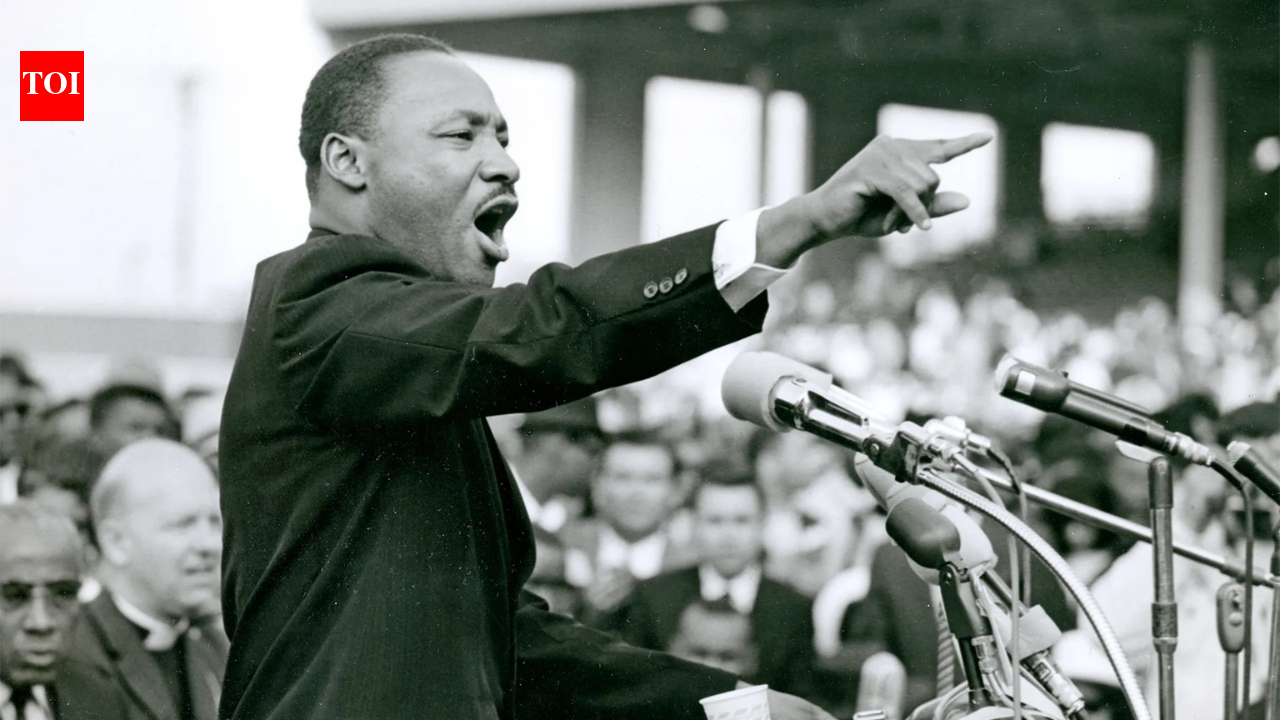
Quote of the day by Martin Luther King Jr. "Darkness cannot drive out darkness; only light can do that. Hate cannot drive out hate; only love can do that." What is the meaning behind the quote? The historical context behind the quote Why the quote remains relevant today Lessons readers can apply in everyday life Martin Luther King Jr.'s enduring legacy Few quotes have stood the test of time as powerfully as Martin Luther King Jr.'s words: "Darkness cannot drive out darkness; only light can do that. Hate cannot drive out hate; only love can do that. " Spoken during one of the most turbulent periods in American history, the quote continues to resonate across cultures and generations. It reflects King's unwavering belief that compassion, understanding and nonviolence are stronger forces than anger and revenge. Whether applied to personal relationships, social conflicts or global challenges, the message encourages people to rise above hostility rather than mirror it. Decades after it was first shared, the quote remains a reminder that lasting peace and meaningful change begin with the choices individuals make every day.This quote is among the most recognised statements by Martin Luther King Jr. It captures the philosophy that defined his leadership during the American Civil Rights Movement.
Rather than responding to injustice with violence or hatred, King believed that courage, empathy and nonviolent action had the power to transform societies.The message is simple yet profound, suggesting that destructive emotions cannot eliminate more destruction. Instead, positive values such as love, compassion and justice are the only forces capable of breaking cycles of conflict.At its heart, the quote teaches that responding to negativity with more negativity only strengthens the problem. If someone reacts to hatred with hatred, the result is often greater division and resentment. King argued that real progress comes when individuals choose understanding instead of revenge and dialogue instead of violence.The symbolism of "darkness" and "light" extends beyond literal meanings. Darkness represents ignorance, fear, prejudice and cruelty, while light symbolises hope, truth, kindness and wisdom. Likewise, hate stands for bitterness and hostility, whereas love reflects empathy, forgiveness and respect for human dignity. By contrasting these ideas, King reminds readers that constructive actions are far more effective than destructive ones.Martin Luther King Jr. delivered this message during the height of the Civil Rights Movement, when racial segregation and discrimination were deeply entrenched in the United States. African Americans faced widespread inequality, and peaceful demonstrators were often met with violence, arrests and intimidation.Despite these circumstances, King consistently advocated nonviolent resistance, drawing inspiration from Mahatma Gandhi's philosophy of peaceful protest.
 The BriefWire