As Australia Defends Social Media Ban For Minors, Question Arises: Do Bans Actually Work?
As Australia Defends Social Media Ban For Minors, Question Arises: Do Bans Actually Work? Published By, Last Updated: August 01, 2026, 12:15 IST Australia’s under-16
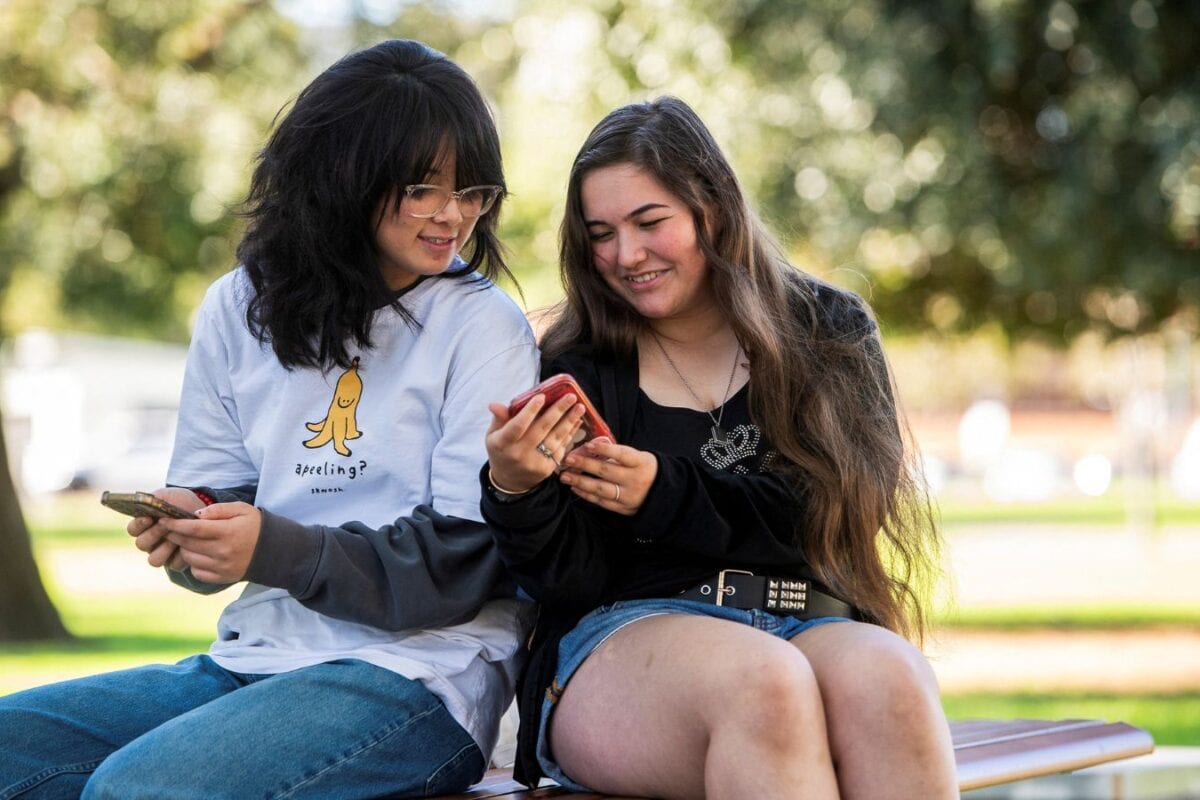
As Australia Defends Social Media Ban For Minors, Question Arises: Do Bans Actually Work? Published By, Last Updated: August 01, 2026, 12:15 IST Australia’s under-16 social media ban faces hurdles as most teens still use it. Experts say bans succeed when applied widely, paired with alternatives, and framed positively. Rapid Read Australia has defended the ban on social media for under 16 people. (Image source: Reuters) Australia’s government on Saturday defended its first-of-its-kind ban on social media for children under 16, even as new data highlighted the scale of the challenge in enforcing the rule. The response came after the country’s internet regulator found that more than 80% of teenagers were still using social media three months after the curbs took effect, Reuters found. The findings underline how hard it is to regulate behaviour in a digital ecosystem embedded in daily life. “We never expected that this would have 100% compliance. We don’t get 100% compliance out of minimum drinking age laws, but it’s still appropriate that we have that law on the books," said Andrew Leigh, Assistant Minister for Productivity, Competition, Charities and Treasury.
Limits Of Bans In Public Policy Bans are often used to prevent harm, but their success varies. Governments deploy them in different forms: some are blanket restrictions, while others aim to discourage certain behaviours. Australia’s gun control laws, for instance, reduced gun ownership after the Port Arthur Massacre. The country did not record a mass shooting for over two decades after a national buyback scheme. Similarly, plain packaging for tobacco, introduced first in Australia, helped reduce smoking rates, with one study attributing 25% of the decline to the policy. Most such policies aim to change behaviour. A key question is whether the focus should be on individuals or entire populations. Public health offers a useful lens: treating high-risk individuals differs from addressing broader social conditions that drive harm. Policies that focus only on personal responsibility often miss systemic factors, according to an essay written by Kate Harrison Brennan, Director of Sydney Policy Lab at the University of Sydney, Jaime Miranda, Professor and Head of the Sydney School of Public Health, Faculty of Medicine and Health, University of Sydney.
A community-wide salt reduction initiative in Peru illustrates this. Instead of asking individuals to change habits, researchers replaced regular salt with a lower-sodium alternative across households, markets, and eateries. This population-level shift reduced blood pressure and lowered new cases of hypertension. Social media presents a similar challenge. It is deeply integrated into everyday life, making voluntary restraint difficult. Restricting access for those under 16 is, therefore, an attempt to intervene at the population level. Need For Alternatives And Framing Experts argue that bans work better when viable alternatives exist. The Peru project succeeded because it replaced salt rather than eliminating it. Likewise, plastic bag bans were paired with paper or biodegradable options, and non-alcoholic drinks support those cutting down on alcohol. The social media ban faces this test. If the goal is healthier social interaction, alternatives, such as accessible after-school activities, must fill the gap. How a policy is framed also matters. Measures seen as “prohibition" can trigger resistance, while those framed as improving well-being gain wider support.
 The BriefWire