High-Speed Drifting SpaceX Rocket To Collide With Moon: All You Need To Know
High-Speed Drifting SpaceX Rocket To Collide With Moon: All You Need To Know Published By, Last Updated: August 01, 2026, 08:07 IST Space tracking analyst
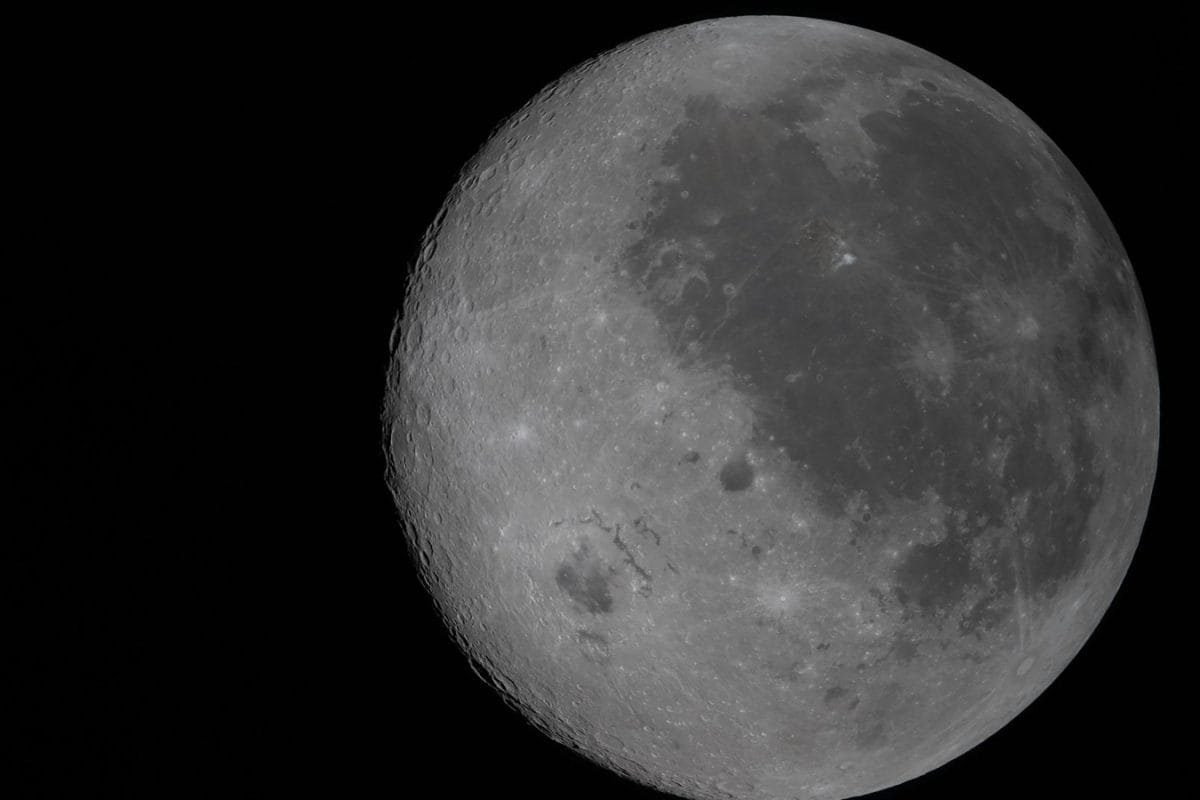
High-Speed Drifting SpaceX Rocket To Collide With Moon: All You Need To Know Published By, Last Updated: August 01, 2026, 08:07 IST Space tracking analyst Bill Gray estimates the rocket will strike the moon at around 5,400 mph (8,700 kph), roughly seven times the speed of sound. Rapid Read Image released by NASA shows a fully illuminated view of the Moon, including the Orientale basin and parts of the far side not visible from Earth. A drifting SpaceX rocket stage is expected to crash into the moon on Wednesday after spending more than a year drifting through space following the launch of two lunar landers. The impact is not planned and will leave a crater on the lunar surface while throwing up dust and debris. Scientists and amateur astronomers are closely watching the event, hoping to study its effects. Space tracking analyst Bill Gray estimates the rocket will strike the moon at around 5,400 mph (8,700 kph), roughly seven times the speed of sound. The collision is projected to occur near Einstein Crater on the moon’s sunlit western edge. Observers in eastern parts of the United States and Canada, along with much of South America, are expected to have the best chance of viewing the aftermath. Although researchers are not alarmed by this particular impact, they say it draws attention to the increasing amount of debris in space.
“Things are getting crowded up there," said Gray, who plans to view the aftermath from New Brunswick, Canada. Experts noted that the crash was never part of SpaceX’s plans. According to them, the upper stage could have been directed into an orbit around the sun, preventing a lunar collision. The incident will mark only the second known case of a defunct rocket accidentally striking the moon. In 2022, a Chinese rocket fragment created two craters on the moon’s far side. Scientists consider themselves fortunate that this collision will occur on the moon’s Earth-facing side. The impact is expected to release energy comparable to three tons of TNT. Experts believe the flash generated by the collision will last less than a second and may be too faint to detect. However, the plume of material thrown into space could extend several kilometres and remain visible through telescopes for several minutes. “The gravity on the moon is low, and there is no wind to blow the dust away," said Los Alamos Laboratory’s Benjamin Fernando, who’s encouraging observations by professionals and amateurs alike. “Part of the reason for our interest in this event is to figure out how much of a hazard debris impacts pose to future astronauts," he added in an email. Fernando estimates the impact will create a crater about 90 feet wide and 16 feet deep (27 meters across and 5 meters deep).
 The BriefWire