'Not Morocco, please': The human stories behind Spain's migrant crisis
Human stories behind the Spanish migrant crisis Spain faced a crisis as thousands of exhausted migrants from Morocco found their way onto Spanish soil barefoot
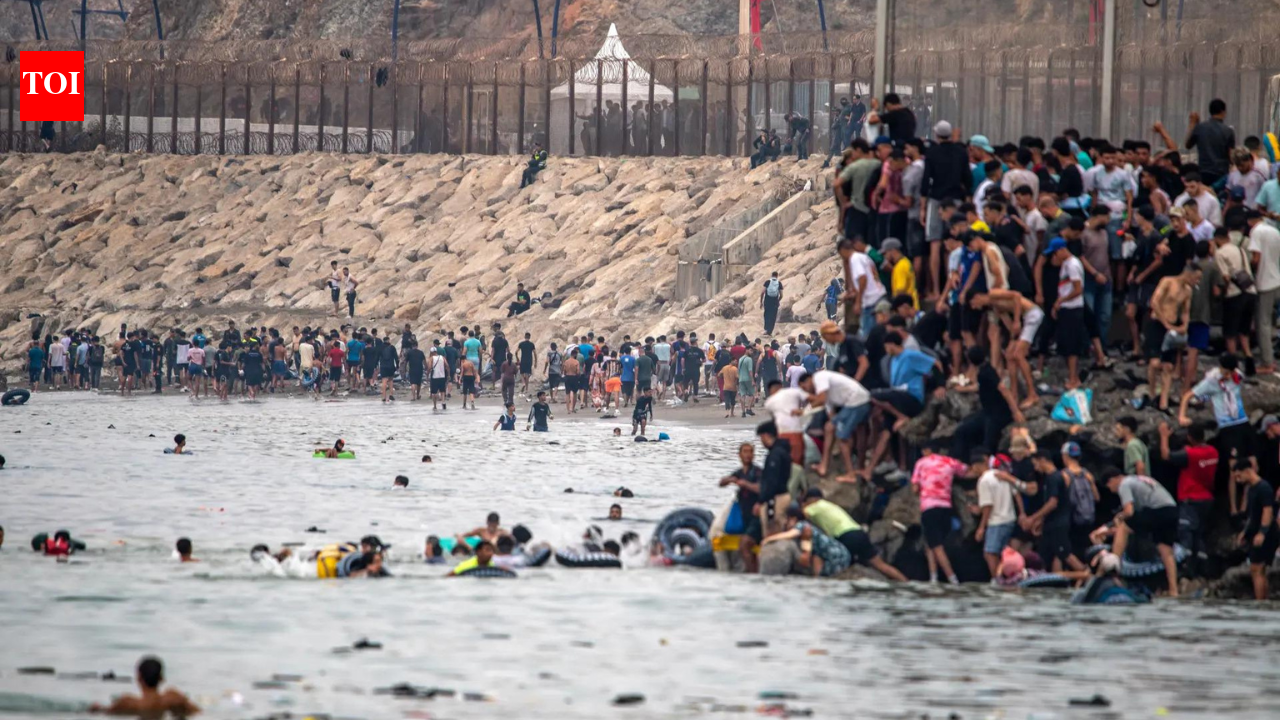
Human stories behind the Spanish migrant crisis Spain faced a crisis as thousands of exhausted migrants from Morocco found their way onto Spanish soil barefoot, drenched and clutching waterproof pouches containing their mobile phones.The unprecedented influx into the Spanish enclave of Ceuta transformed the city of 84,000 residents within hours, with parks turning into makeshift sleeping grounds, beaches filling and authorities struggling to cope with one of the largest border crossings in the enclave's history, according to Spanish newspaper El País.Many of those crossing had spent hours swimming around the border breakwater or drifting on inflatable inner tubes under the cover of darkness. As they reached shore, some embraced the ground, kissed the ground and called their families to say they had survived the journey."Work, work.
No father, no mother," several migrants told Spanish Civil Guard officers, describing why they had risked the crossing, El País reported.One of them was 12-year-old Hamsa Sliman, who hugged friends after reaching Tarajal Beach before calling his father, who had no idea his son had attempted the dangerous journey.Another, 16-year-old Hadiya, told her mother she was only stepping out for a walk before spending three hours paddling across the sea with an inner tube. She said she hopes to continue playing football in Spain.According to El País, many migrants panicked at the sight of uniformed officers, fearing immediate deportation. Civil Guard personnel repeatedly reassured them they would not be sent back to Morocco, while volunteers distributed water, sandwiches and helped translate for exhausted arrivals.Spanish authorities said nearly 49,000 migrants entered Ceuta in just over 24 hours, making it one of the largest sudden border crossings the enclave has witnessed.
By Friday, more than 37,500 migrants had voluntarily returned to Morocco, while thousands remained in the city awaiting processing. The humanitarian toll also worsened, with the confirmed death toll rising to 43 after more bodies were recovered from the sea.Spanish Prime Minister Pedro Sánchez travelled to Ceuta on Friday, blaming criminal smuggling networks for exploiting false rumours about Spain's migration policies to encourage the mass crossing. Spain has since deployed additional security forces and the military to support the Civil Guard and restore order in the enclave.El País reported that many of those arriving said they had not crossed because they knew about Spain's recent Supreme Court ruling on sea arrivals. Instead, they spoke of unemployment, poverty and a desperate search for work and a better future in Europe.
 The BriefWire