The Ceuta Story: How A Tiny 7-Square-Mile Territory In North Africa Became Part Of Spain
The Ceuta Story: How A Tiny 7-Square-Mile Territory In North Africa Became Part Of Spain Published By, Last Updated: July 31, 2026, 18:19 IST As
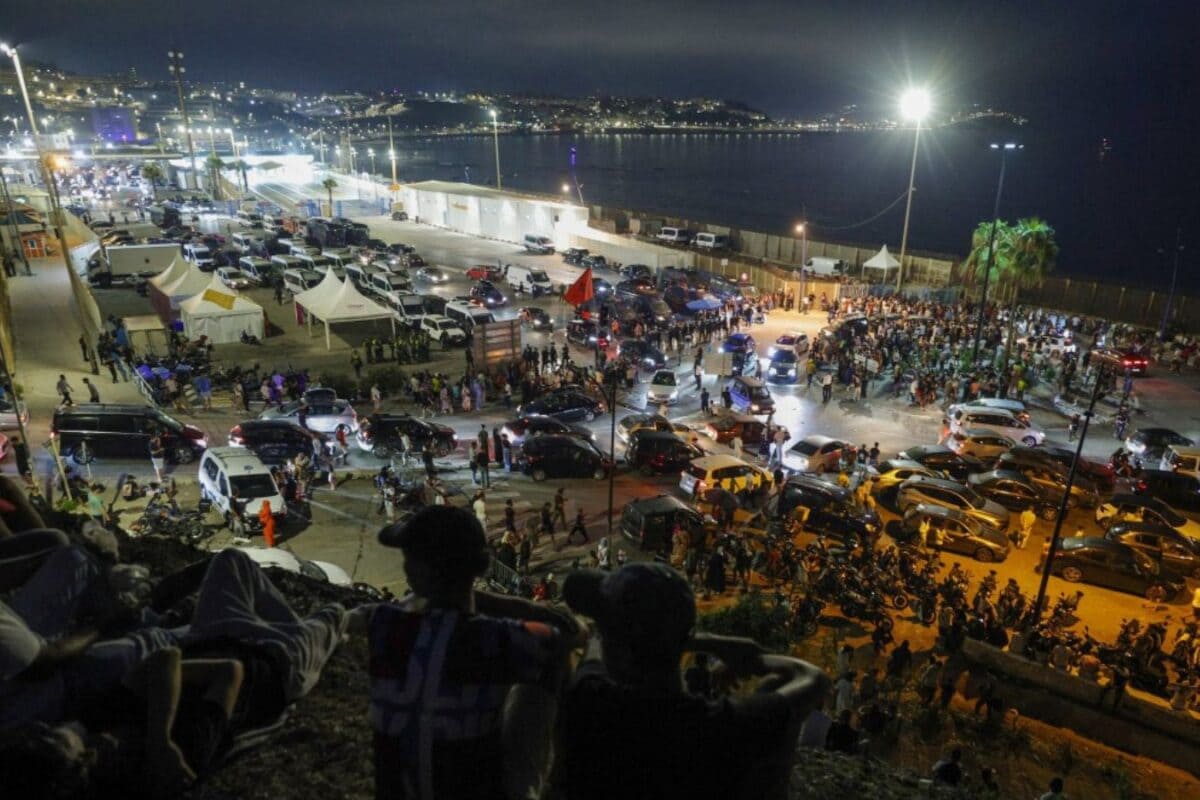
The Ceuta Story: How A Tiny 7-Square-Mile Territory In North Africa Became Part Of Spain Published By, Last Updated: July 31, 2026, 18:19 IST As over 50,000 migrants crossed into Ceuta this week, here's how the tiny 7-square-mile territory on Africa's coast became part of Spain more than 350 years ago. The sudden influx, triggered by rumours that the border had been opened, marks the largest migrant surge into Ceuta since 2021. (Photo: AFP) As more than 50,000 people reportedly crossed from Morocco into Spain’s North African enclave of Ceuta this week, the tiny territory has once again drawn international attention. The sudden influx, triggered by rumours that the border had been opened, marks the largest migrant surge into Ceuta since 2021 and has reignited questions about why a small Spanish city exists on the African continent. Located on the northern coast of Africa, directly across the Strait of Gibraltar from mainland Spain, Ceuta covers just 18 square kilometres (around seven square miles) and is home to about 84,000 people. Despite being surrounded by Morocco, it remains an autonomous city of Spain and part of the European Union. Thousands of migrants have streamed into the tiny Spanish territory of Ceuta in North Africa from Morocco, prompting local officials to call for help from Spain’s national government in Madrid to restore the border.
pic.twitter.com/S2fTWapBzR— The Associated Press (@AP) July 30, 2026 A Strategic Outpost Through History Ceuta’s strategic location at the gateway between the Mediterranean Sea and the Atlantic Ocean has made it a prized territory for centuries. The city was originally settled by the Phoenicians before passing through the hands of Carthaginians, Romans, Vandals and Byzantines. During the Islamic era, it came under the control of various Arab and Berber dynasties and developed into a thriving trading port. For nearly seven centuries, Ceuta remained under Muslim rule and served as an important commercial and military centre in North Africa. How Ceuta Became Spanish The turning point came in 1415 when Portugal captured Ceuta from the Marinid Sultanate. The conquest is widely regarded as the beginning of the Portuguese Empire. Ceuta remained under Portuguese control for more than a century. However, the city’s future changed dramatically during the Iberian Union between 1580 and 1640, when Spain and Portugal were ruled by the same monarch. During this period, Spanish influence in Ceuta increased significantly, with Spanish officials, merchants and soldiers establishing a strong presence in the city. When Portugal revolted against Spanish rule in 1640 and restored its independence, Ceuta took a different path.
 The BriefWire